BA Dance, Context, Choreography
Bachelor of Arts
For all information on application please visit the site of the University of the Arts Berlin.
The Bachelor of Arts Dance, Context, Choreography course offers a practice-oriented education in six semesters. The objective is to develop artistic work in the field of choreographic theory and practice.
The course offers students the opportunity to educate and prepare themselves for an artistic and creative activity in the field of contemporary dance/choreography. The programme is realized in close interaction with practitioners from Berlin’s artistic context and in cooperation with the HZT’s MA courses and international guest teachers.
The curriculum’s core is a structure made up of intensive block seminars taught by local and international artists and theoreticians; this structure is continually accompanied by a team of teachers and the HZT administration.
A strong focus of the course is placed on the students’ own artistic goals in student project work; this emphasis challenges students to find an experimental approach to dance and choreography.
The documentation and discussion of students’ artistic projects in groups is an integral element of the curriculum: preparing, analyzing and documenting material taught in block seminars and rehearsing the respective roles* in creating artistic works. Thus an understanding of artistic work’s multifarious, complex relationships of meaning, politics and social or economic contexts is trained. (*e.g., performer, director, choreographer, dramaturge, producer, critic.)
The course calls for students to work independently on artistic and theoretical projects, to take on responsibility for project work in groups and to cooperate in shaping their curriculum.
The degree course’s objective is to educate artists who can articulate and realize their own ideas and understanding of dance as an art form and to thereby provoke new impulses in this constantly changing artistic environment.
Details study programme
Module 1: Modes of Dance and Training I (12 ECTS)
In the Dance and Training Types module I which takes place during the first two semesters of study, dance forms and types of training are introduced and the foundation for the development of independent training is taught.
The principles of different practice-orientated dance styles and types of training are taught. The recognition and execution of applied movement principles and qualities are foregrounded. Perception as well as analytical methods of observation are trained. The ability to differentiate between movement styles is developed and an overview (in combination with Module 3) of historical and aesthetic contexts is elucidated.
Individual approaches to training are developed and applied in which both the generation and the analysis of movement and training sequences are trained. Fundamental questions of training development are examined through the use of different approaches to improvisation and choreography.
The fundamental ideas of applied anatomy are taught and the students are prepared for the use of their own bodies and those of others in a responsible way.
Module 2: Modes of Dance and Training II (20 ECTS)
Requirement for participation: Successful completion of Module 1.
In the Dance and Training Types module II which takes place from the third to the sixth semester of study, understanding of the field of dance forms and types of training is deepened and the student is guided in the further development of their own training.
The understanding of different practice orientated dance styles and types of training is deepened in which the recognition and execution of applied movement principles and qualities are foregrounded. Perception as well as analytical methods of observation are trained. The ability to differentiate between movement styles is developed and an overview (in combination with Module 3 and 4) of historical and aesthetic contexts is elucidated.
Individual approaches to training are developed and applied in which both the generation and the analysis of movement and training sequences are trained. Fundamental questions of training development are examined through the use of different approaches to improvisation and choreography. The fundamental ideas of applied anatomy are developed and the students are prepared for the use of their own bodies and those of others in a responsible way.
Module 3: Movement Analysis and Theories of the Body I (8 ECTS)
In module 3, which takes place from the first until the third semesters, the foundations of the complex relationships between the body and movement behaviour is introduced. Different methods of movement analysis are introduced and students are exposed to different theories of the body.
Basic anatomical knowledge is taught and the reciprocal relationship between body and metabolism is examined. The foundations of psychomotor effects are learned in order to be able to observe and analyse motion and movement intervention. The problems of body and movement are developed in order to minimise injury and in order to be able to work responsibly with movement in artistic projects.
Different concepts of the body are introduced on the basis of introductory cultural, sociological and philosophical positions. Basic theories of the body are taught in order to be able to understand and contextualise movement processes and body practices.
Module 4: Movement Analysis and Theories of the Body II (7 ECTS)
Requirement for participation: Successful completion of module 3.
In the Movement Analysis II module, which takes place from the fourth until the fifth semester, a deeper understanding of the complex relationships between body and movement behaviour is taught. Training in methods of movement analysis and theories of the body continue.
Basic anatomical knowledge is taught and the reciprocal relationship between body and metabolism is examined. The foundations of psychomotor effects are learned in order to be able to observe and analyse motion and movement intervention. The problems of body and movement are developed in order to minimize injury and in order to be able to work responsibly with movement in artistic projects.
Different concepts of the body are introduced on the basis of introductory cultural, sociological and philosophical positions. Building on module 3, theories of the body are taught in order to be able to understand and contextualise movement processes and body practices.
Module 5: Other Art Disciplines / Art Theory I (10 ECTS)
Module 5, which takes place during the first two semesters, is concerned with introducing forms and structures of the contextualisation of dance and choreography in other media, in theories of art and aesthetics and curatorial as well as dramaturgical fields.
In this module, collaborative ways of working with different media are introduced and compared to the reciprocal relationship of dance to other art forms and practices. How certain media and disciplines complement one another is explored instructively.
The students are introduced to the diverse currents of modern art theory and art history. Dance and performance art are historically contextualized and artistic concepts and ideas are studied with examples of processes and developments of mutual construction and acquisition.
The basis of curatorial strategies in the field of dance dramaturgy in relation to cultural politics is introduced. Curatorial questions are worked through in terms of their cultural political, market strategic, economic and aesthetic principles. Dramaturgical and curatorial work practices and trends in the performing and visual arts are compared.
Module 6: Other Art Disciplines / Art Theory II (13 ECTS)
Requirement for participation: Successful completion of module 5.
Module 6, which takes place between the third and fifth semester, examines forms and structures of the contextualisation of dance and choreography in other media, in theories of art and aesthetics and curatorial as well as dramaturgical fields in more depth.
Collaborative ways of working with different media are further developed and compared to the reciprocal relationship of dance to other art forms and practices. The approaches of different media and disciplines are further and independantly examined.
The diverse currents of modern art theory are further explored. Dance and performance art are historically contextualized and artistic concepts and ideas are studied by example through processes and developments of mutual construction and acquisition.
Knowledge of curatorial strategies in the field of dance dramaturgy in relation to cultural politics is deepened. Dramaturgical and curatorial work practices and trends in the performing and visual arts are compared and analysed. Cultural-political questions are examined with special emphasis on the role of dance and its place within different cultural scenes.
Module 7: Documentation / Communication (11 ECTS)
The module takes place during the first until the third semester, the forms of pre and post processing of the course is taught. Individual forms of research are discovered and the formulation of criticism and critical analysis is incorporated. Cultural and artistic production methods are examined.
The students get an initital overview of the different forms of documentation and archiving of processes and works in dance and performance art. They learn how to use existing archives and how to document their own artistic work.
Methods of research and information gathering are introduced which can be applied to individual questions and artistic projects.
The students develop methods and contexts in which to articulate the things they see, learn and produce in the course of their studies. How are assessment criteria developed collaboratively for artistic processes and how is a culture of critical debate fostered which is itself continuously assessed and updated?
Knowledge and experience of freelance artistic practice is taught and the structural, legal and financial bases of artistic professional practice is introduced. Alternative projects and working methods are presented which reflect the economic and social conditions of working processes.
Module 8: Choreography / Composition I (15 ECTS)
The module takes place over the second and third semesters.
The goal of this module is to learn to generate movement material in the context of collective artistic projects and to learn about spatial and temporal organisation. To these ends, the theoretical and practical development of different choreographic and compositional processes are foregrounded.
The practical use and theoretical placement of improvisation and composition in real time is investigated and presented parallel to the placement and development of compositional procedures.
Formal and structural compositional elements are taught through the analysis of existing works, working with scores and the exemplary study of contemporary dance and performance repertoires.
Dramaturgical Perspectives are examined in relation to choreographic techniques. How dramaturgical questions are reflected in artistic and compositional processes.
Module 9: Choreography / Composition II (22 ECTS)
Requirement for participation: Successful completion of Module 8.
Building on module 8, the objective is to learn and define the generation of movement material in the context of collaborative artistic projects and to be able to organise it structurally and formally. To these ends, a deepened knowledge of different choreographic and improvisational techniques are foregrounded.
The practical use and theoretical placement of improvisation and composition in real time is investigated in more depth and presented in parallel to the placement and further development of compositional procedures.
Formal and structural compositional elements are taught through the analysis of existing works, working with scores and the exemplary study of contemporary dance and performance repertoires.
Dramaturgical Perspectives are examined in relation to choreographic techniques. How dramaturgical questions are reflected in artistic and compositional processes.
Module 10: Project Work I (16 ECTS)
In module 10 which takes place over the first two semesters, the students work independently on their first project sketches and are introduced to project-related working procedures and methods.
The student independently investigates suitable formats for the development, creation and presentation of their artistic or theoretical interests.
The student develops initial forms for post processing, archiving and documentation as well as artistic evaluations of seminars and teaching contents and makes these available to other students.
The students are introduced to working with mentors. The work can be individual or developed with a group of fellow students within which the division of roles is clear.
Module 11: Project Work II (26 ECTS)
Requirement for participation: Successful completion of Module 10.
In this module which takes place over the third to fifth semesters, the student works on independent projects and develops his or her competences in project-related working procedires and methods.
The student examines suitable formats for the development, creation and presentation of their artistic or theoretical interests. They develop their own artistic and/or theoretical positions.
The student presents more developed forms for post processing, archiving and documentation of their own artistic processes and make these available to other students.
The student deepens his or her work with mentors in their projects. The work can be individual or developed with a group of fellow students within which the division of roles is clear.
Module 12: Project Work III (Bachelor assessment) (20 ECTS)
Requirement for participation: Successful completion of Module 10 and 11.
In this module, which takes place during the sixth semester, the students work on independent projects and develop their competences in project- related working procedures and methods.
The student develops suitable formats for the creation and presentation of their artistic or theoretical interests. They formulate their own artistic and/or theoretical positions.
The student presents substantiated formats for post processing (archiving / documentation) which evaluate their studies and evaluate their own artistic processes, making this available to other students.
The student deepens their work with mentors in their projects.
Bachelor work see examination regulations. The work can be individual or developed with a group of fellow students within which the division of roles is clear.
For further information and the application form please go to the study information section on the website of the University of the Arts Berlin.
BA DANCE, CONTEXT, CHOREOGRAPHY AT HZT BERLIN
STARTING OCTOBER 2026 // APPLICATION DEADLINE: December 1, 2025
A time to explore and discover; both individually and in a collaborative surrounding.
We are inviting applications from individuals who are motivated to:
• immerse themselves in a full-time practice-oriented study of six semesters
• create projects in an artistic environment of dance, context and choreography, of theory and practice
• engage in a wide range of physical body practices
• expand their own ideas and understanding of dance as an art form
• practice forms of communication, documentation, presentation and creative response
• investigate ways of nourishing and provoking new impulses and forms within an artistic environment
• be part of a programme conceived in close relation to Berlin's artistic scene, HZT's MA programmes and international guests
• engage in an exchange with other artistic disciplines at the Berlin University of the Arts (UdK) and the Hochschule für Schauspielkunst Ernst Busch (HfS), which share the responsibility for running HZT
• combine the programme’s specific educational input with self-initiated artistic and theoretical projects
Accessibility
If you have any questions about accessibility in the application procedures/study programmes, or would like to share your access rider please contact:
accessibility[at]hzt-berlin.de
HZT Office: +49 (0)30 3185-1400
Documentation BA Courses and Graduate Works


Calendar
Julia Keren Turbahn
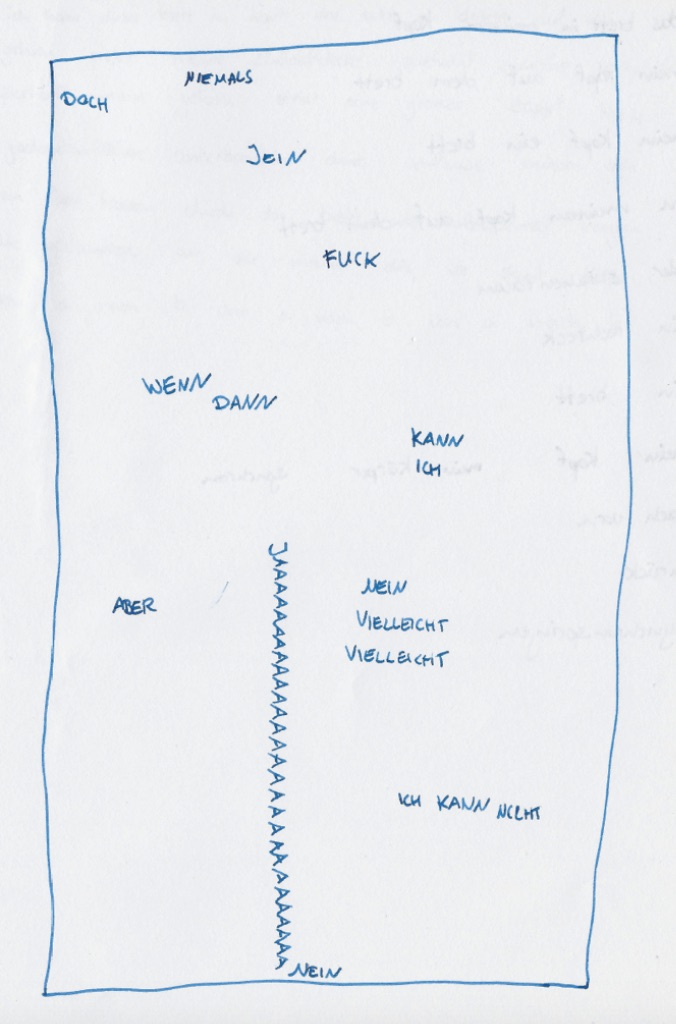
High Diving
 © Julia Keren Turbahn
The "First Works" of BA "Dance, Context, Choreography".
Camilla Lind & Johanne Merke
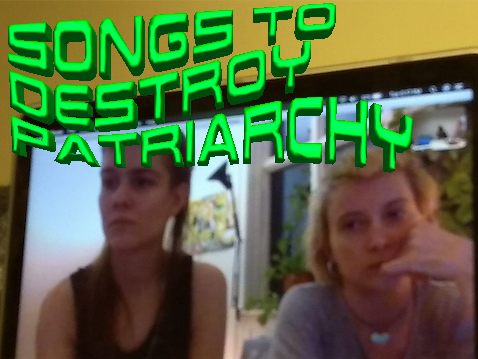
songs to destroy patriarchy
 © Johanne Merke/Camilla Lind
The "First Works" of BA "Dance, Context, Choreography".
Katerina Delakoura
Amphibia
 © Phivos Thanos
The "First Works" of BA "Dance, Context, Choreography".
Sunayana Shetty
easy
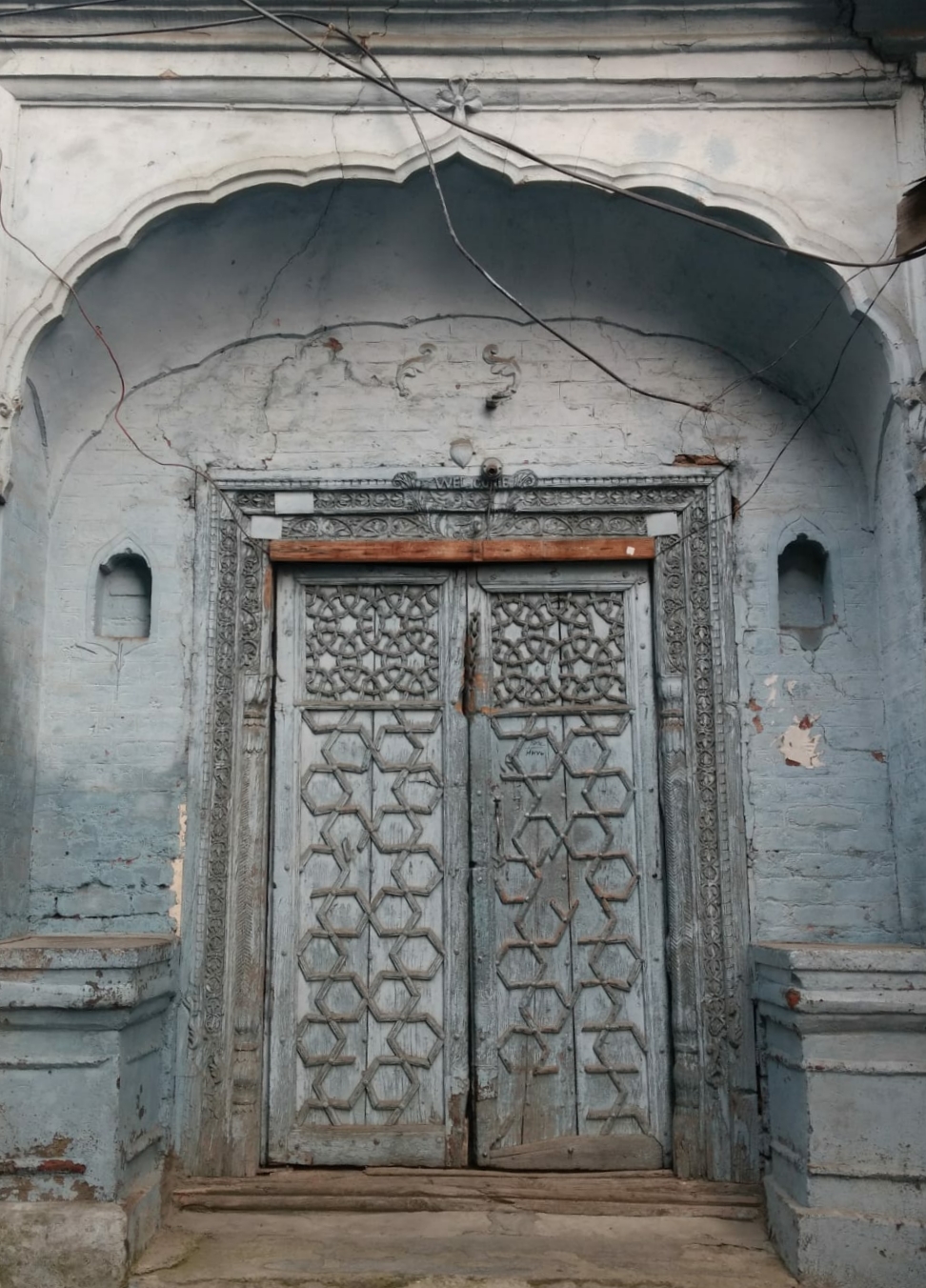 © Aabshaar Wakhloo
The "First Works" of BA "Dance, Context, Choreography."
Aabshaar Wakhloo
This evening’s dance
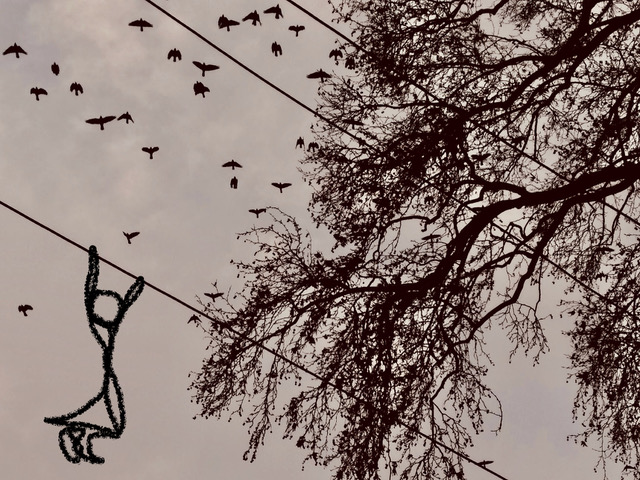 © Aabshaar Wakhloo
The "First Works" of BA "Dance, Context, Choreography".
BA Studio Showing
what else they are instead of
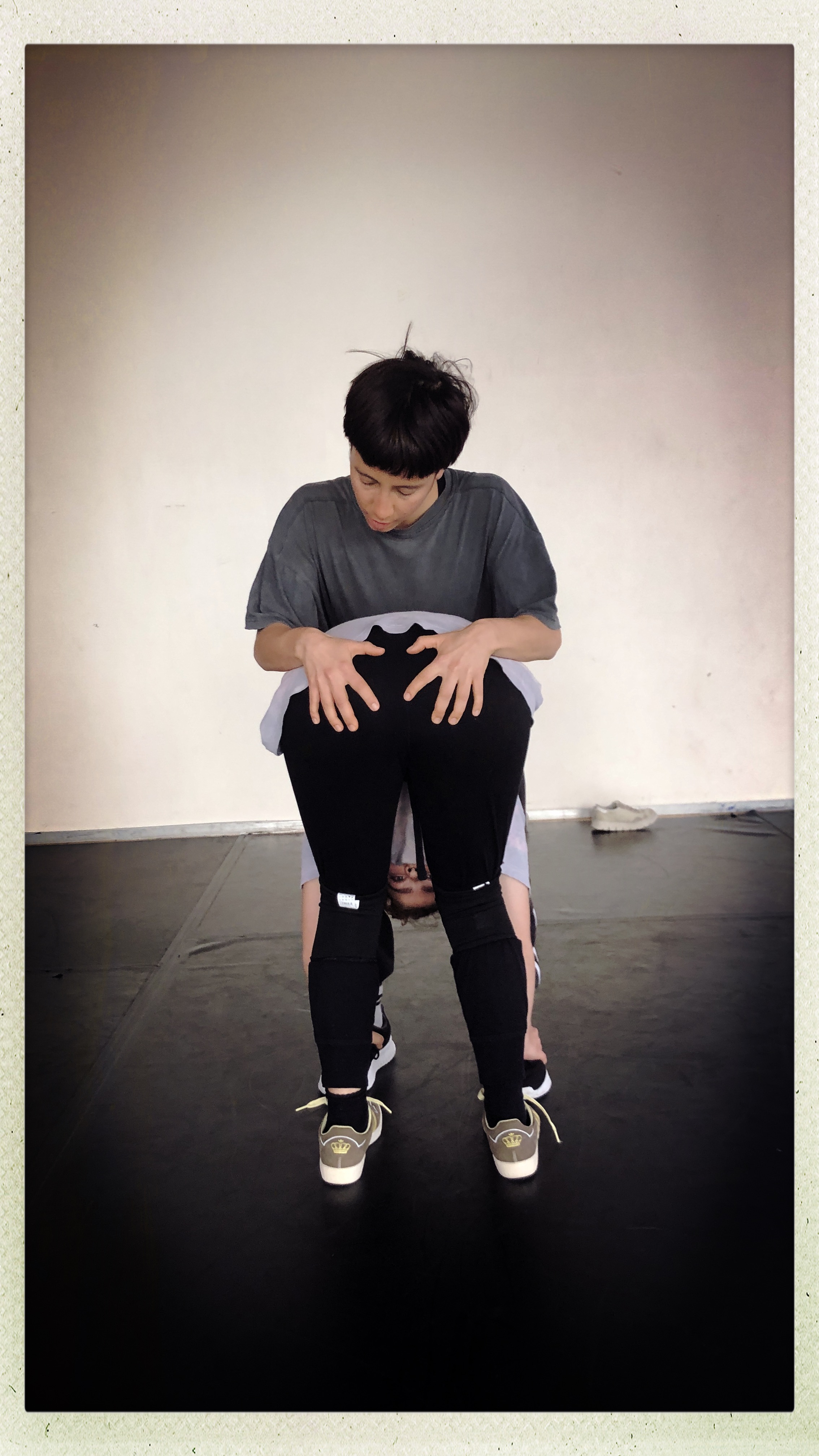 © Jared Gradinger
Angela Schubot & Jared Gradinger with students of the BA Dance, Context, Choreography
LOAF
The Lonely Organized Arts Festival
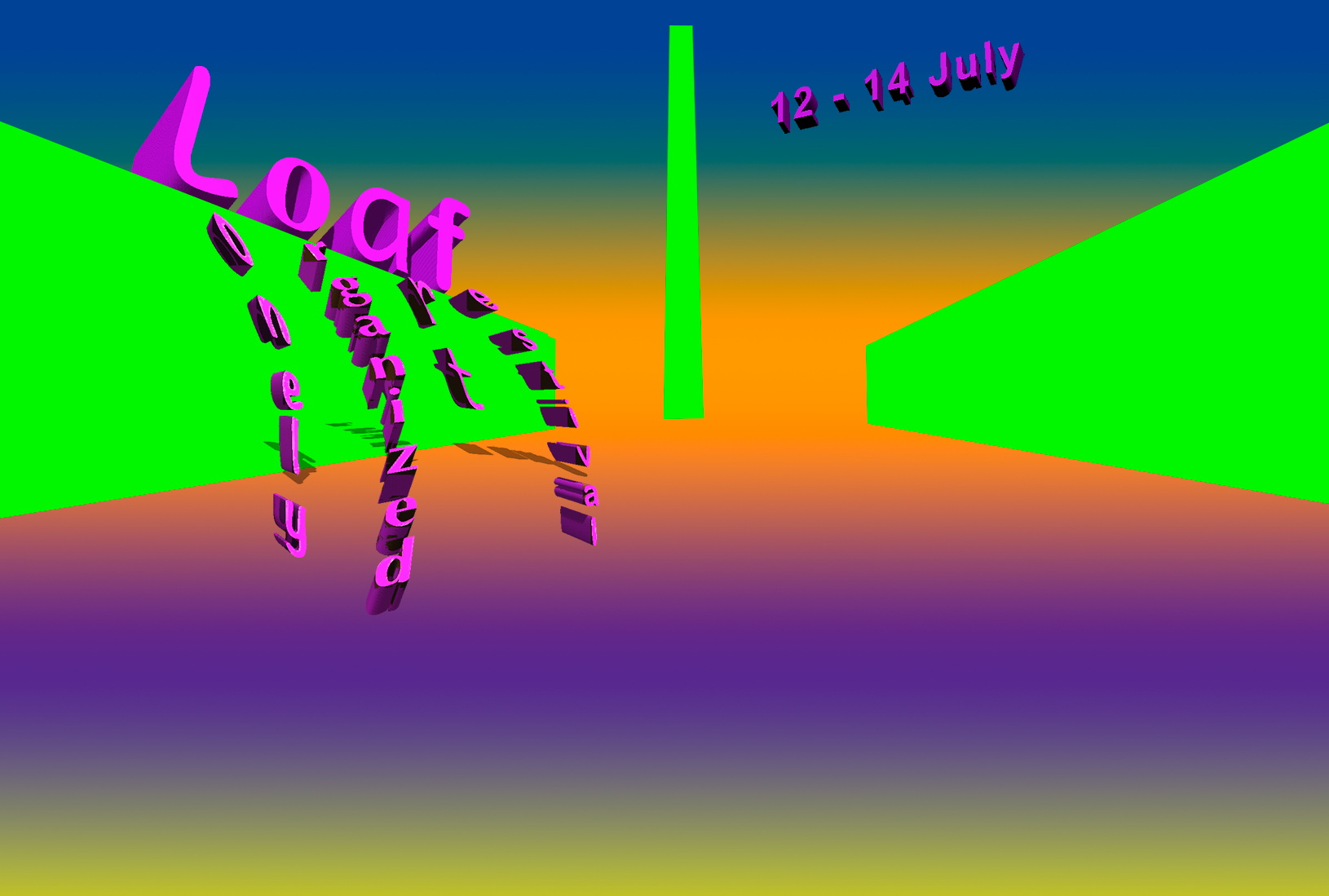 © Camila Malenchini
Curated by the BAs and MAs of HZT
LOAF
The Lonely Organized Arts Festival
© Camila MalenchiniCurated by the BAs and MAs of HZT
LOAF
The Lonely Organized Arts Festival
© Camila MalenchiniCurated by the BAs and MAs of HZT
Call the cocoon cocoon
Nora Fuchs
 © Nora Fuchs
The truth & other stories
Vilja Mihalovsky
 © Benjamin Wild
They say you can't miss something you haven't had.
Call the cocoon cocoon
Nora Fuchs
© Nora FuchsAmateur family dancing in experimental dance piece!
Cajsa Godée
 © Cajsa Godée
 A piece that moves across real realities and virtual realities, layering images and sound together to create a complex four dimensional family portrait. >
Amateur family dancing in experimental dance piece!
Cajsa Godée
© Cajsa Godée A piece that moves across real realities and virtual realities, layering images and sound together to create a complex four dimensional family portrait. >
A child has been beaten
S. Kemppainen & J. Mühle
 © Josefine Mühle
two bodies accompany each other in submission to an insistent and monstrous path.
OPHELIA ON THE READ ISLAND. FEAT. DEVIN LEVIN
Lara Wiesselmann
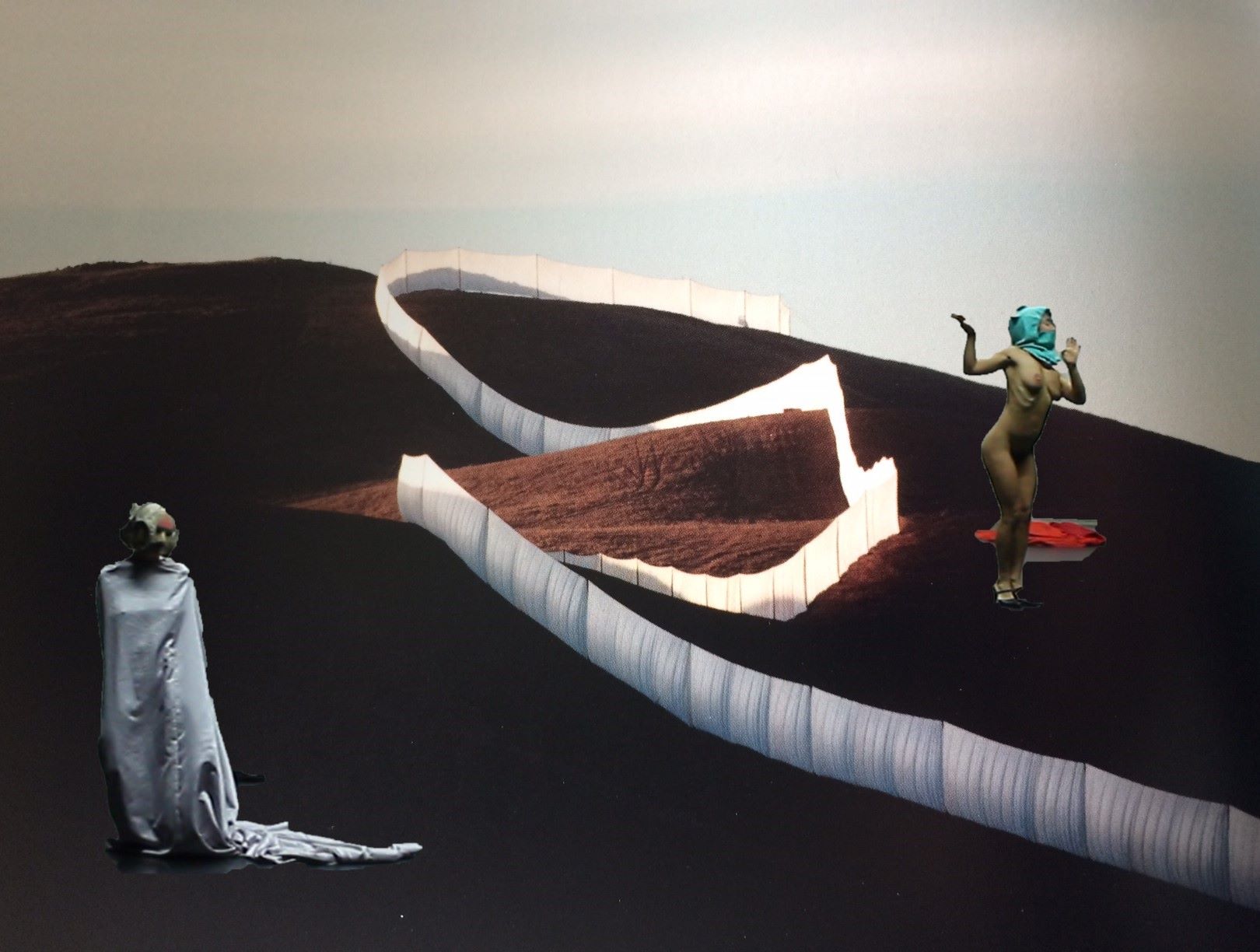 © Lara Anais Martinez Wiesselmann
A cruise trhough a geometrical revenge, rough mountains and two dimensional clouds.
A child has been beaten
S. Kemppainen & J. Mühle
© Josefine Mühletwo bodies accompany each other in submission to an insistent and monstrous path.
ArchIved No. 2
Simone Gisela Weber
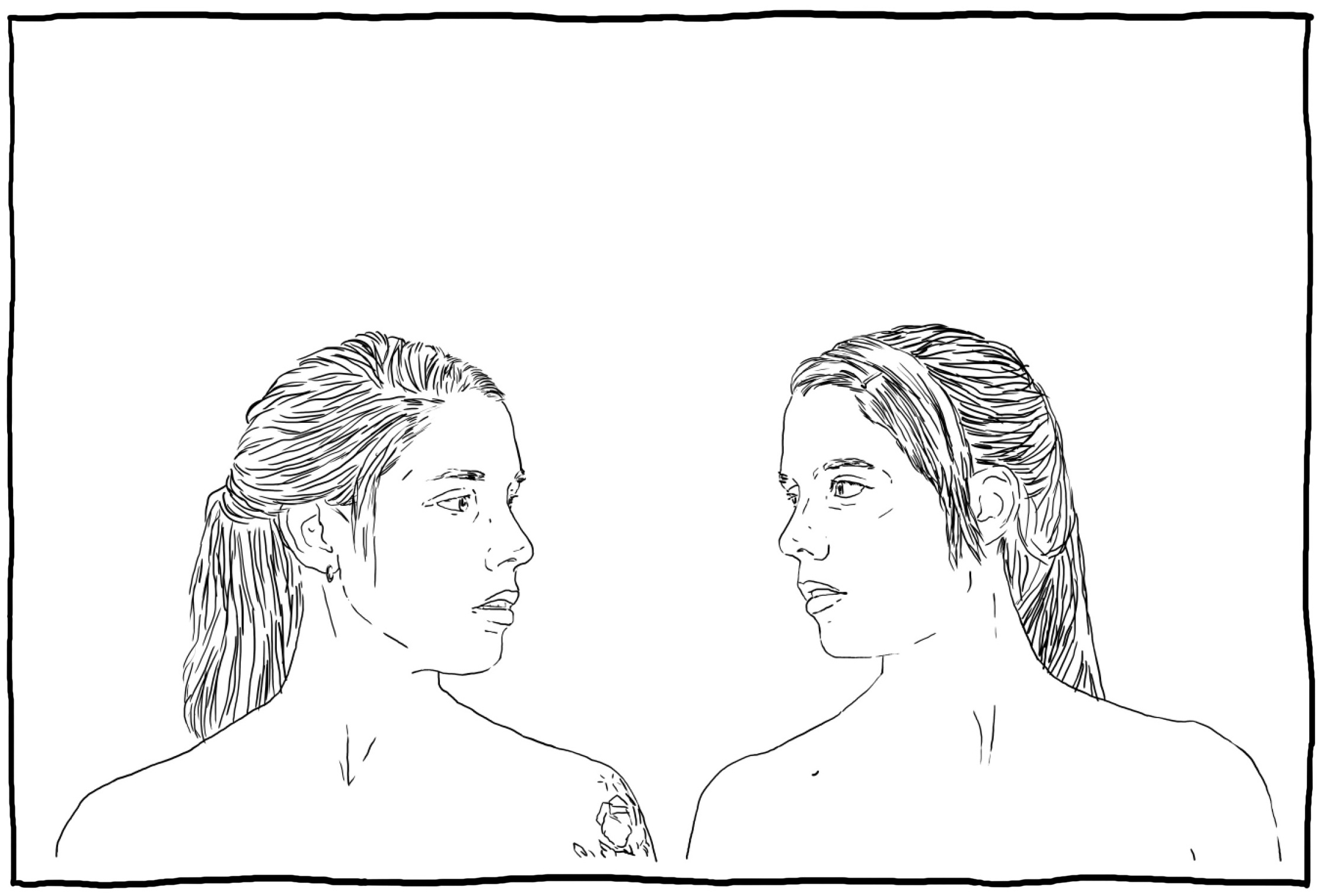 © Simone Gisela Weber
A result of a research that dealt with the ‘evil’ potential of the body
A bee a unicorn
Dorota Michalak
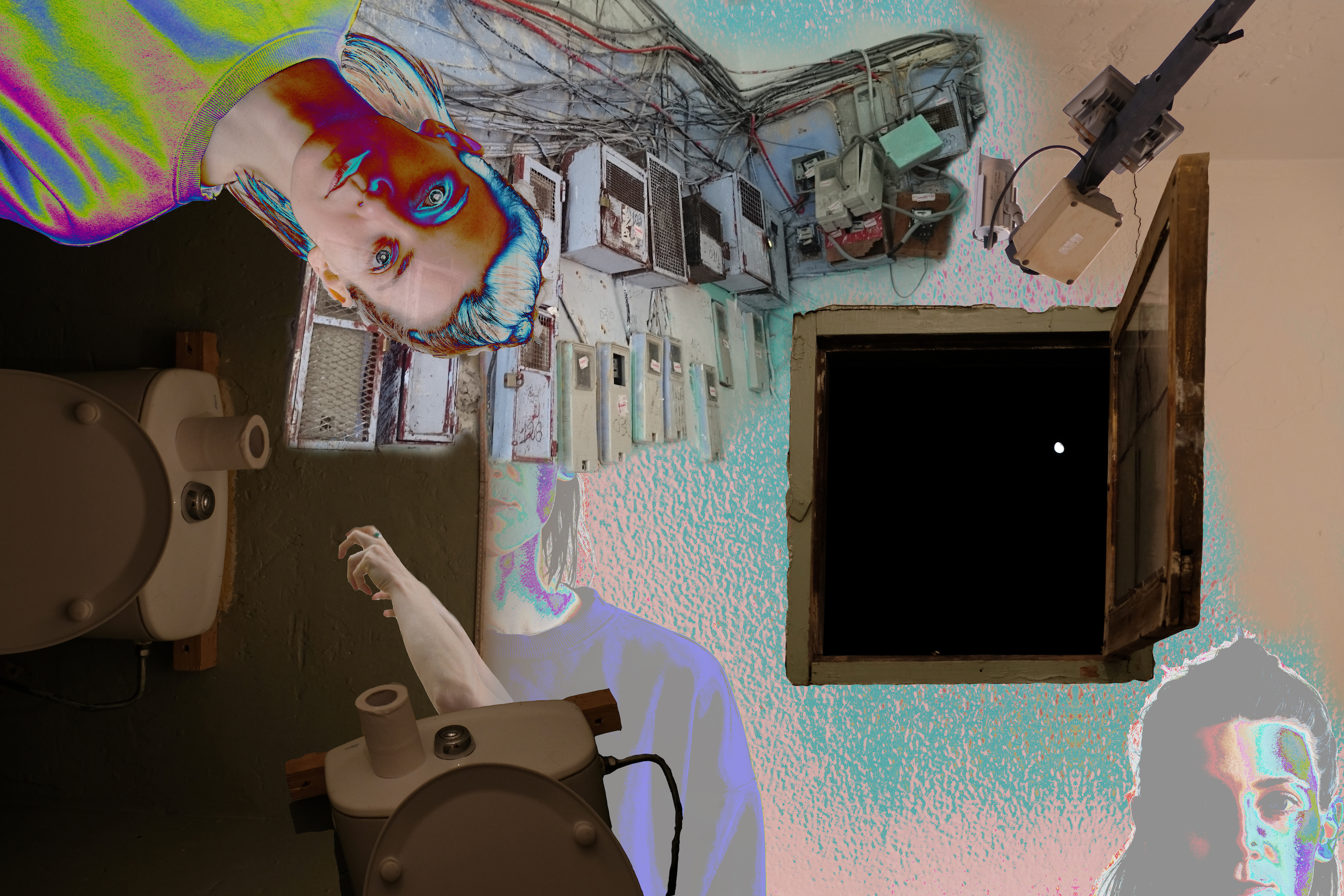 © Dorota Michalak
It is a performative assemblage, a way of being in the space together, keeping us safe, a personal story, a field trip. >
ArchIved No. 2
Simone Gisela Weber
© Simone Gisela WeberA result of a research that dealt with the ‘evil’ potential of the body
BA Lecture - Britta Wirthmüller
to imagine an archive where there is none – A Reading
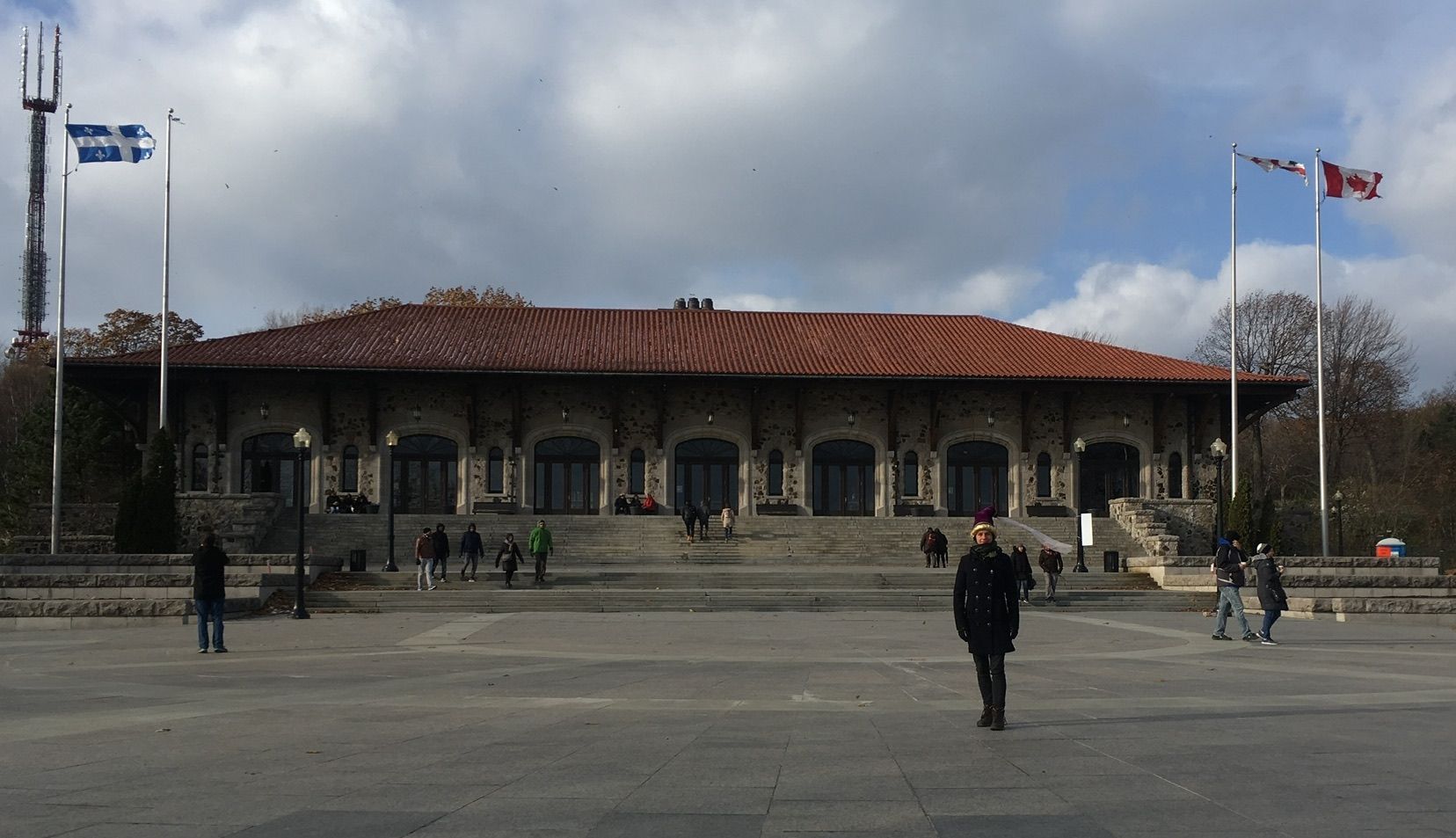 © [Translate to English:] Allison Peacock
Britta Wirthmüller tracing Ruth Abramowitsch Sorel
BA Lecture - Margaret Dragu
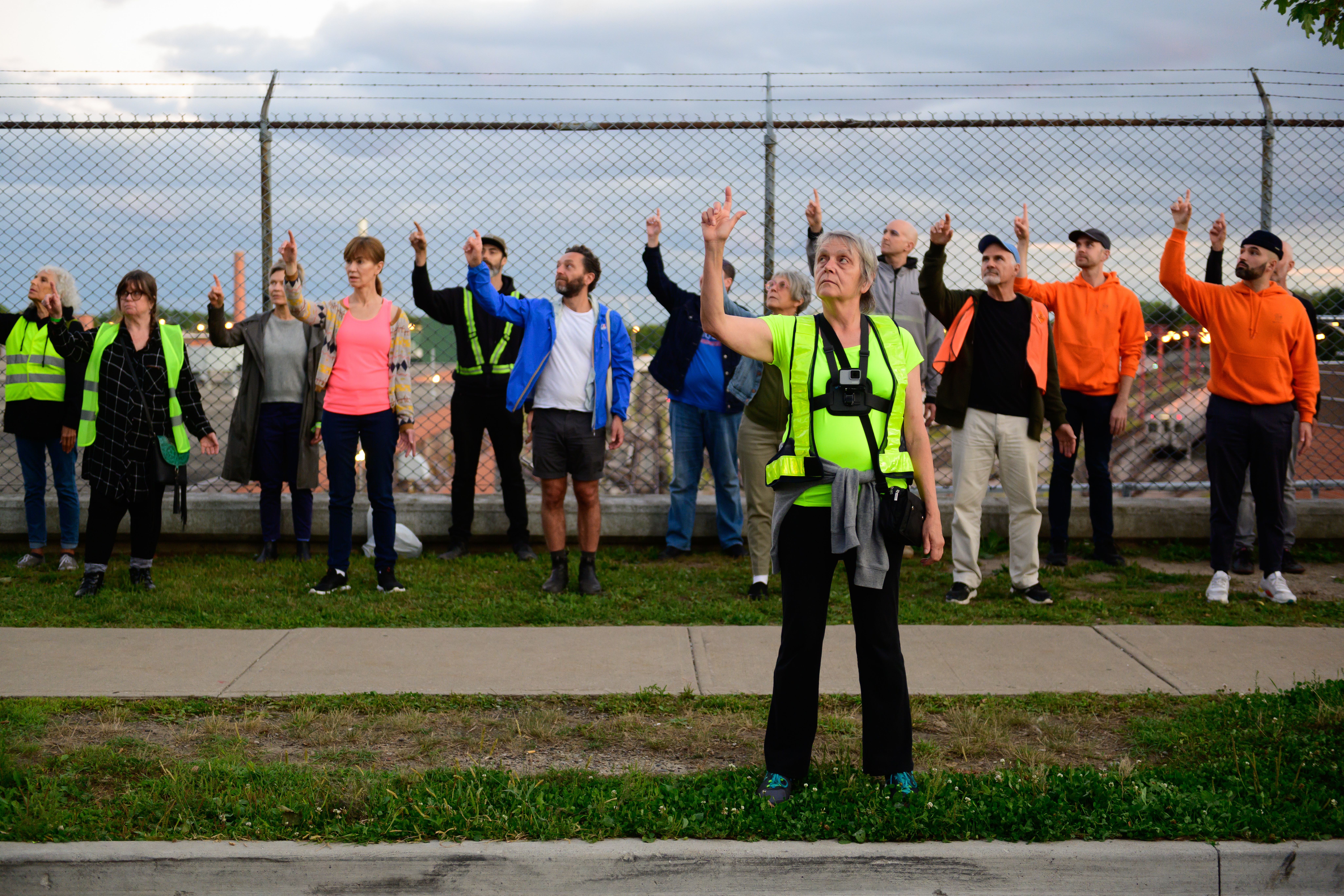
Dr. Dragu explains it all to you
 © Henry Chan
Dr. Dragu shares stories, concepts, theories, notions, opinions, suppositions and conceits from her 48 years of making art. >
X-Mas Edition
Lonely Organized Arts Festival
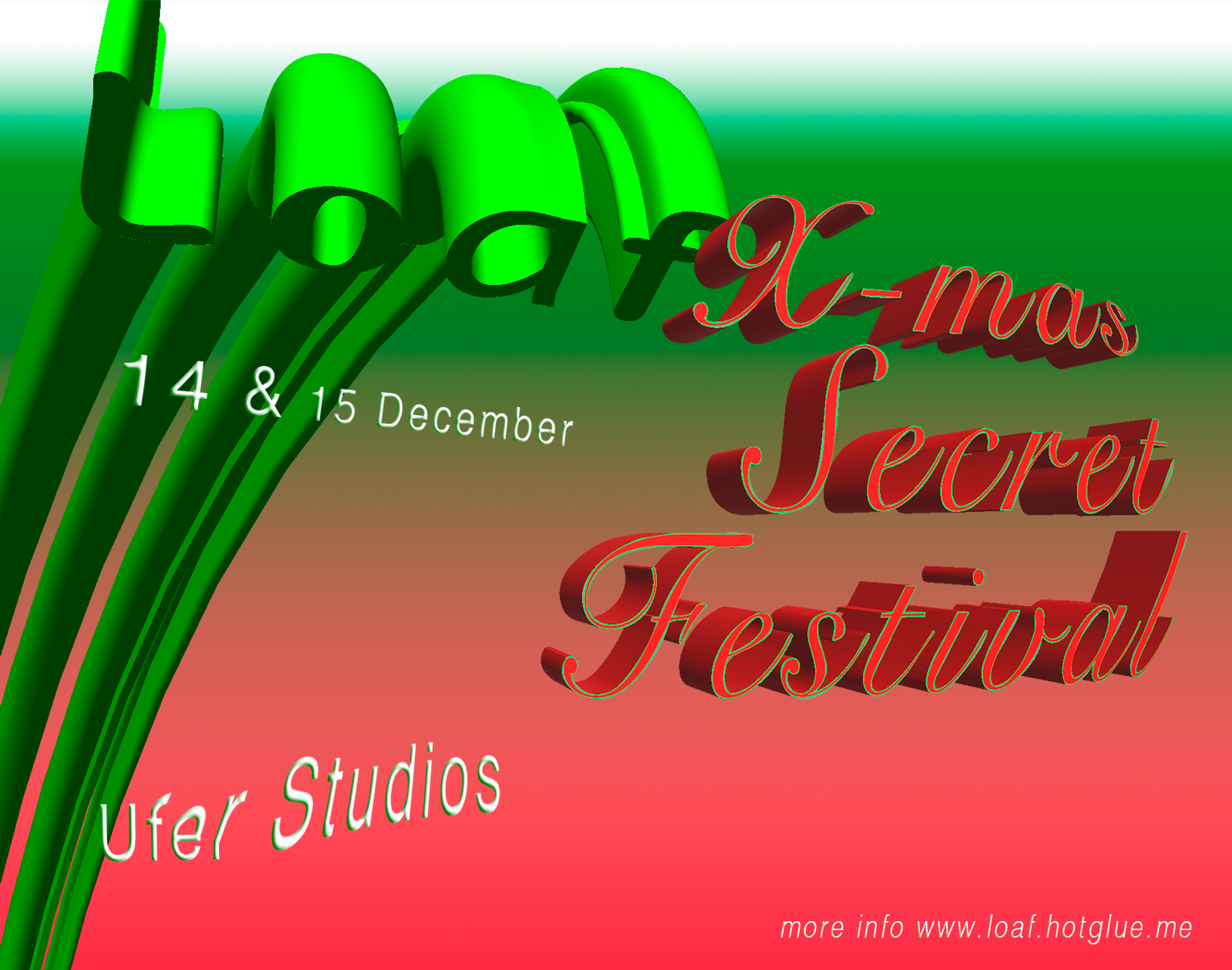
Performances, Glühwein, Exhibitions, Lebkuchen, Kunst, Kaltgetränke, Tanz, Songs & vieles mehr!
X-Mas Edition
Lonely Organized Arts Festival
Performances, Glühwein, Exhibitions, Lebkuchen, Kunst, Kaltgetränke, Tanz, Songs & vieles mehr!
BA lecture with Alice Chauchat
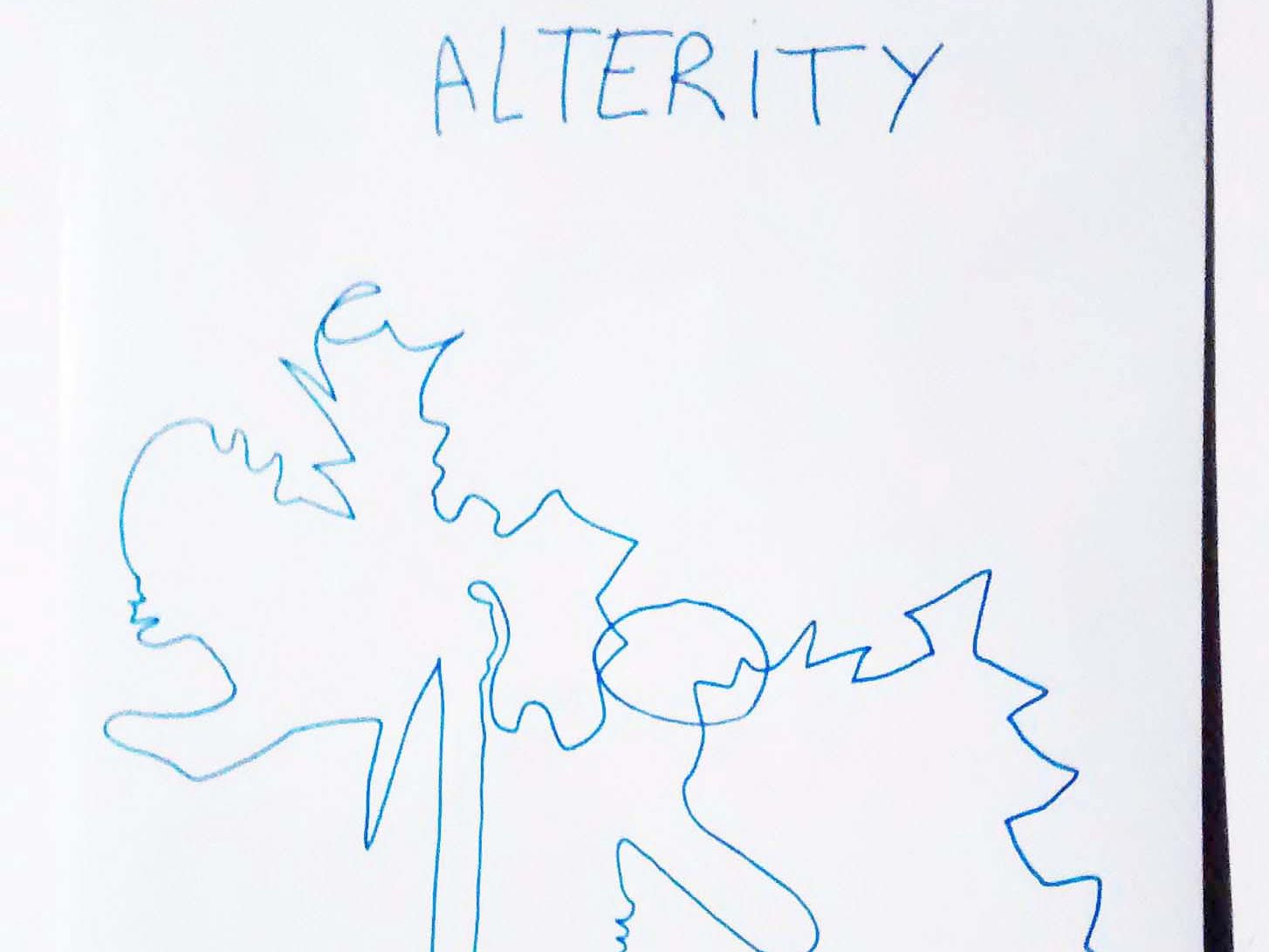
Togethering - A Choreographic Endeavour
 © Alice Chauchat
On dancing as being-with and made-by that which is not one self.
NAH DRAN extended w/ Liisi Hint & Maria Ladopoulos
Beginnings - a braincast
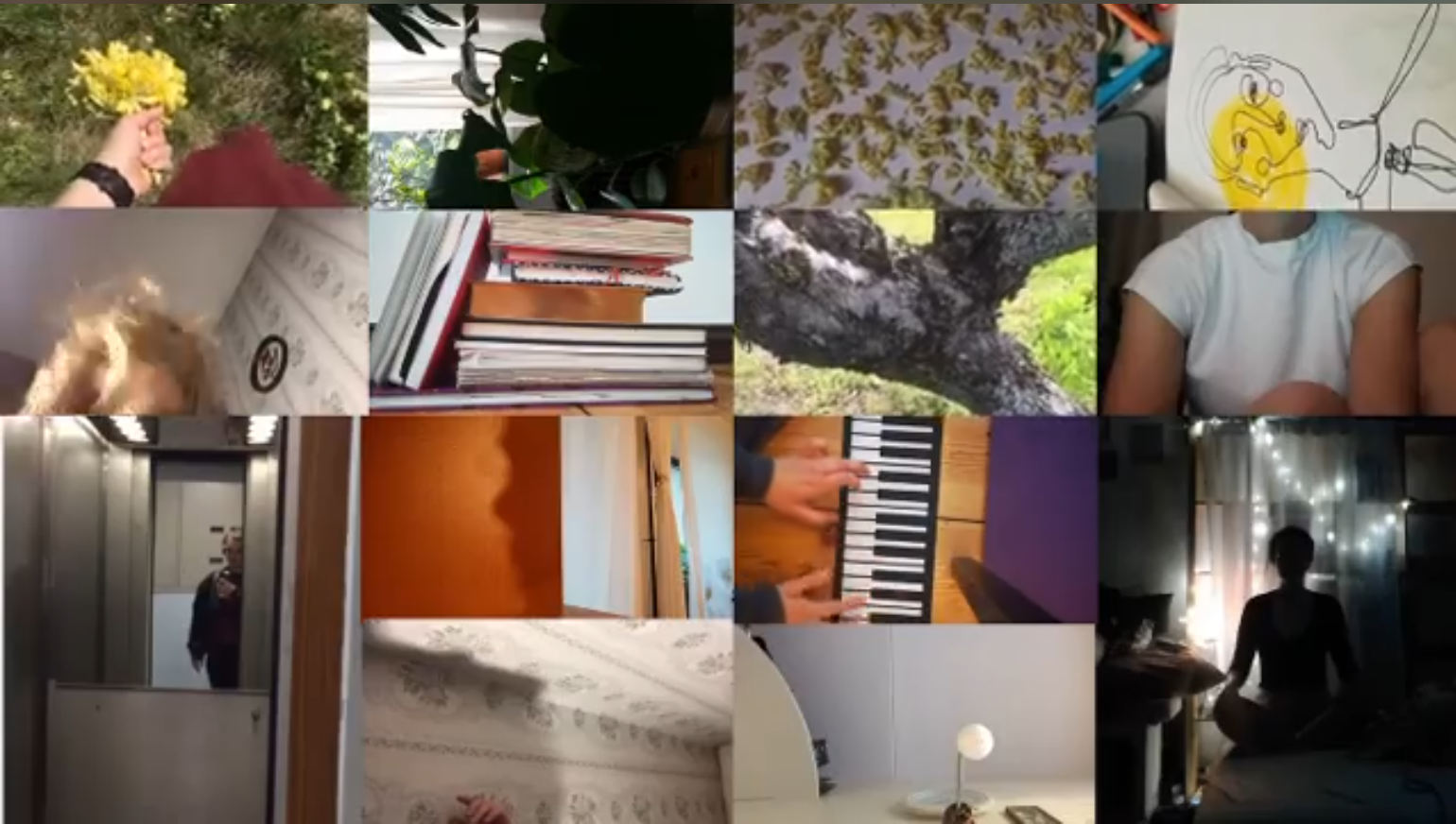
A collection of experiences and associations about beginnings
NAH DRAN extended: beginnings
Knitting and Singing at the Sauna
4 artists, 4 places, 4 tasks
NAH DRAN extended w/ Therese Bendjus & Aleksandra Petrushevska
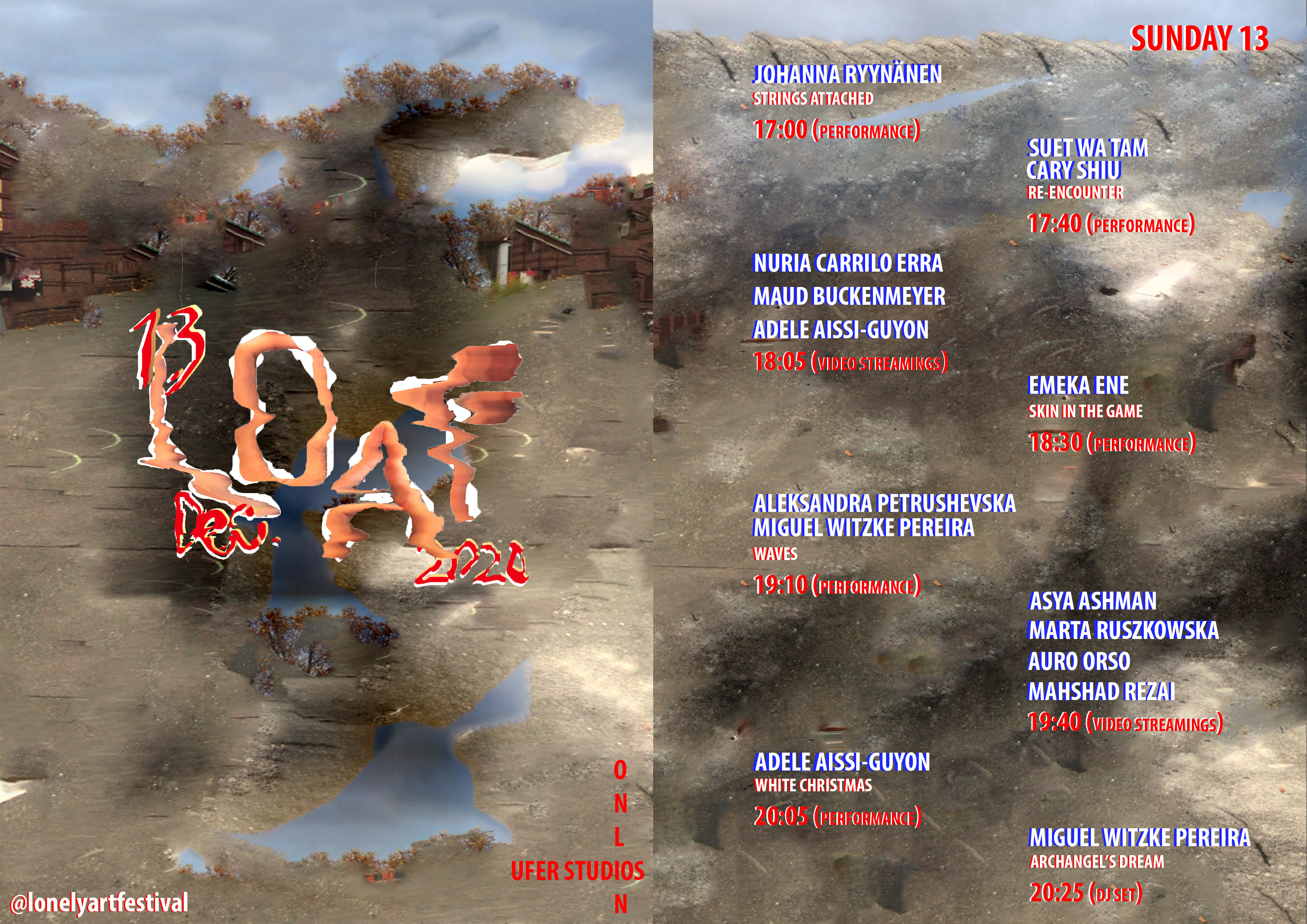
I Am Here
Zoom: an audiovisual experiment
NAH DRAN extended w/ Thiago Rosa & Gareth Okan
False Start
Works about beginning: avatars, processes, audio walks, audio files.
NAH DRAN extended w/ Derin Cankaya & Daria Belous
A Dance of Pixelated Bodies
Works about beginning: avatars, processes, audio walks, audio files.
NAH DRAN extended w/ Therese Bendjus & Aleksandra Petrushevska
I Am Here
Zoom: an audiovisual experiment
NAH DRAN extended w/ Therese Bendjus & Aleksandra Petrushevska
I Am Here
Zoom: an audiovisual experiment
NAH DRAN extended: beginnings
Knitting and Singing at the Sauna
4 artists, 4 places, 4 tasks
NAH DRAN extended w/ Therese Bendjus & Aleksandra Petrushevska
I Am Here
Zoom: an audiovisual experiment
NAH DRAN extended w/ Thiago Rosa & Gareth Okan
False Start
Works about beginning: avatars, processes, audio walks, audio files.
Eylül Fidan Akıncı
Choreo-dramaturging the Anthropocene: Eiko Otake’s A Body in Places
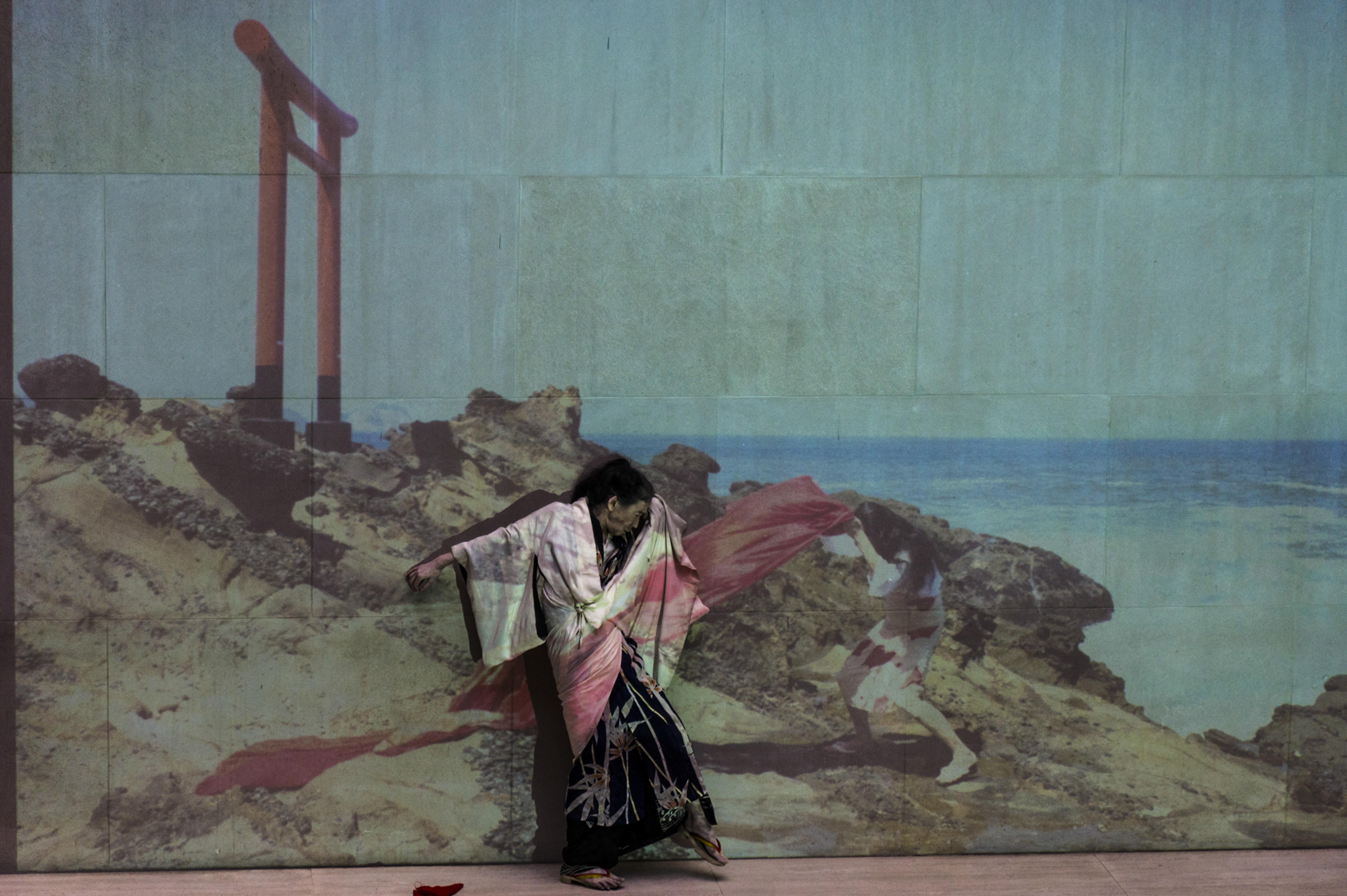 © Met Fifth Ave, 19 November 2017, No_0537 William Johnston
How the ever-deepening ecological crisis calls for choreo-dramaturgical approaches and activation.
Site Specific Performance
I want you to look at _________.
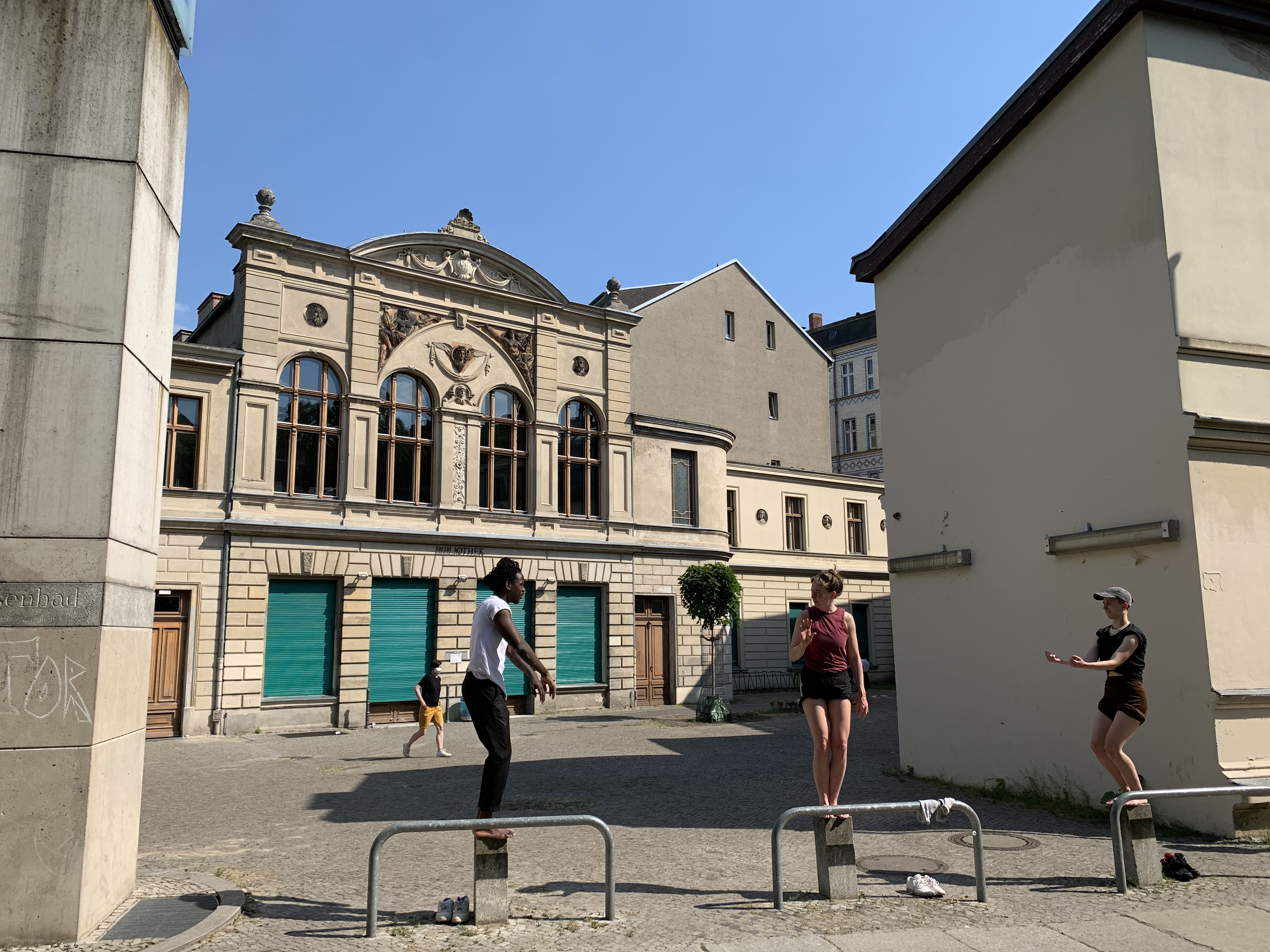 © Judith Brückmann
A Site Specific Performance by the first year students of the Bachelor program „Dance, Context, Choreography“ of the HZT Berlin. >
Diego Agulló
Betraying Ambition
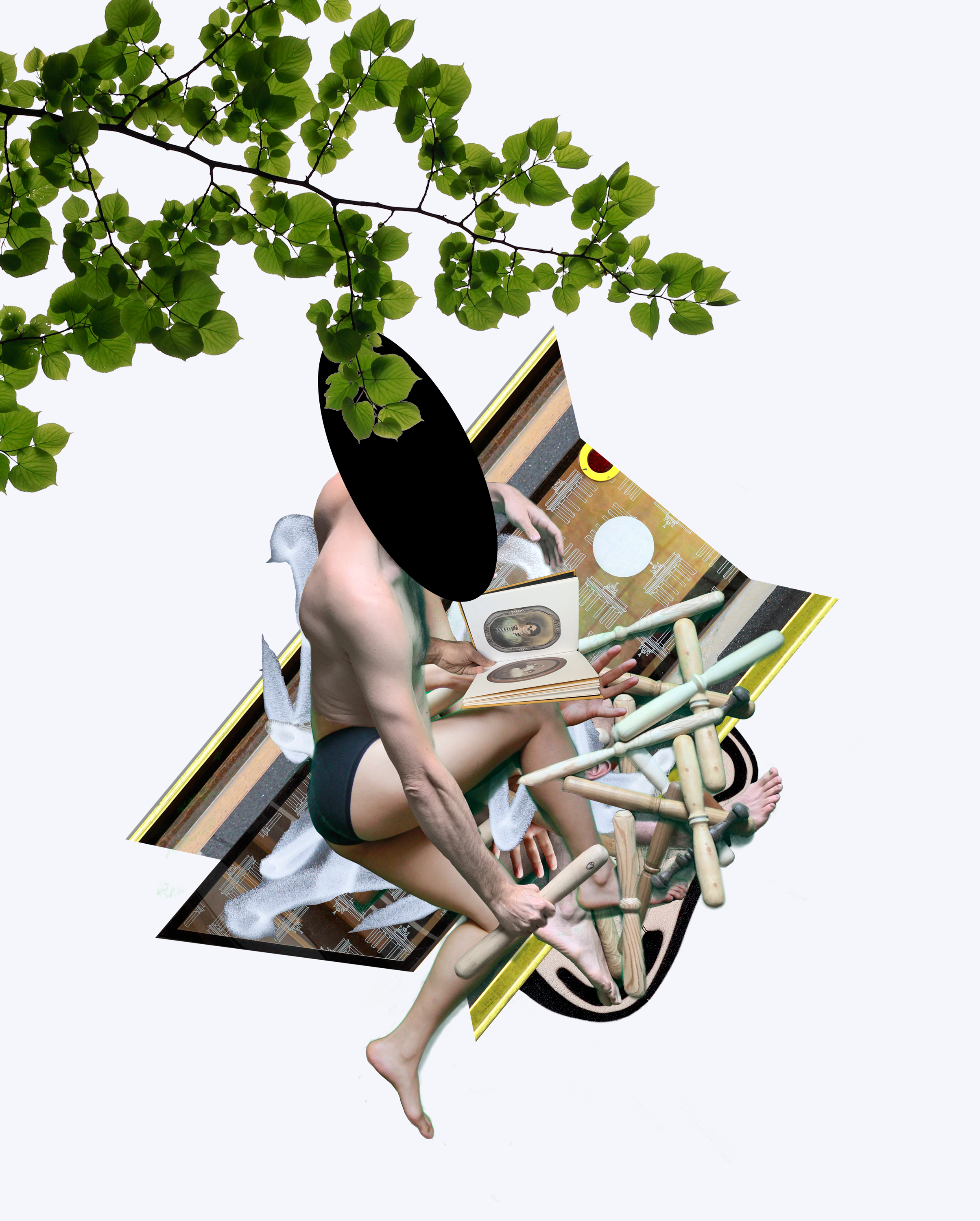 © Diego Agulló
BA Evening Lecture
Hrishikesh Pawar
And So We Dance !!!
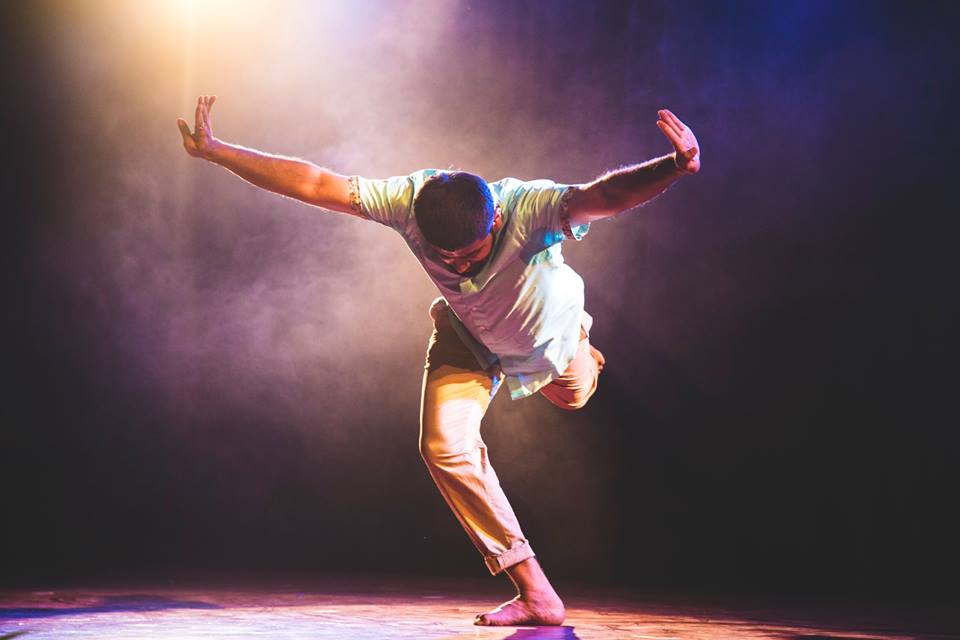 © Archives of Centre of Contemporary Dance
BA Evening Lecture
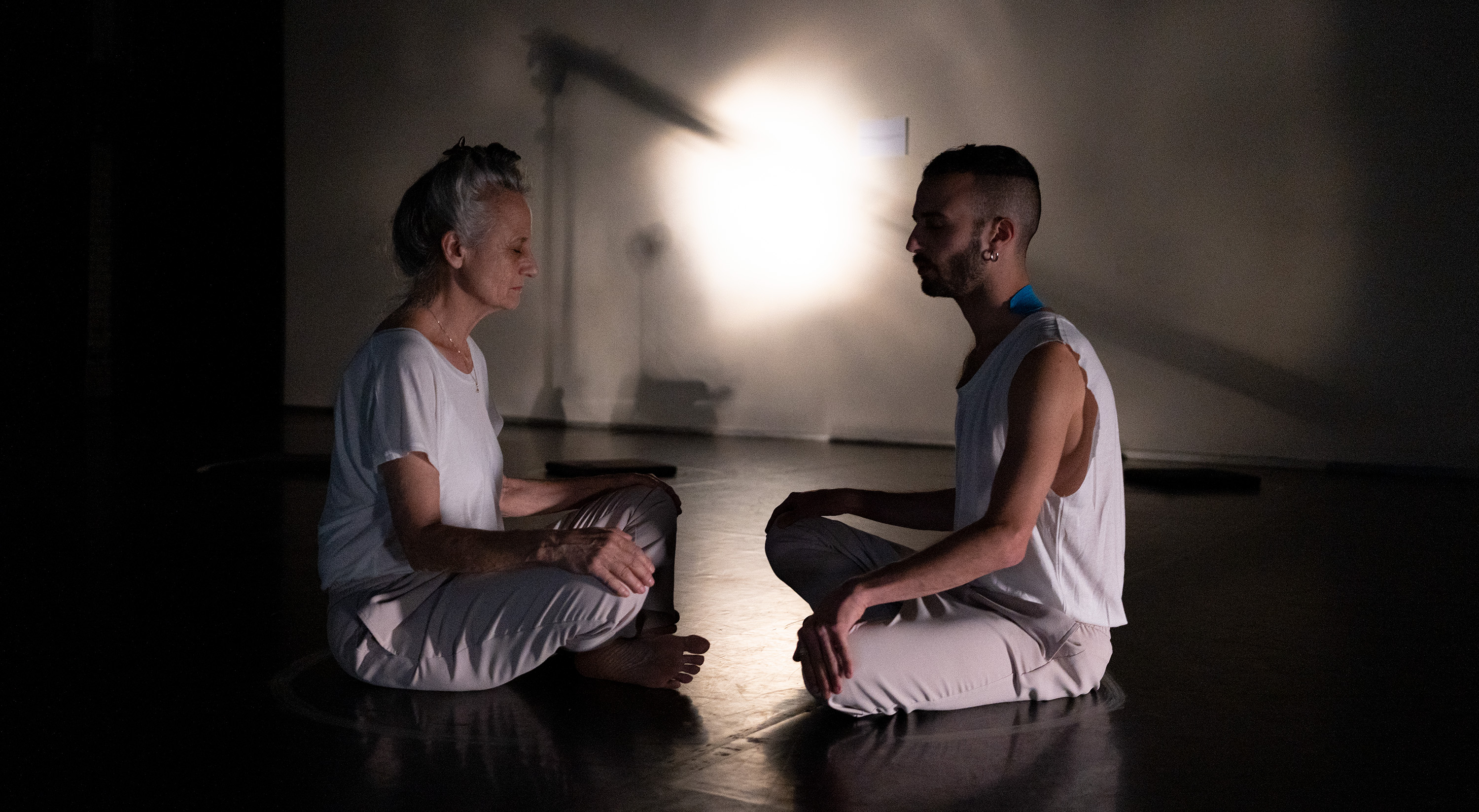
A journey towards the embodiment of the eternal body that we all might be.
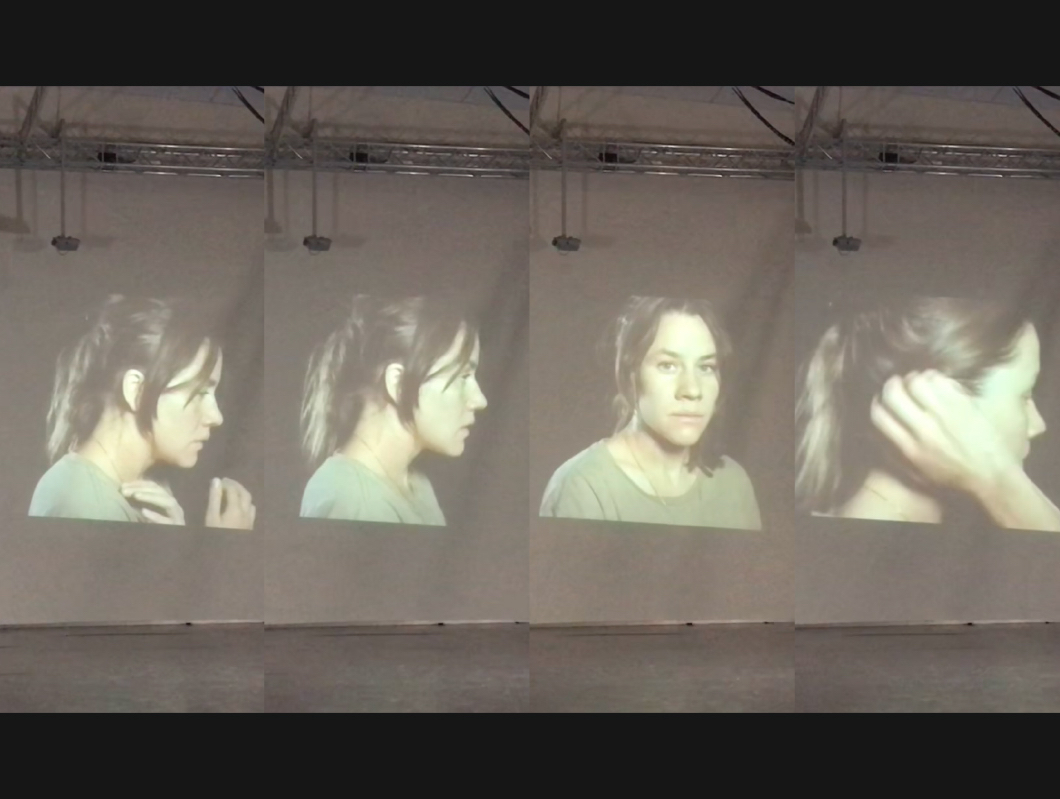
When do stills become movement and can a body ever be still?
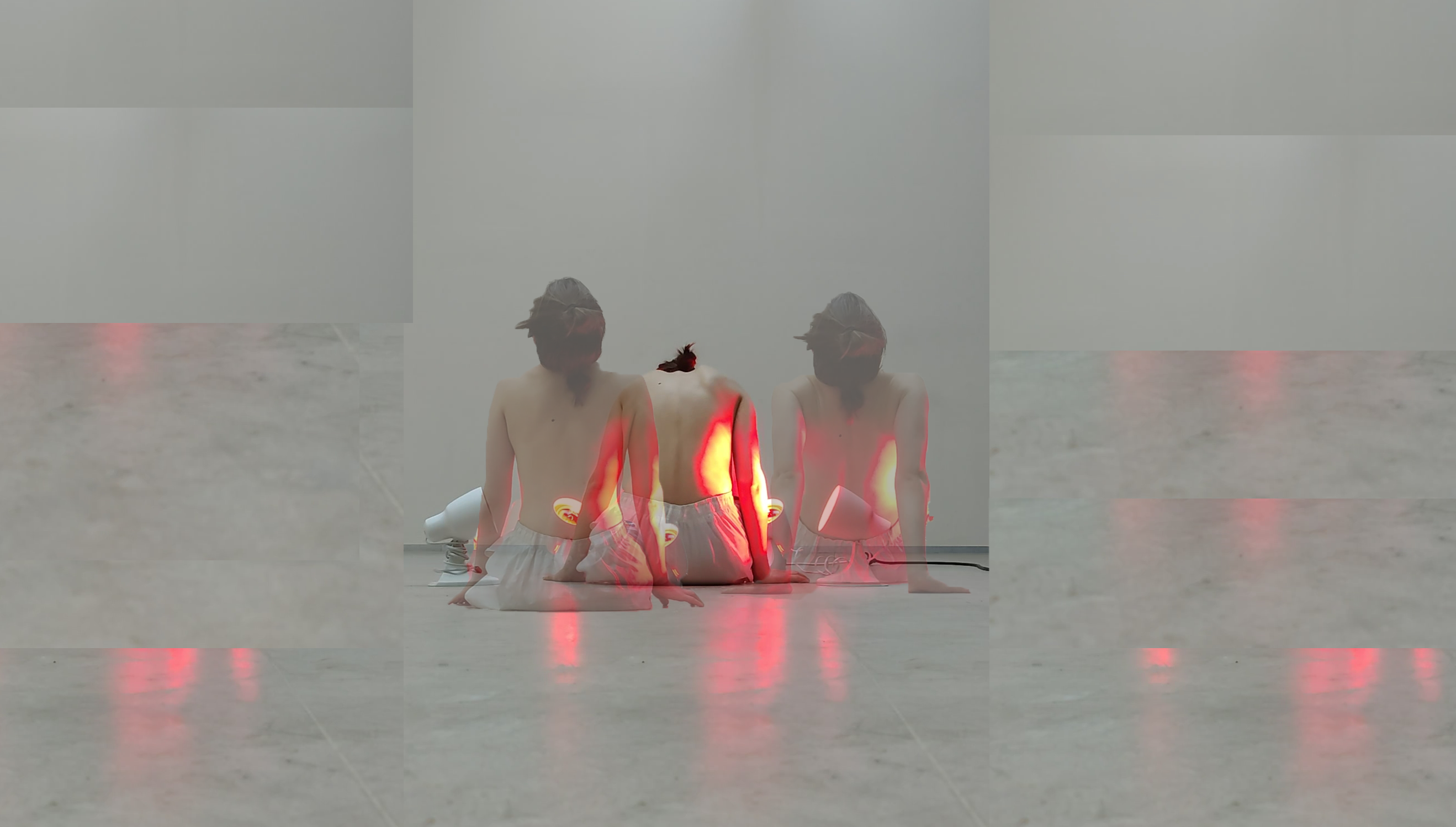
In the search for the act of softening “eighty °” looks into the Finnish sauna tradition and its produced state of being - the state of sauna. >
When do stills become movement and can a body ever be still?
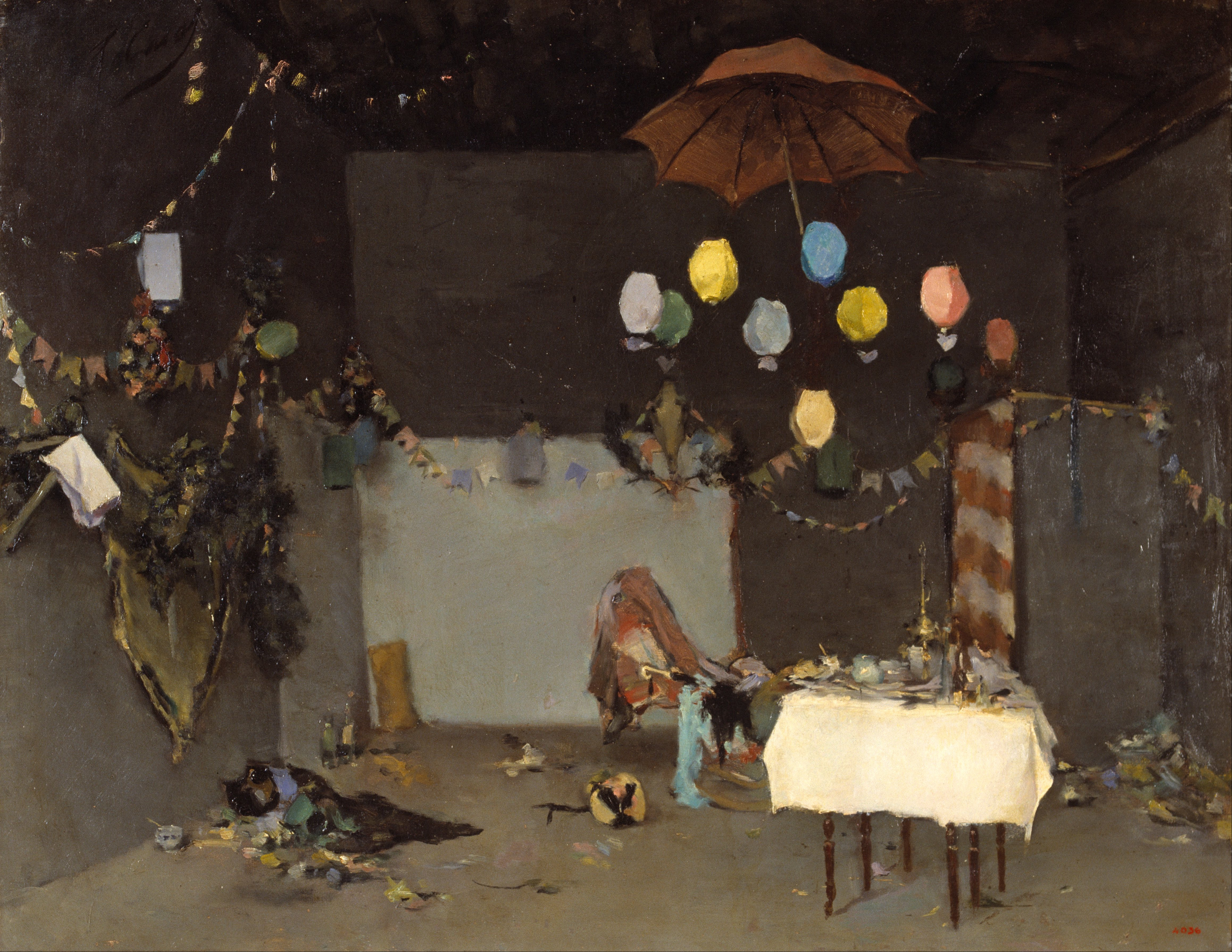
Imagine the scene: a character finds themselves alone in the leftovers of a party. They claim the party can’t be over, it is just starting, now. >
Gareth Okan
Looking up the pros and cons of making relief cuts in the underside of a table top to prevent warpage.
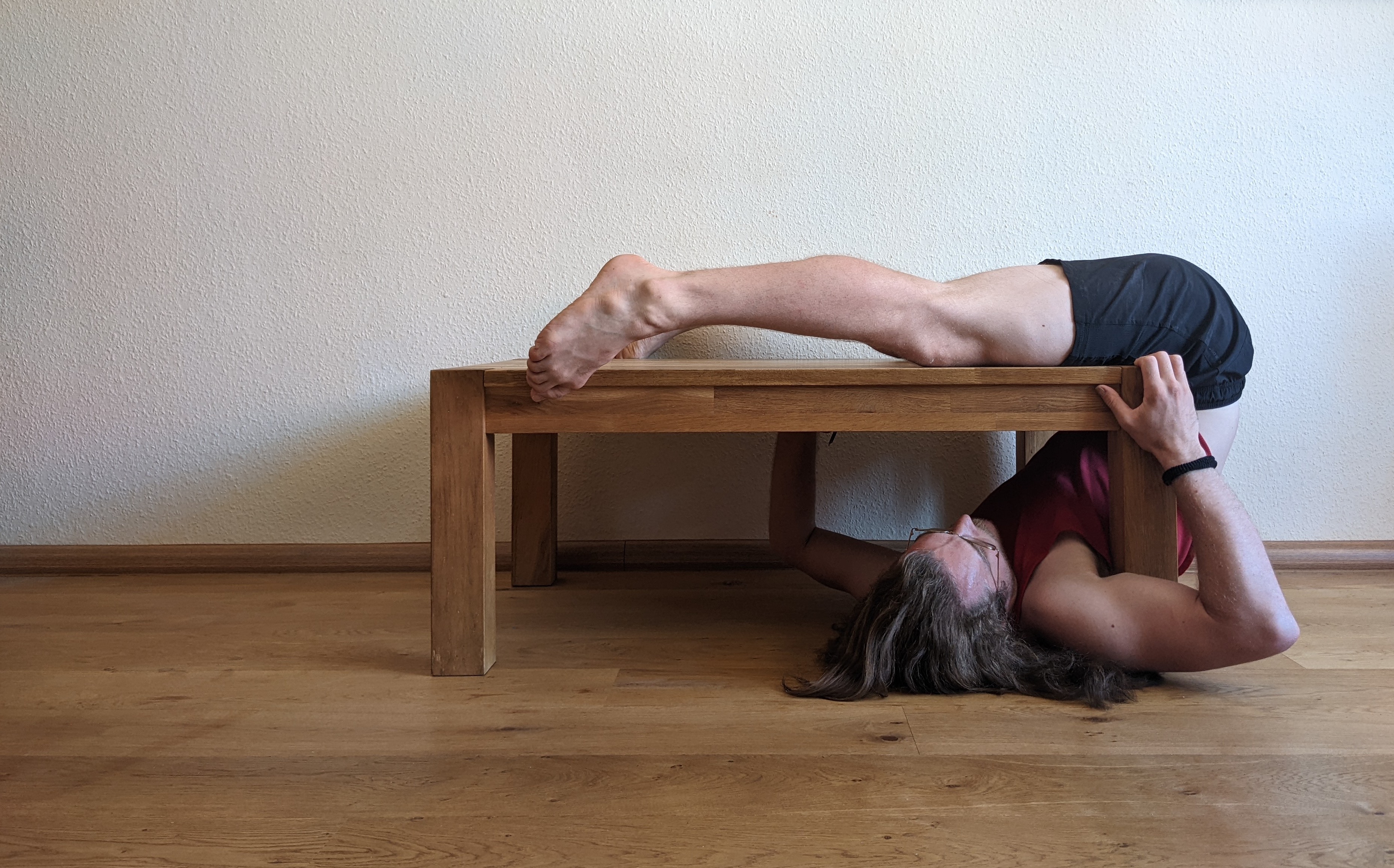 © Gareth Okan
what does it mean to labor with love?
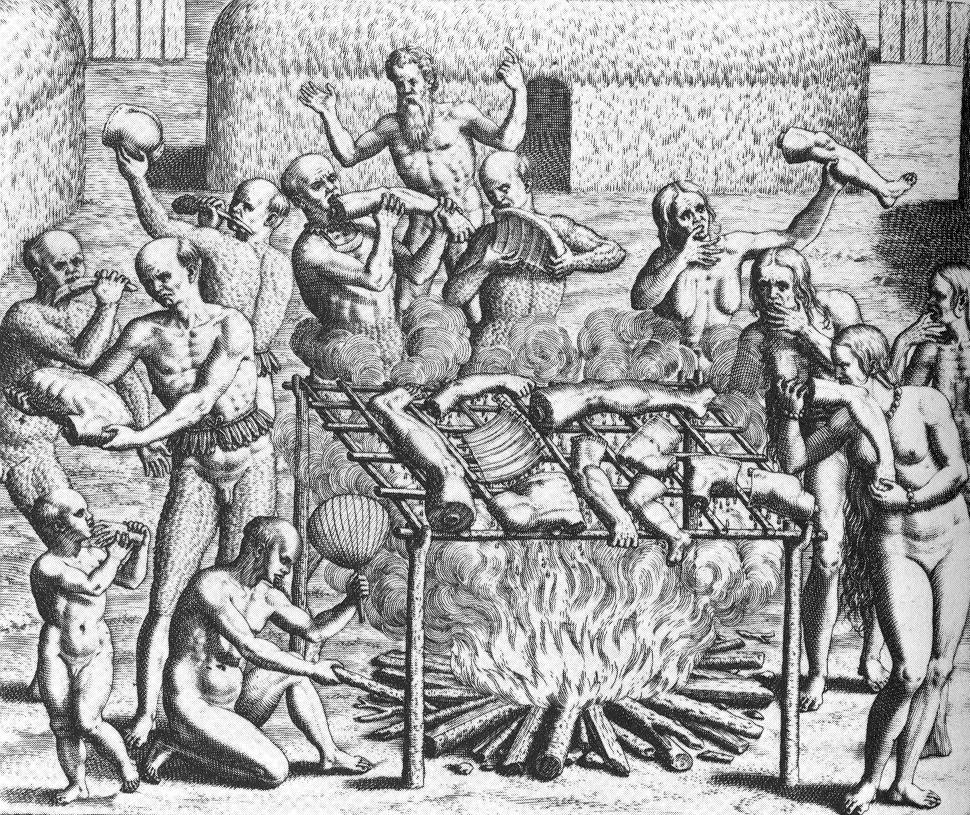
“A true history and description of the wild, nude, and fierce man-eating peoples in the New World” - Hans Staden (1557) >
Gareth Okan
Looking up the pros and cons of making relief cuts in the underside of a table top to prevent warpage.
© Gareth Okanwhat does it mean to labor with love?
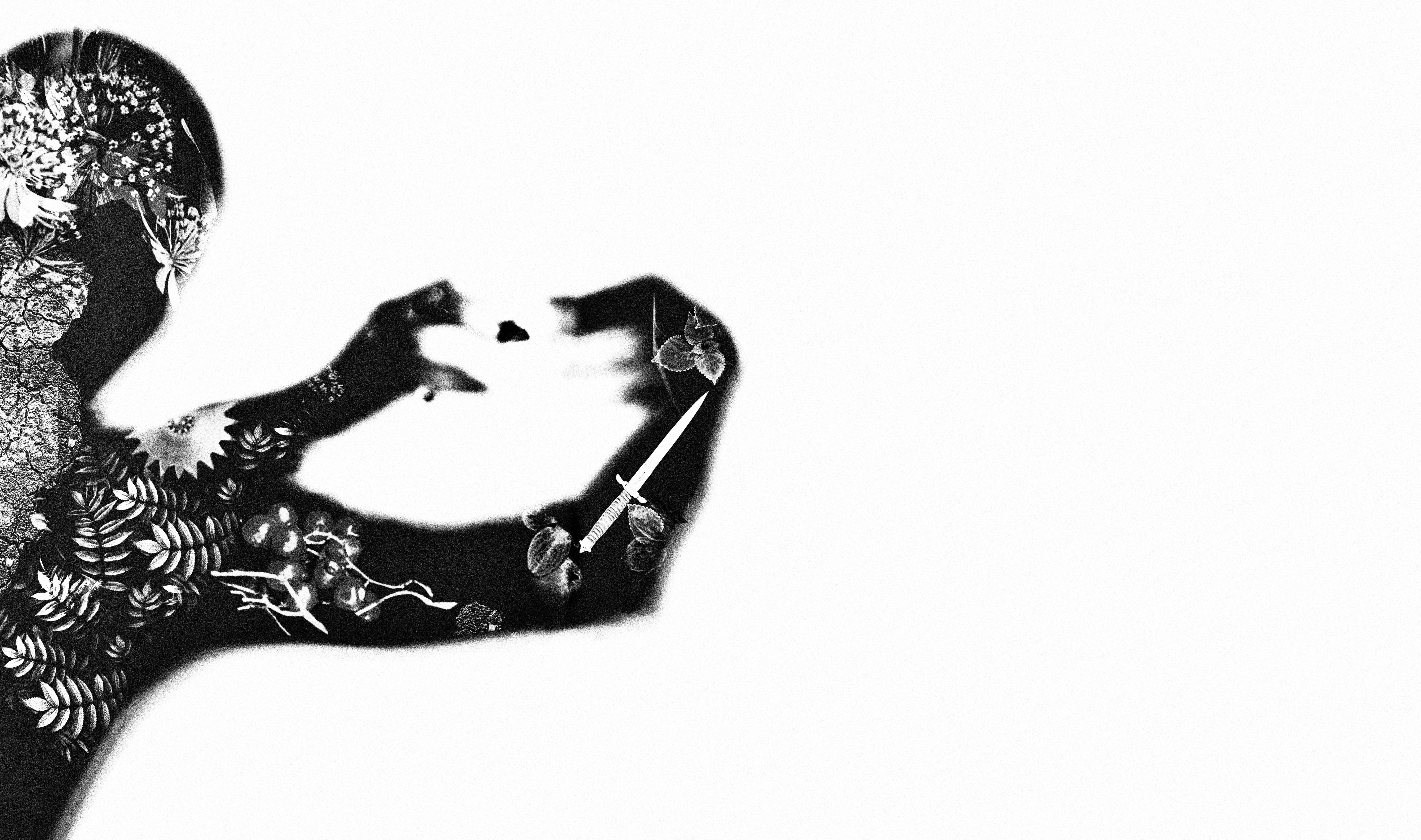 © Aleksandra Petrushevska
An ode to the female fantasy and an invitation to come closer to the fragile interior world.
Liisi Hint & Maria Ladopoulos
have you ever heard the sound of sorrow being peeled?
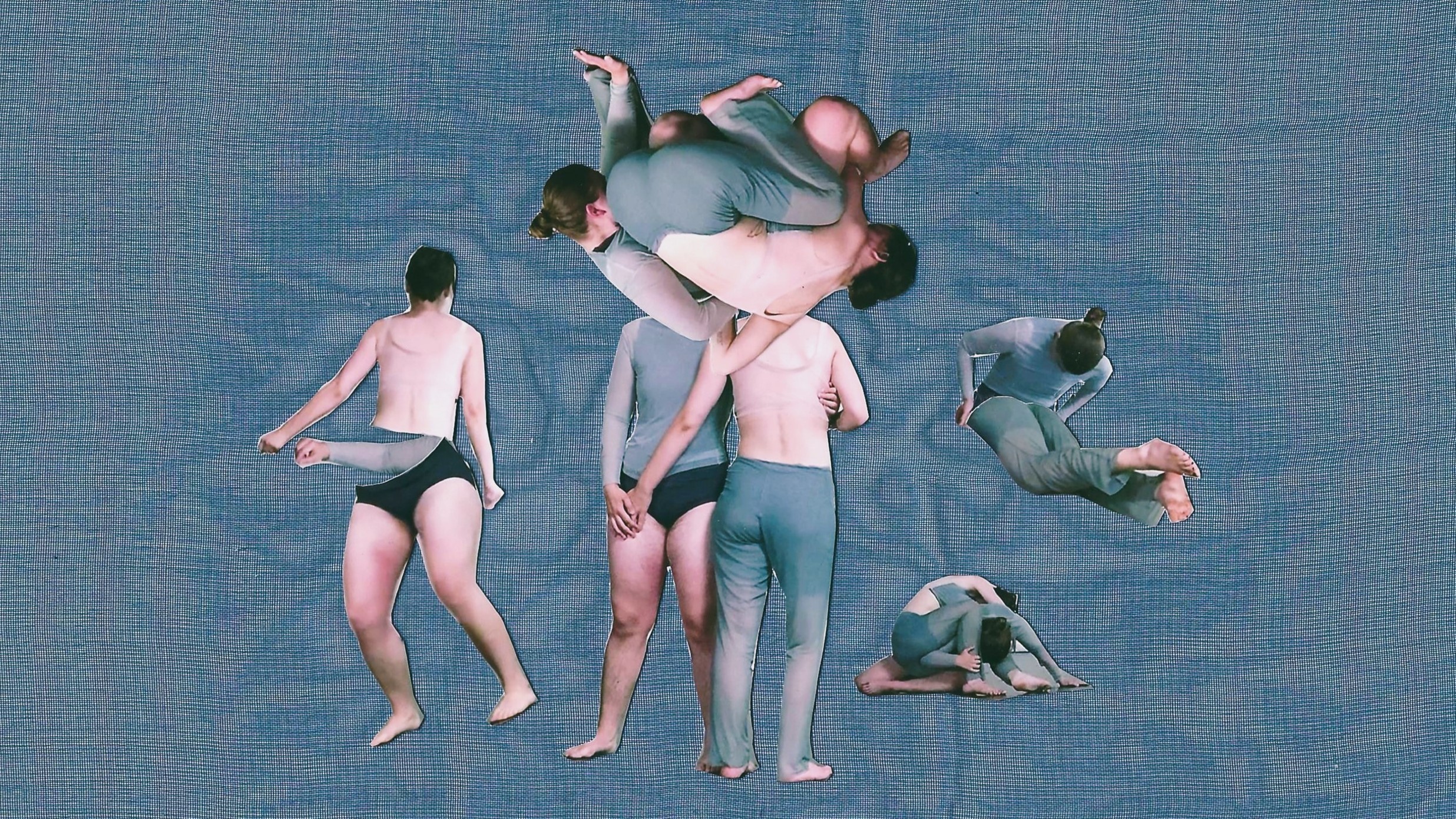 © Liisi Hint, Maria Ladopoulos
Two bodies negotiating the comfortable and the uncomfortable, gentleness and attack, being in the in-between, finding each other, melting together. And at >
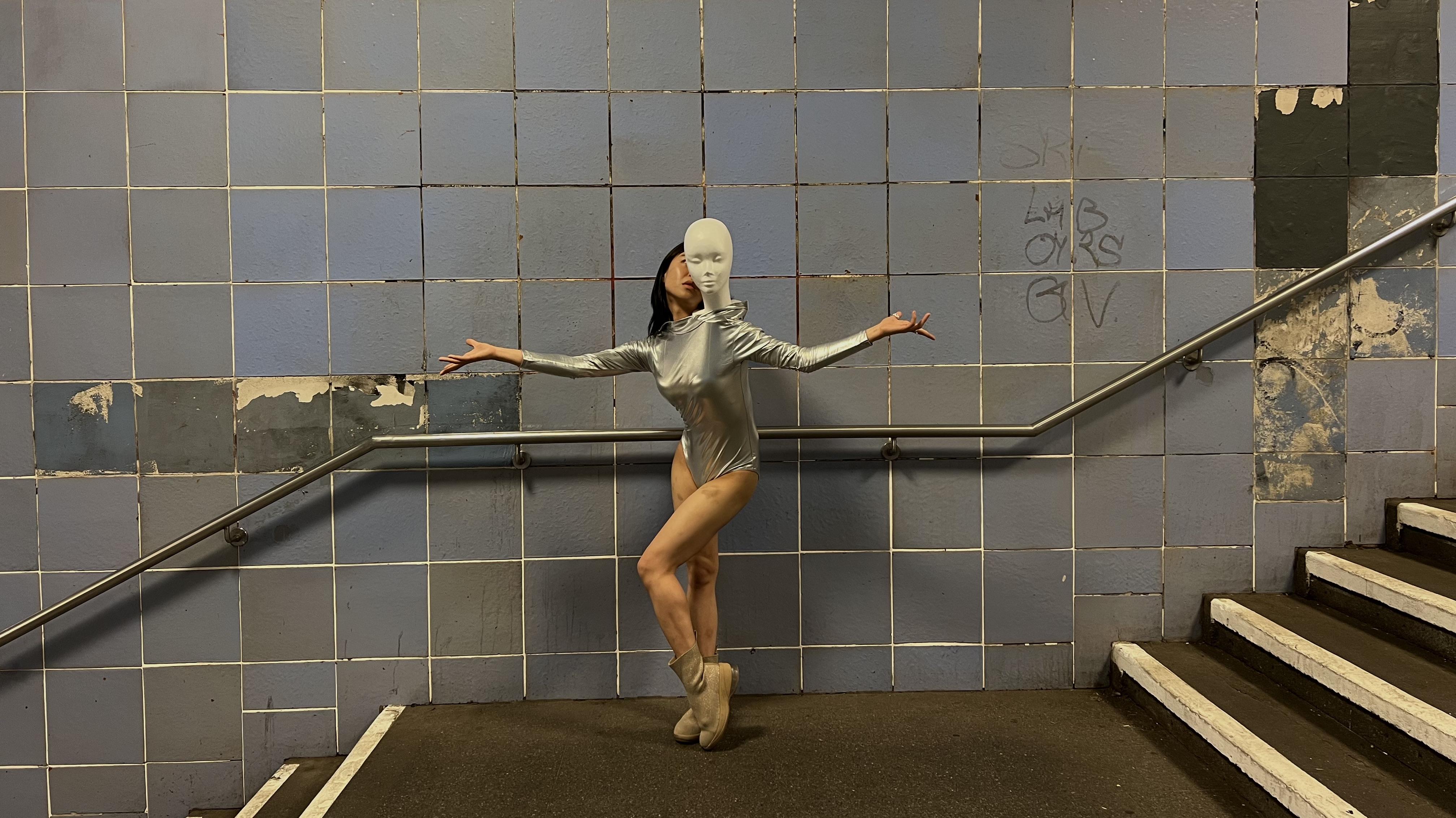
Have you ever had a desire to break away from your daily routine?
Liisi Hint & Maria Ladopoulos
have you ever heard the sound of sorrow being peeled?
© Liisi Hint, Maria LadopoulosTwo bodies negotiating the comfortable and the uncomfortable, gentleness and attack, being in the in-between, finding each other, melting together. And at >
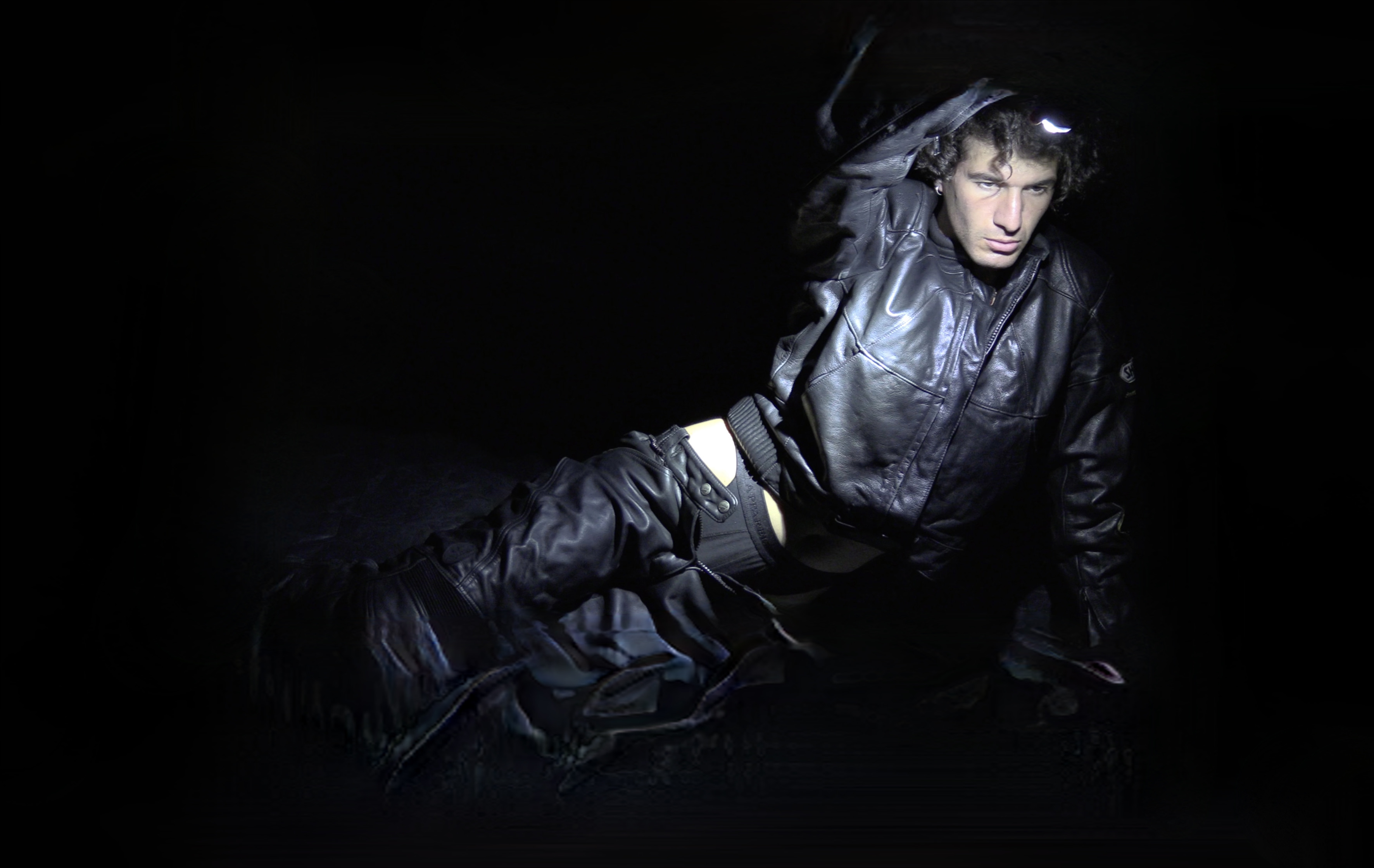
A seductive homage to vulnerability, an invitation to shed the armour, a love story with the darkness and an attempt at self-healing in the presence of >
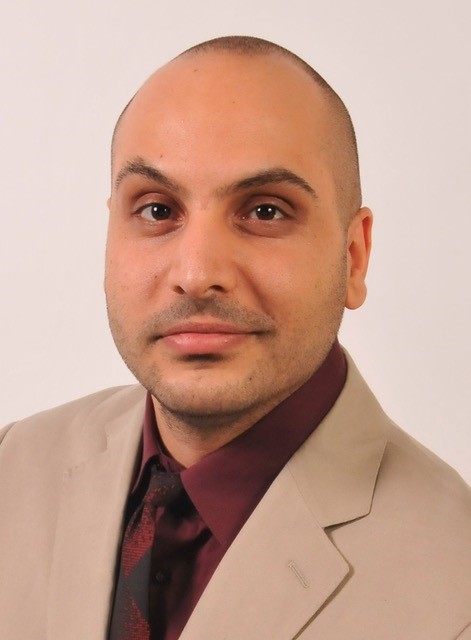
Dr. Mutlu Ergün-Hamaz
Raising Awareness
 © privat
Racism, Racialisation & Critical Whiteness - An Introduction
Open Studio HZT students
MOTHERLODE
 © Giulia Rossi & Saeed Asadsangabi: TAPE
Giulia Rossi & Saeed Asadsangabi | Mateo Argerich
Open Studio HZT students
MOTHERLODE
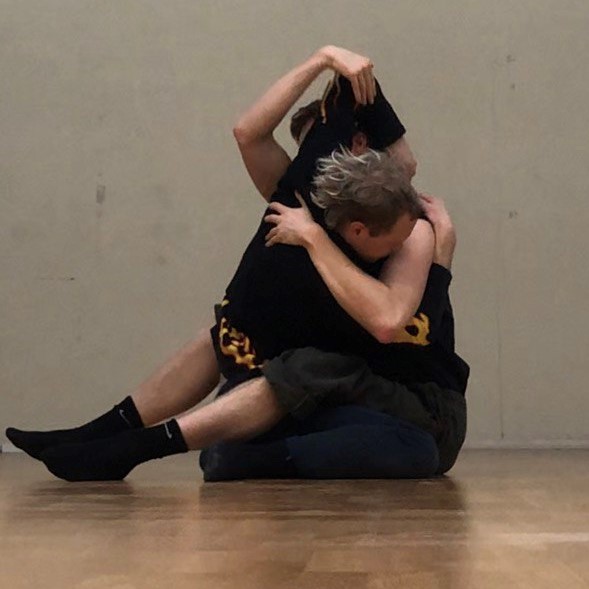 © Noah Rees & Johann Eggebrecht: melting
Johann & Noah | Lisette Marie Viilup
Open Studio HZT students
MOTHERLODE
 © Jean Djender and the Foolz
Jean Djender and the Foolz | Ari Adamski
Open Studio HZT students
MOTHERLODE
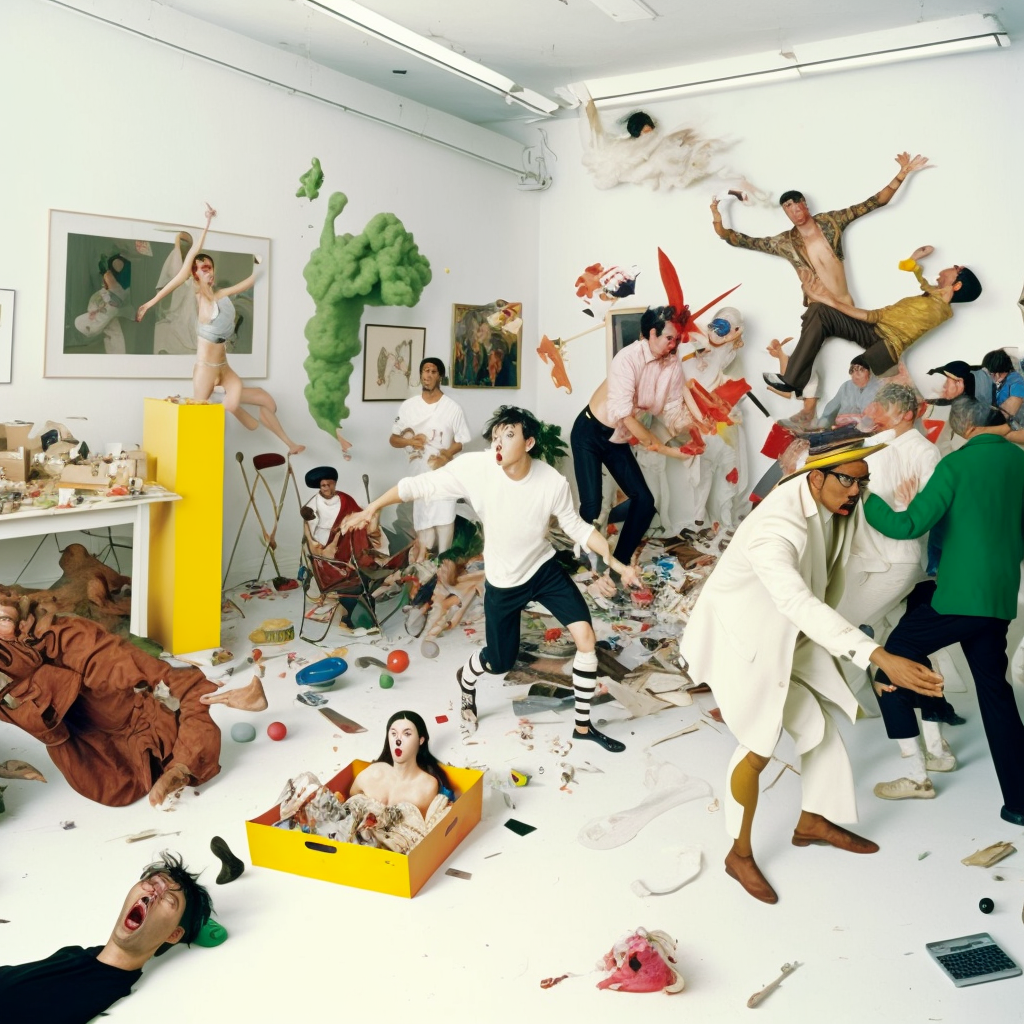 © HZT Berlin
Coco & Melissa | Carolina de Vega
Open Studio HZT students
MOTHERLODE
© HZT BerlinAnton Gerzina & Milena Stein | To gather the parts.
BA Lecture by Jen Rosenblit
I'm Gonna Need Another One
 © Marie Heafner
Accumulation, Familiarity and Dissociation as a Choreographic Moral.
SERAFINE1369s aka Jamila Johnson-Small
I want to open all the windows and all of the doors
 © Katarzyna Perlak and Carlos Jimenez, 2017
Loose studies in somatic technologies and dance as oracular practice
Asya Ashman
Supernumeraries.
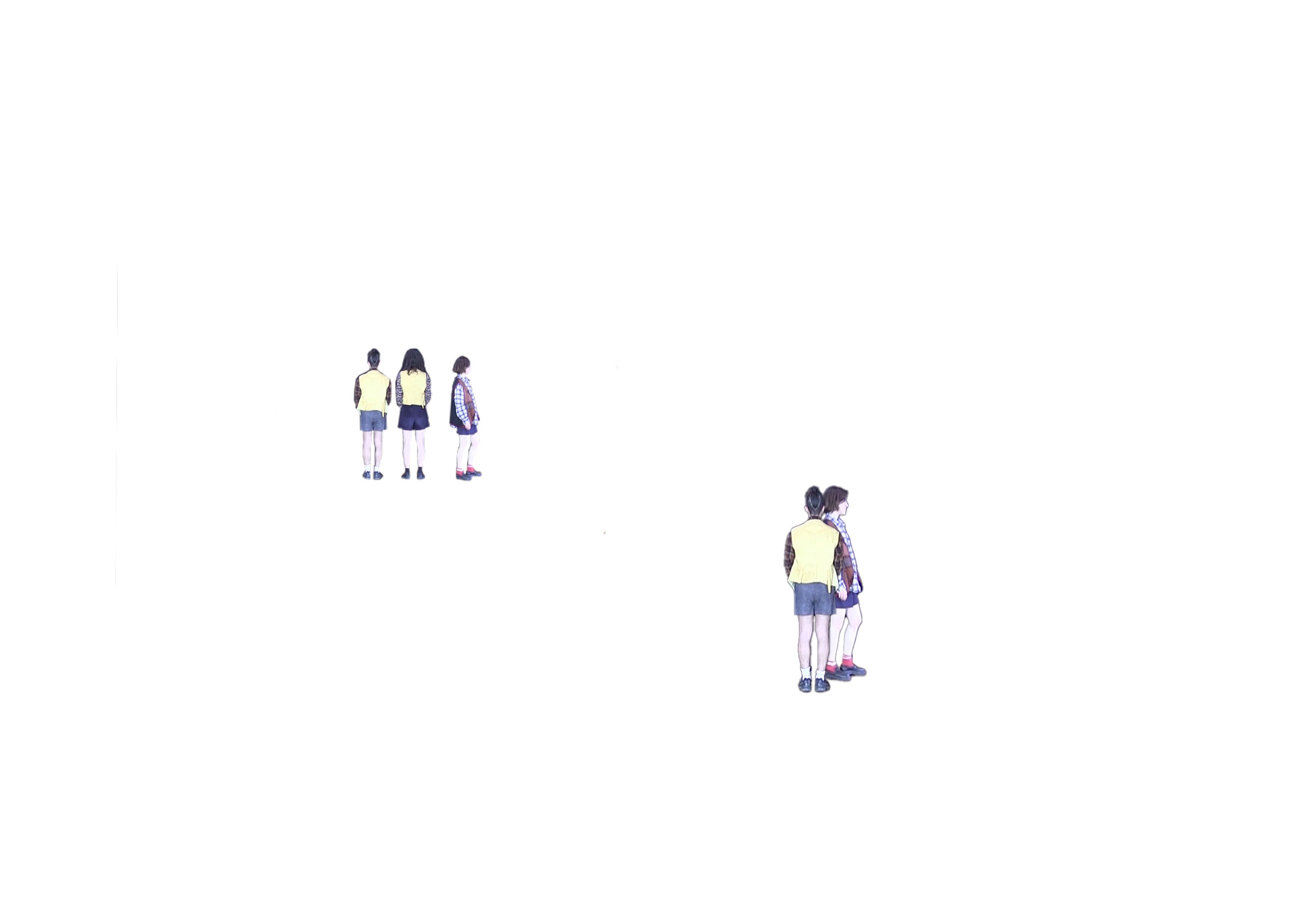 © Konstantin Koryagin, Asya Ashman
About experiences as an "extra" in film and the role of background characters in fictional realities.
Derin Cankaya
Topography of a Body: Hairy Sceneries
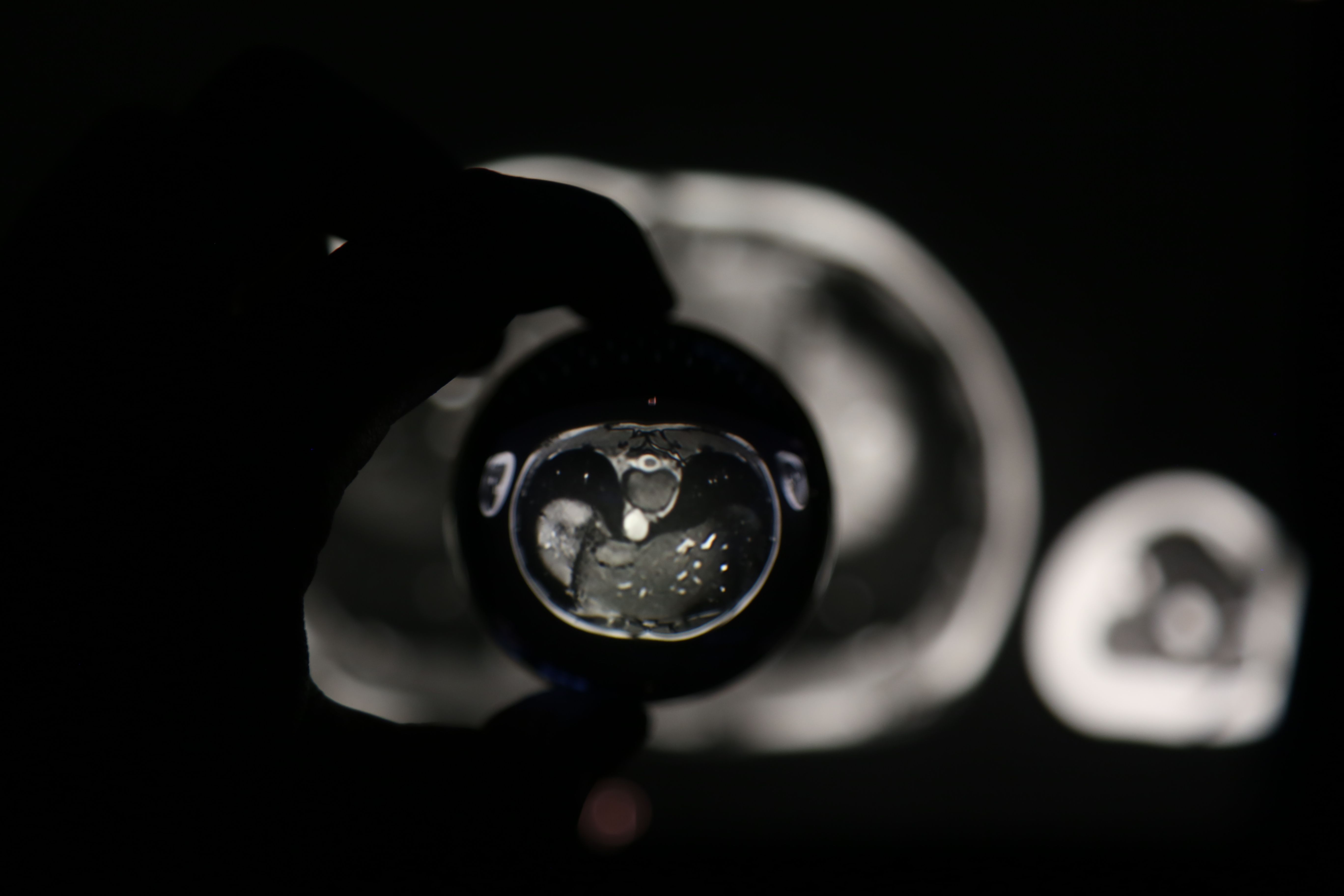 © Derin Cankaya
A journey between the inside and outside of the body, two cultures, the public and the private, the medical and the societal. >
Asya Ashman
Supernumeraries.
© Konstantin Koryagin, Asya AshmanAbout experiences as an "extra" in film and the role of background characters in fictional realities.
Cikacé Lestine
I forgot everything already (but it’s not it’s not too late)
 © Cikacé Lestine
Therese Bendjus
Studies of Softening Part 3: I am trembling more than usual
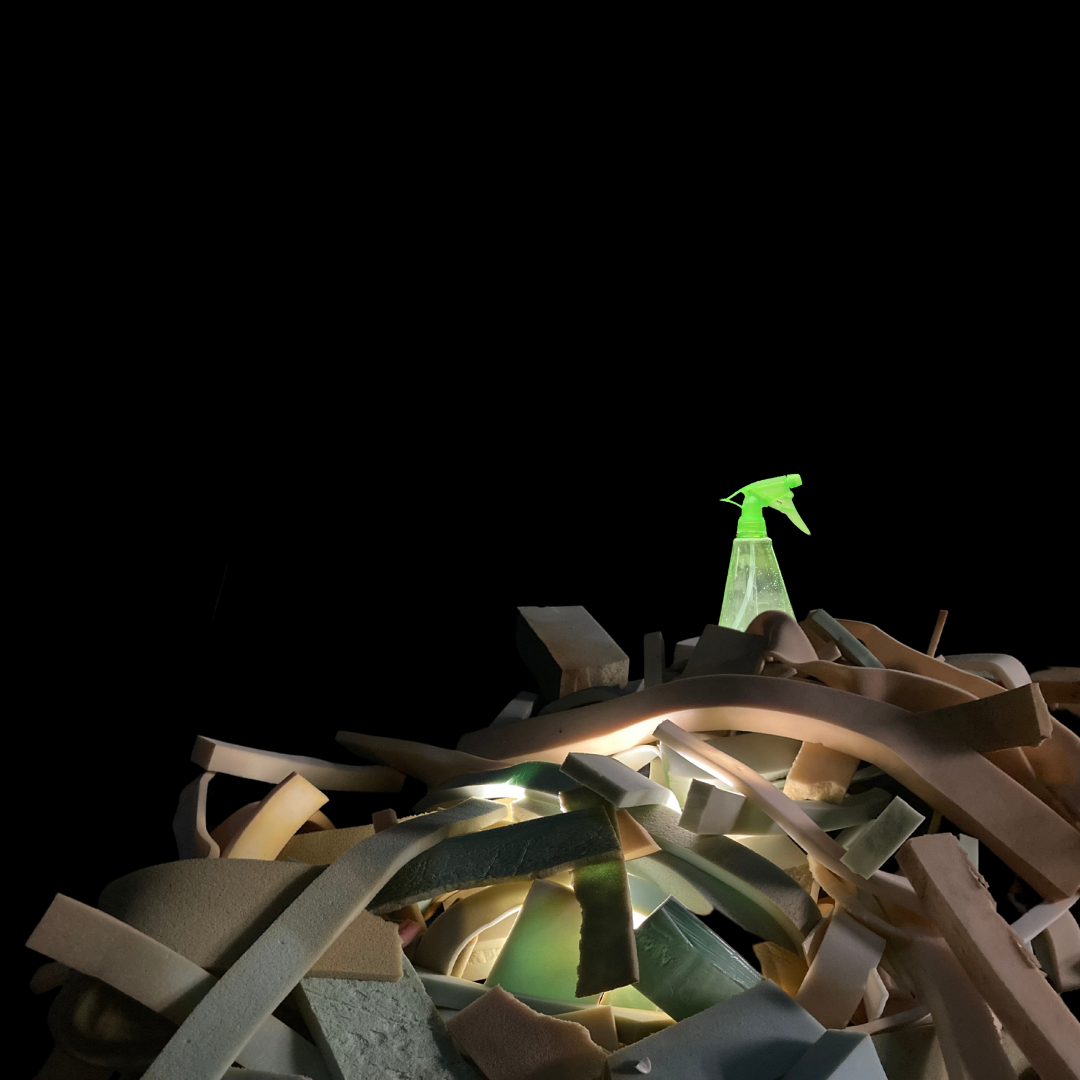 © Therese Bendjus
A space for the encounter with different qualities of vulnerability and intimacy.
Cikacé Lestine
I forgot everything already (but it’s not it’s not too late)
© Cikacé LestineMarta Marja Ruszkowska
FANDOM (work in progress)
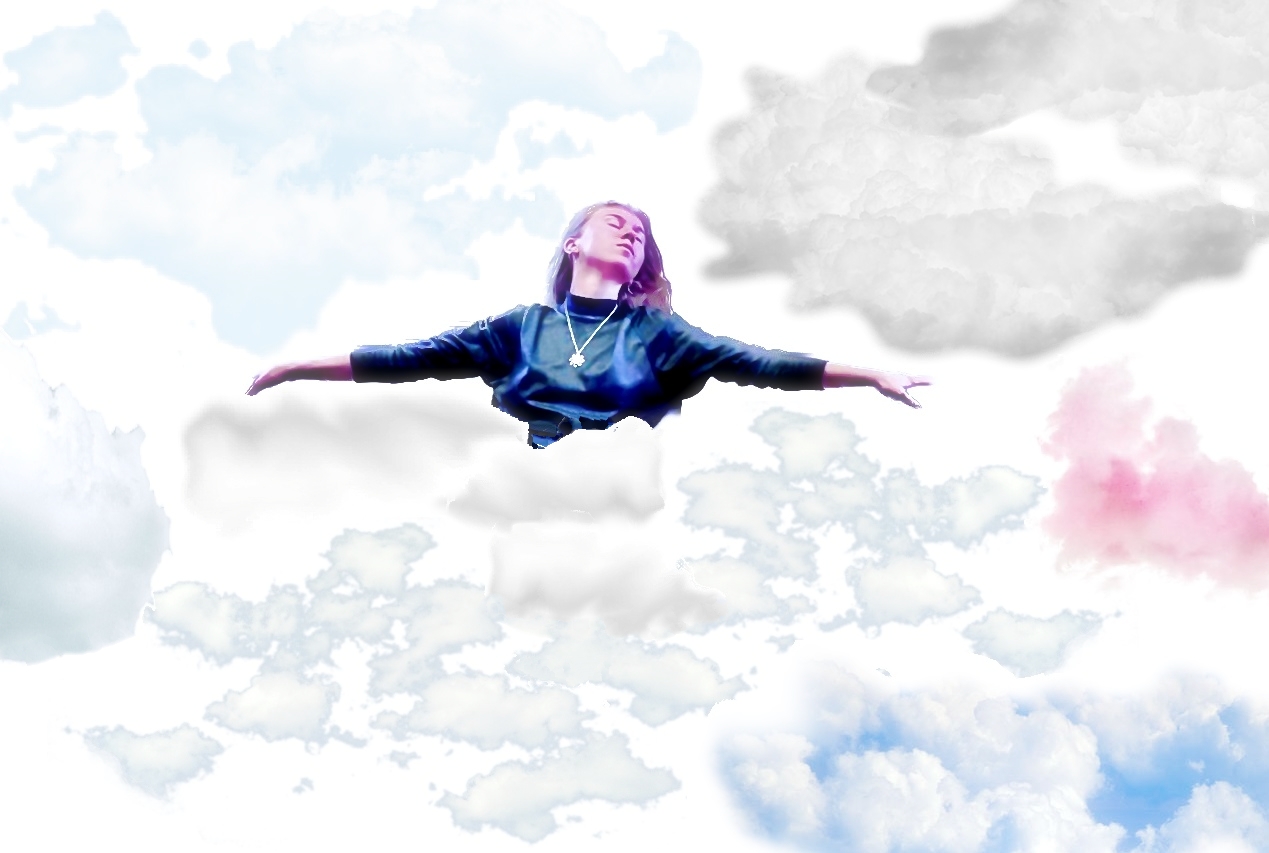 © Bobi Stojaković, Edit: Marta Marja Ruszkowska
this dance is dedicated to my idols and to my devotees.
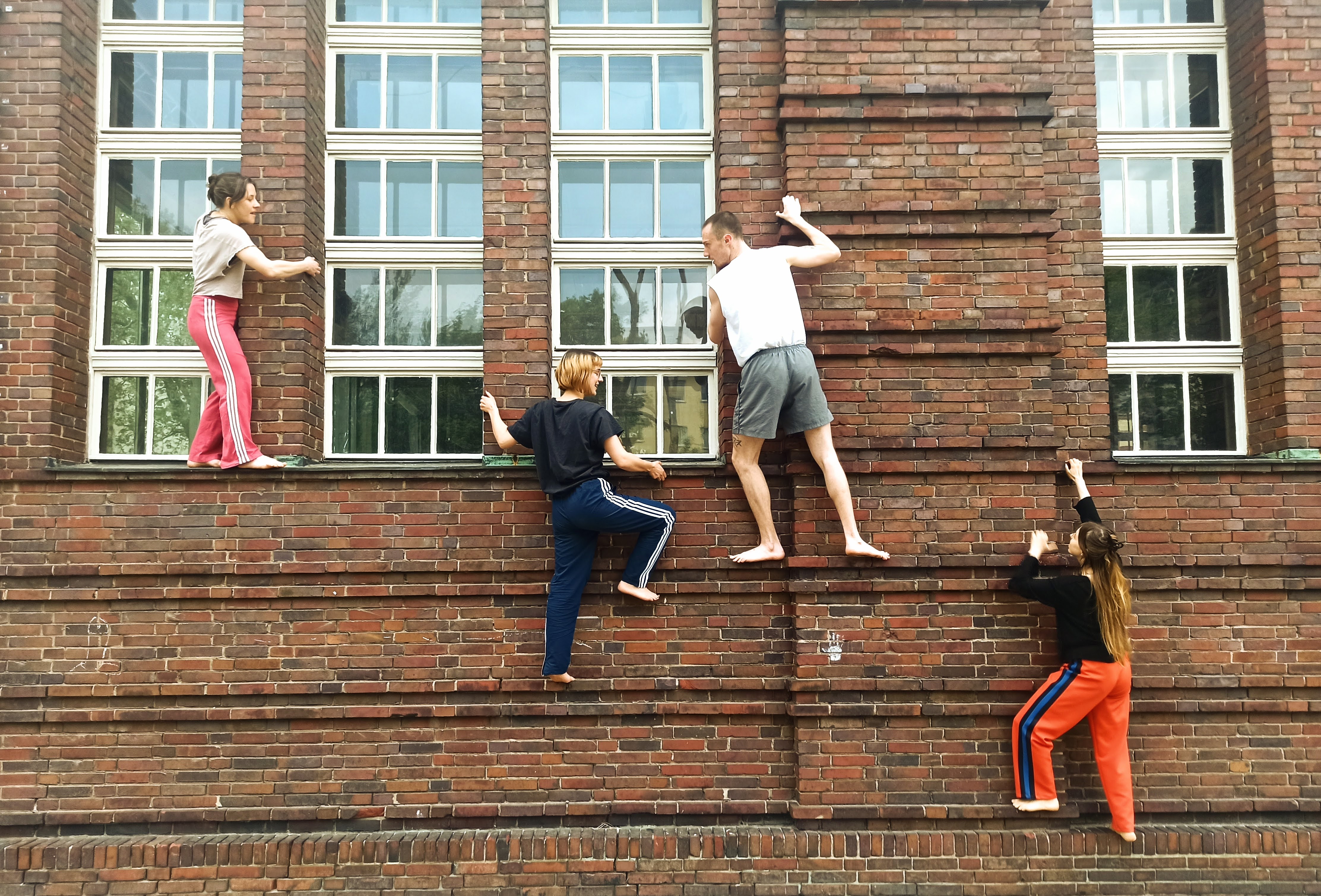
Marta Marja Ruszkowska
FANDOM (work in progress)
© Bobi Stojaković, Edit: Marta Marja Ruszkowskathis dance is dedicated to my idols and to my devotees.
Stela Lalova
F(OL)LOW
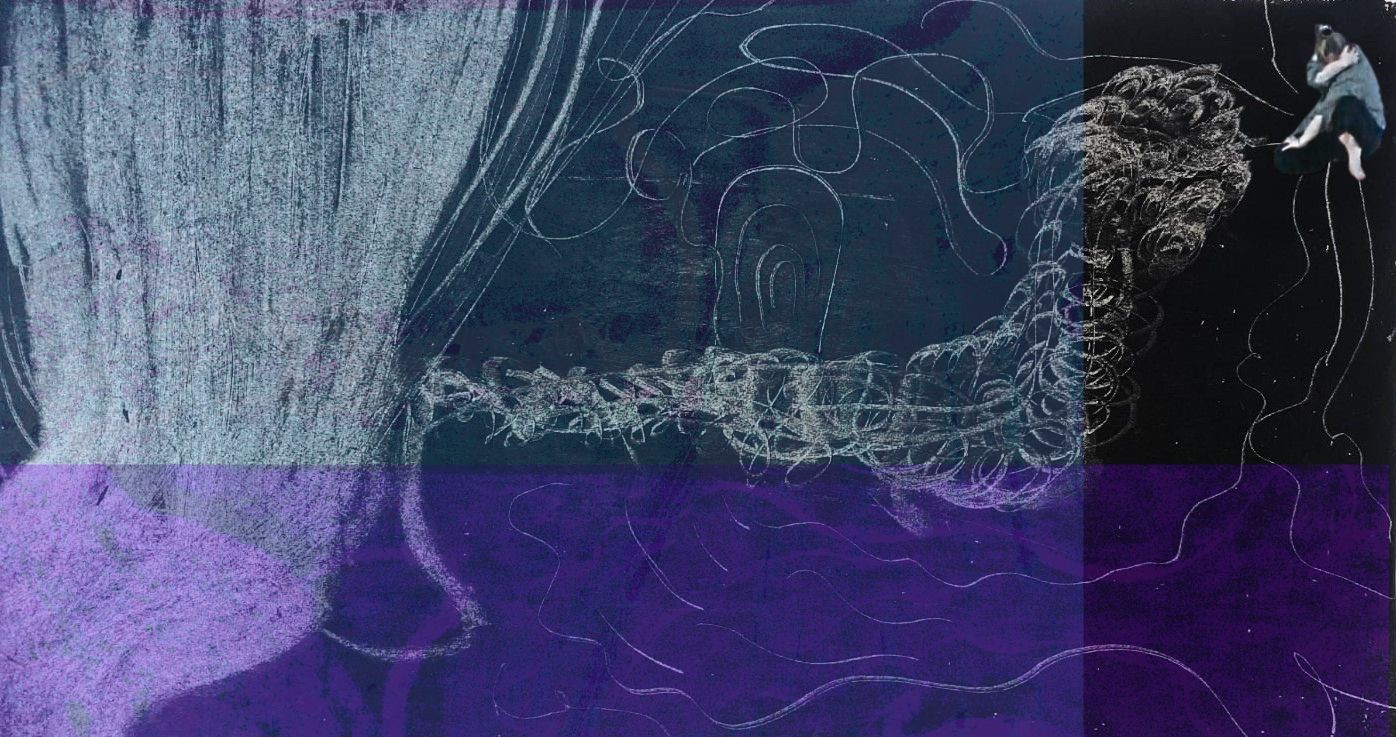 © Stela Lalova
How to melt the flow How to follow the flow How to resist the flow ...
Dasha Belous
before nature
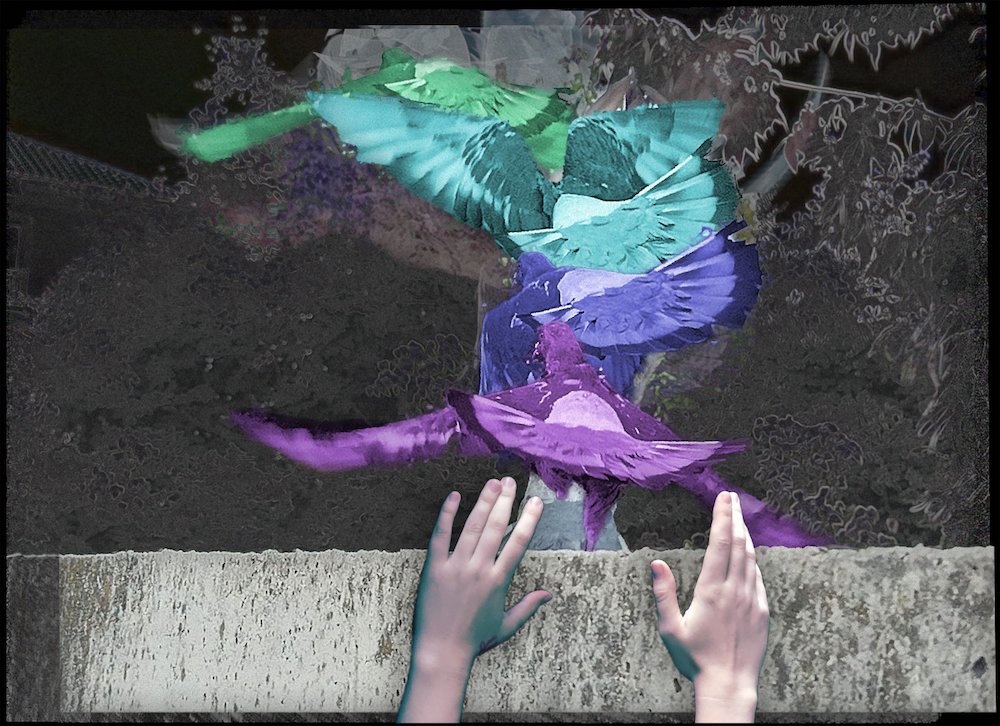 © Dasha Belous
About the contradictions of symbolism and symbolic meaning. With field recordings and Foley sounds about the feeling before nature. >
Stela Lalova
F(OL)LOW
© Stela LalovaHow to melt the flow How to follow the flow How to resist the flow ...
Derin Cankaya
Topography of a Body: Hairy Sceneries
© Derin CankayaA journey between the inside and outside of the body, two cultures, the public and the private, the medical and the societal. >
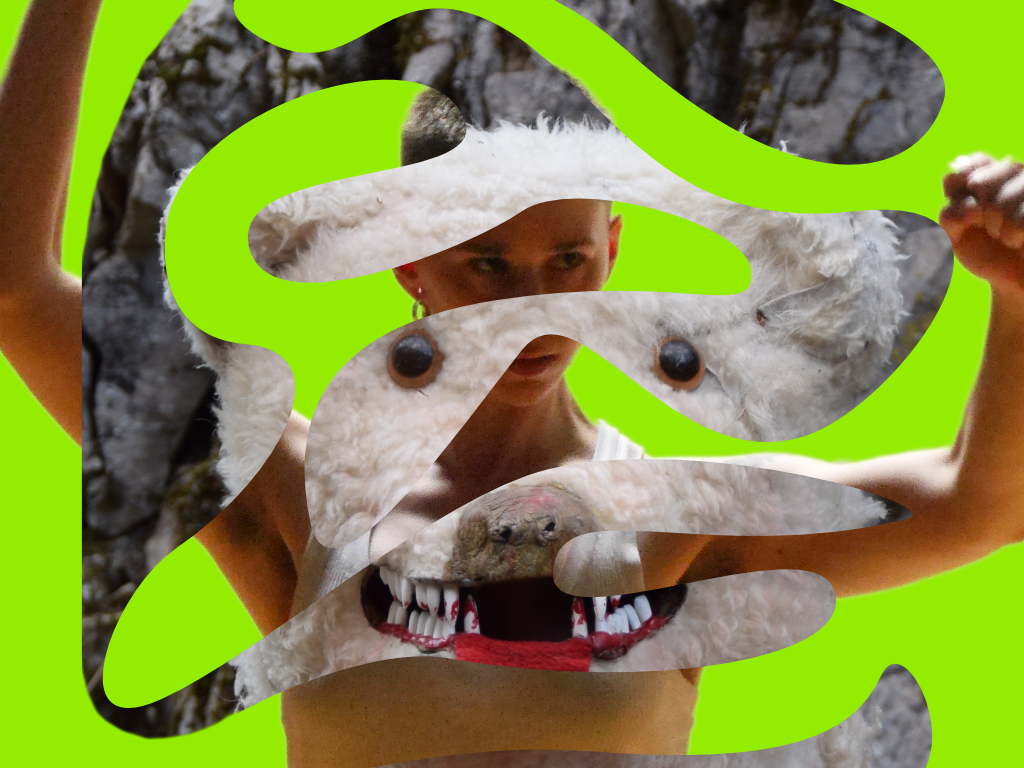
A time-travel fantasy woven out of movement, blurred images, characters, dragged music clips and pagan mythology.
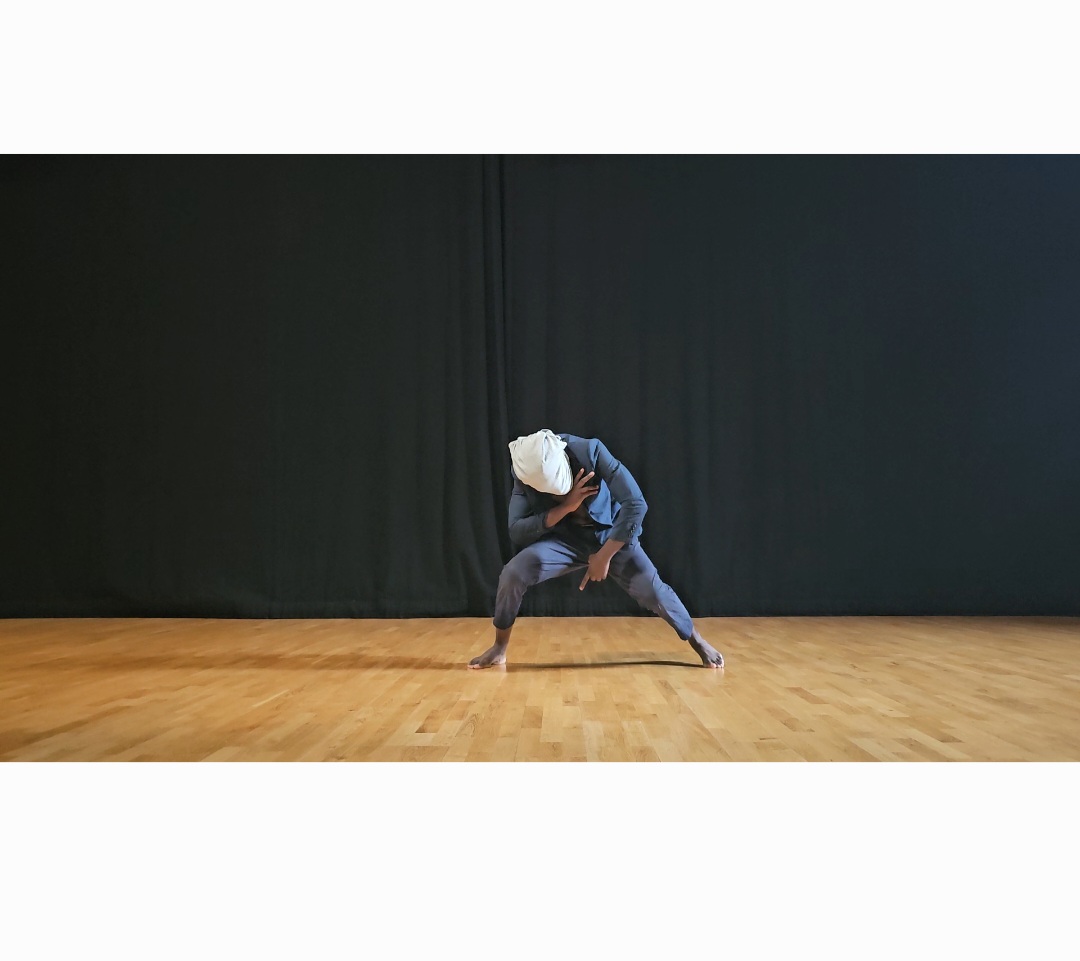
How do social norms and cultural beliefs limit individual freedom and opportunities?
A time-travel fantasy woven out of movement, blurred images, characters, dragged music clips and pagan mythology.
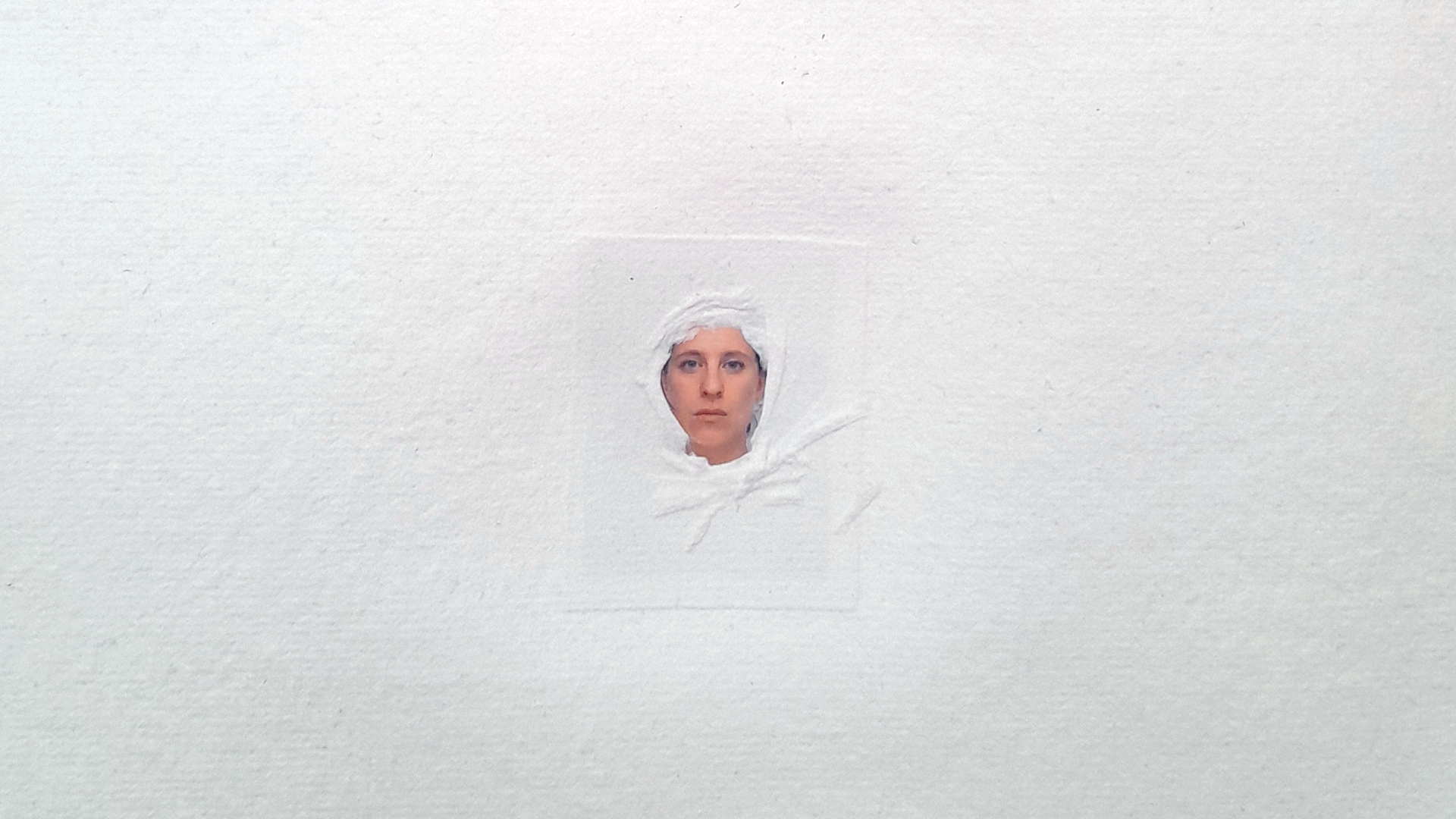 © Núria Carrillo Erra (paper maker: Daniel Puiggròs)
The everyday is the place of change. The everyday is the place where everything stays the same.
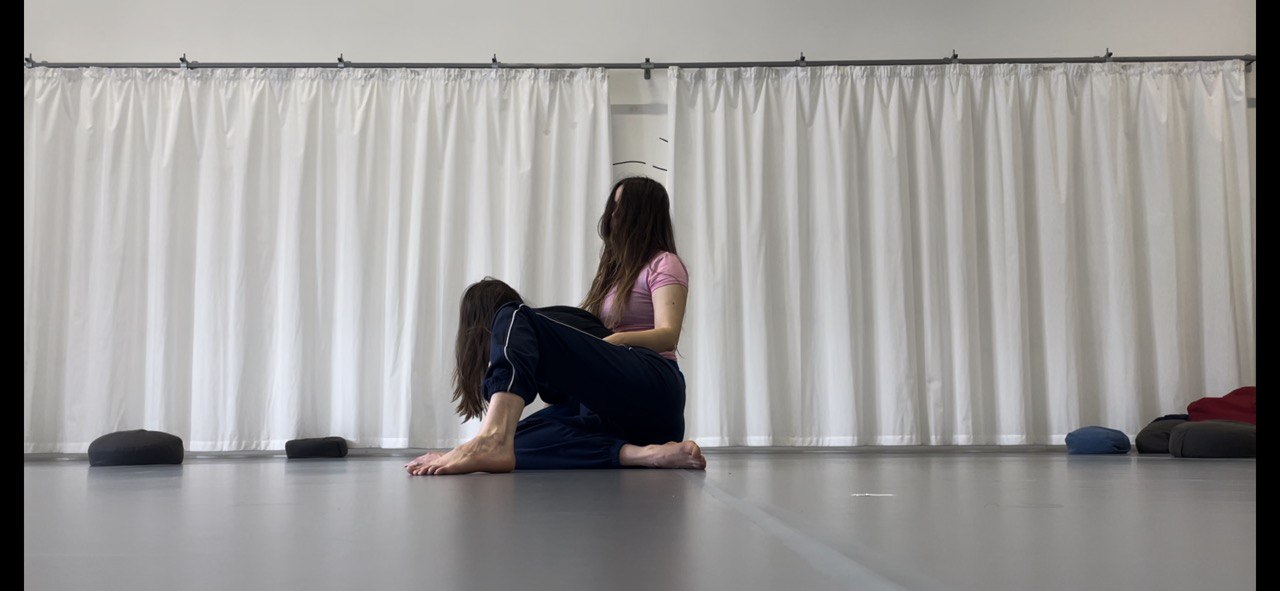
Do humans stand on two feet? Sometimes, maybe, some of them, if it is not too exhausting.
© Núria Carrillo Erra (paper maker: Daniel Puiggròs)The everyday is the place of change. The everyday is the place where everything stays the same.
A piece about Hong Kong that uses dance, poetry, language, and projection to portray the vibrant and dynamic spirit of the metropolis from Asia. >
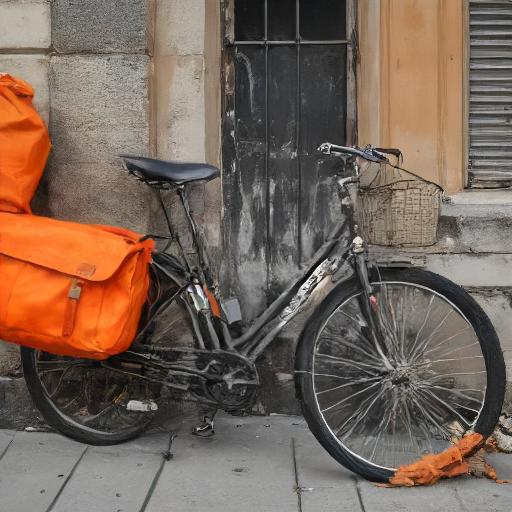
The research project explores the intersection of personal experience, colonialism, labor, and identity through the lens of a delivery worker in Berlin. >
Alejandro González
Then We Will Become Obsessed with the Idea of Losing Everything We Have Achieved
This is an invitation to a dinner in a private space. An excuse to gather people, to eat together, to offer our body, to call everything dance. >
A piece about Hong Kong that uses dance, poetry, language, and projection to portray the vibrant and dynamic spirit of the metropolis from Asia. >
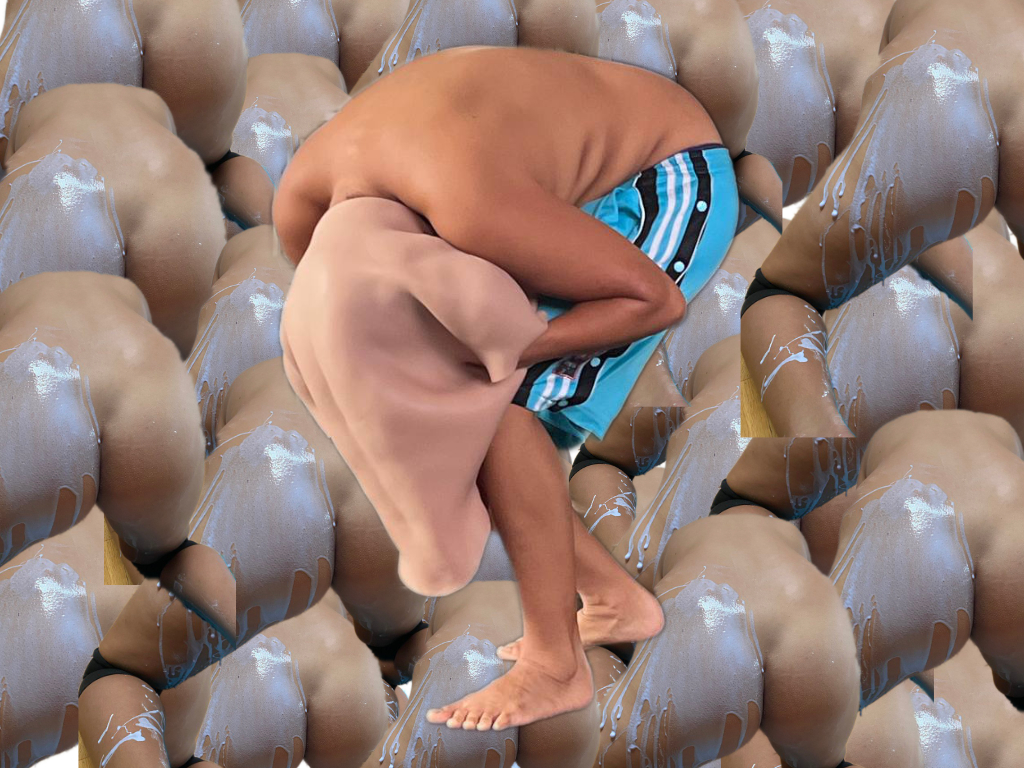
A constant transformation and enigma of a flesh body in a duo with a white silicone body, moving between pleasure, challenges, distortion and shedding. >
Alejandro González
Then We Will Become Obsessed with the Idea of Losing Everything We Have Achieved
This is an invitation to a dinner in a private space. An excuse to gather people, to eat together, to offer our body, to call everything dance. >
Motherlode
The Fools Journey
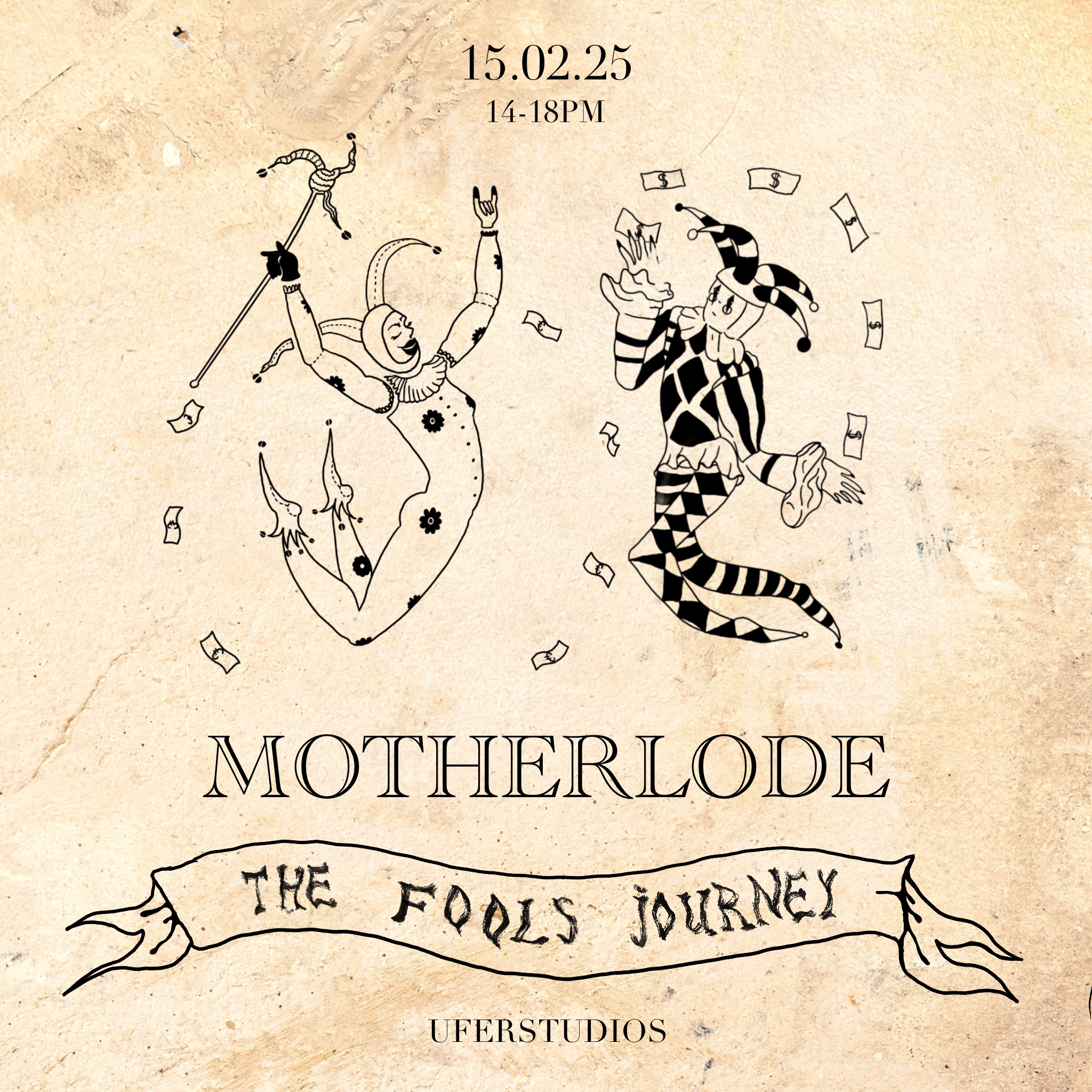
Students of the BA dance, context, choreography at HZT are inviting you to their annual foolery and to celebrate the body, dance and daring to dream even >
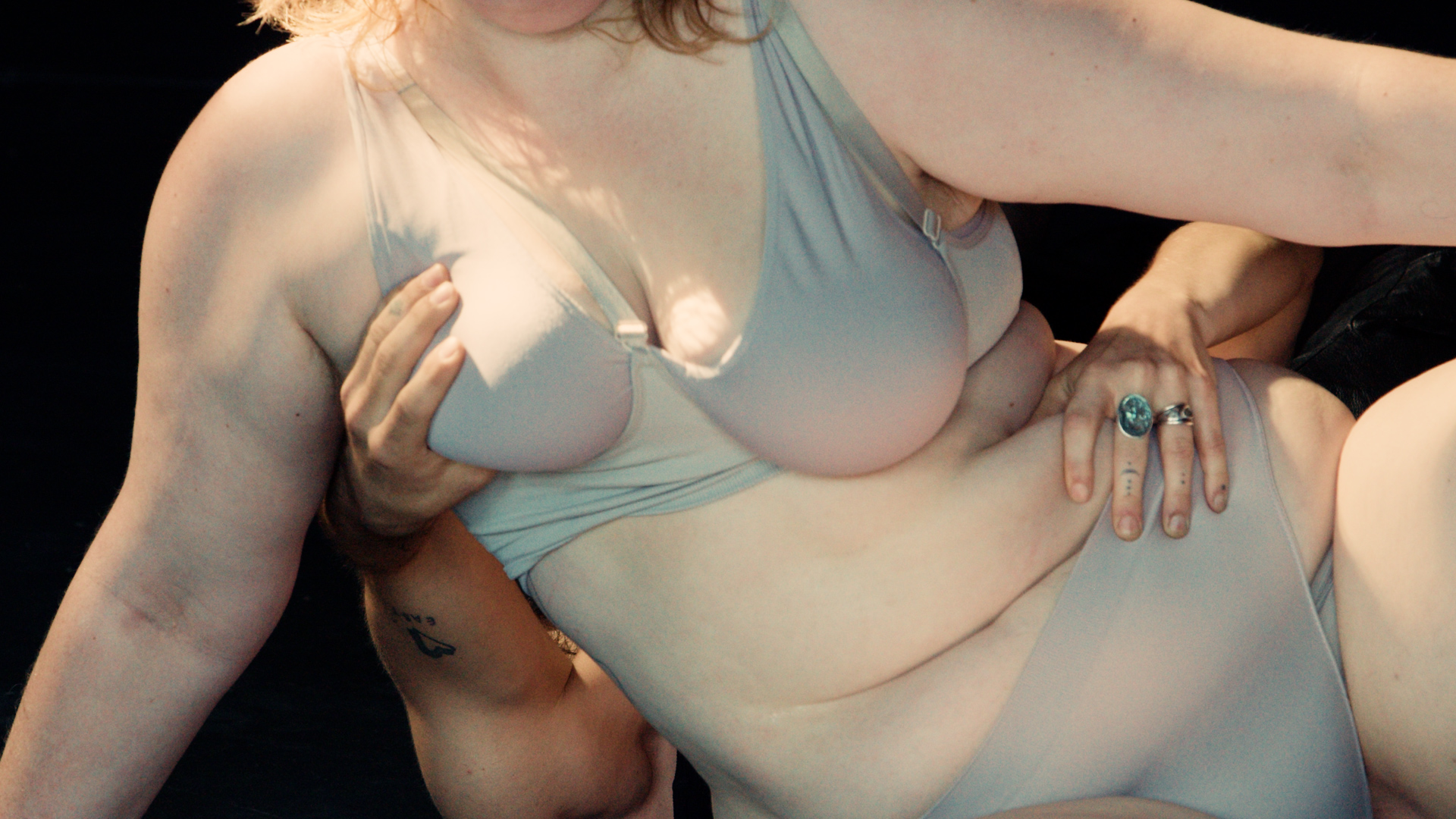
Fat bodies, fat moves. In ‘SPECK’, Frida Zack and Guests celebrate body fat with beats, sweat and boom. Against discriminatory body norms and for radical >
Fat bodies, fat moves. In ‘SPECK’, Frida Zack and Guests celebrate body fat with beats, sweat and boom. Against discriminatory body norms and for radical >
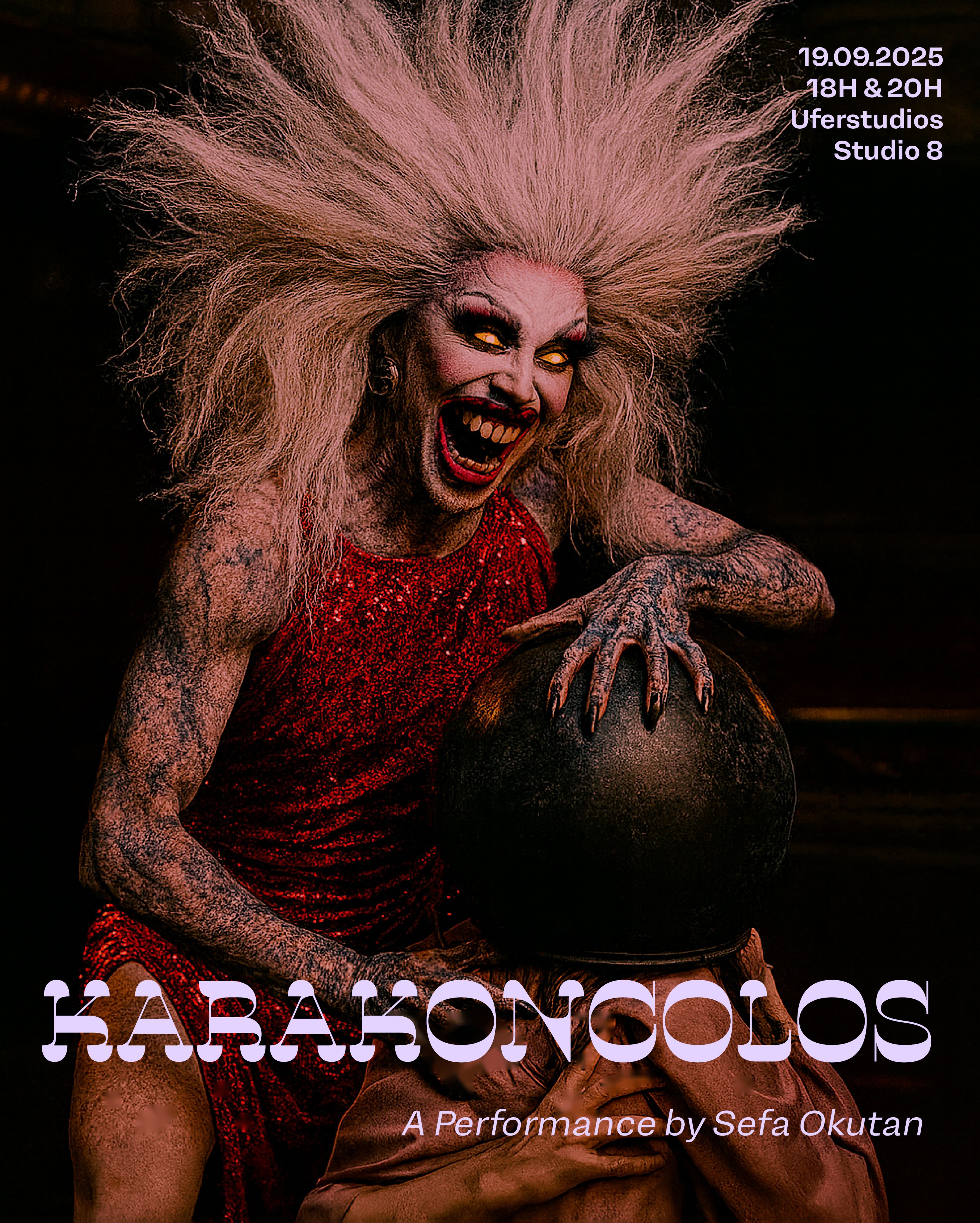
A shapeshifting solo: Karakoncolos. Rage meets joy, seduction meets audience. Rooted in Laz mythology it invites to be demonized together. >
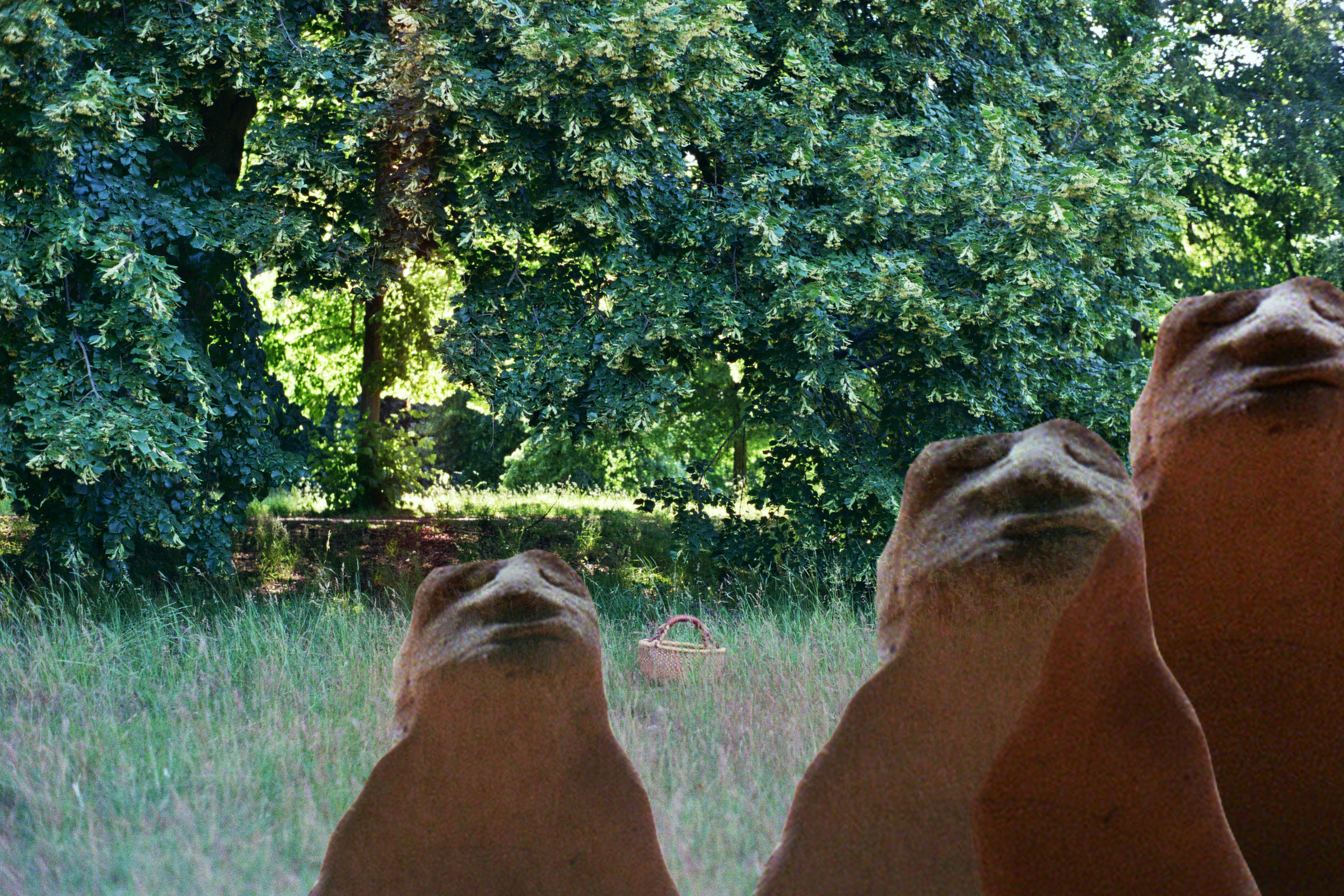
In the beginning there was a longing.
A shapeshifting solo: Karakoncolos. Rage meets joy, seduction meets audience. Rooted in Laz mythology it invites to be demonized together. >
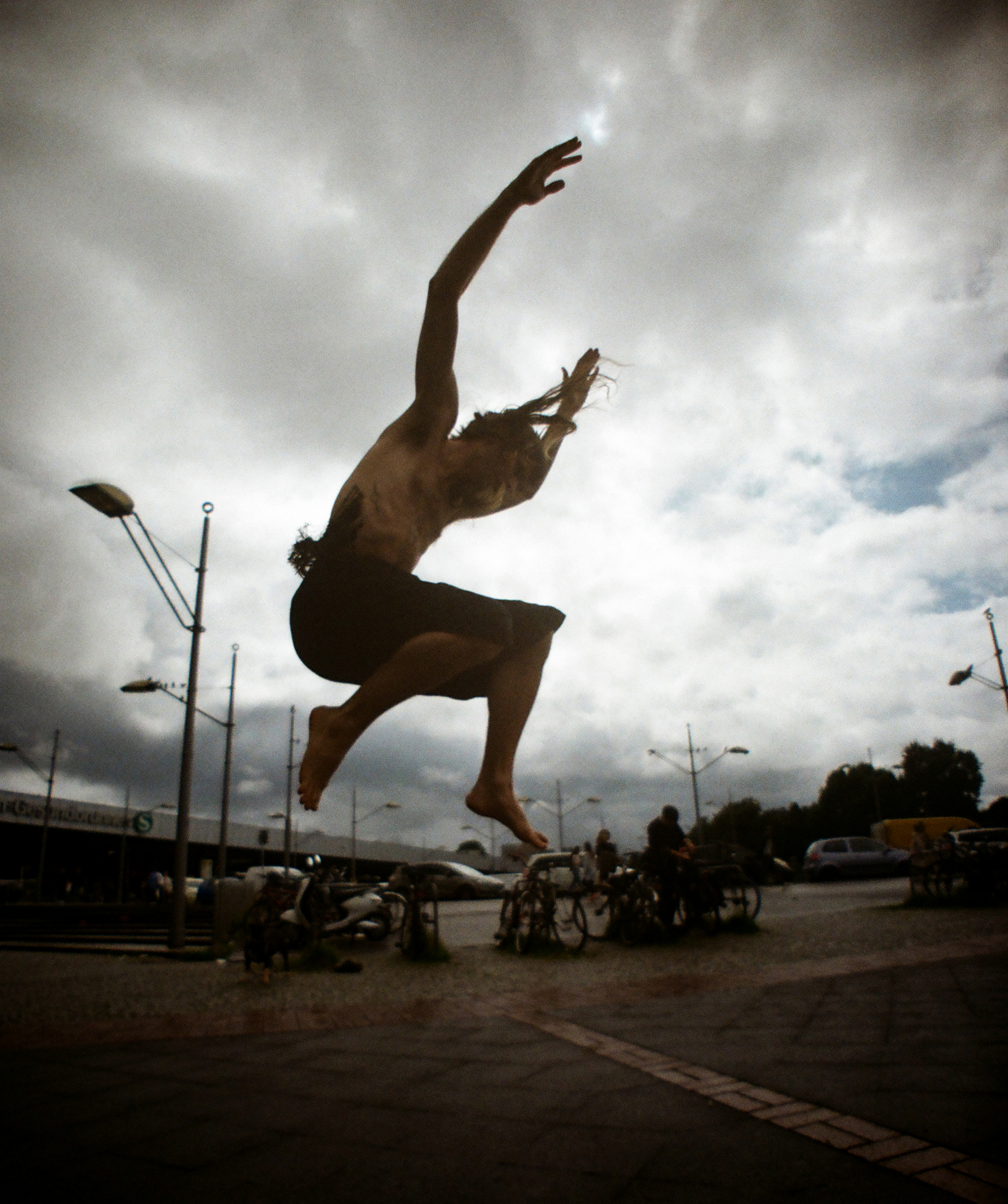
"I’m not comfortable at this party." Psycho-Buddha offers a subversive liturgy to sing, to scream, to share the passions and struggles of coming together, >
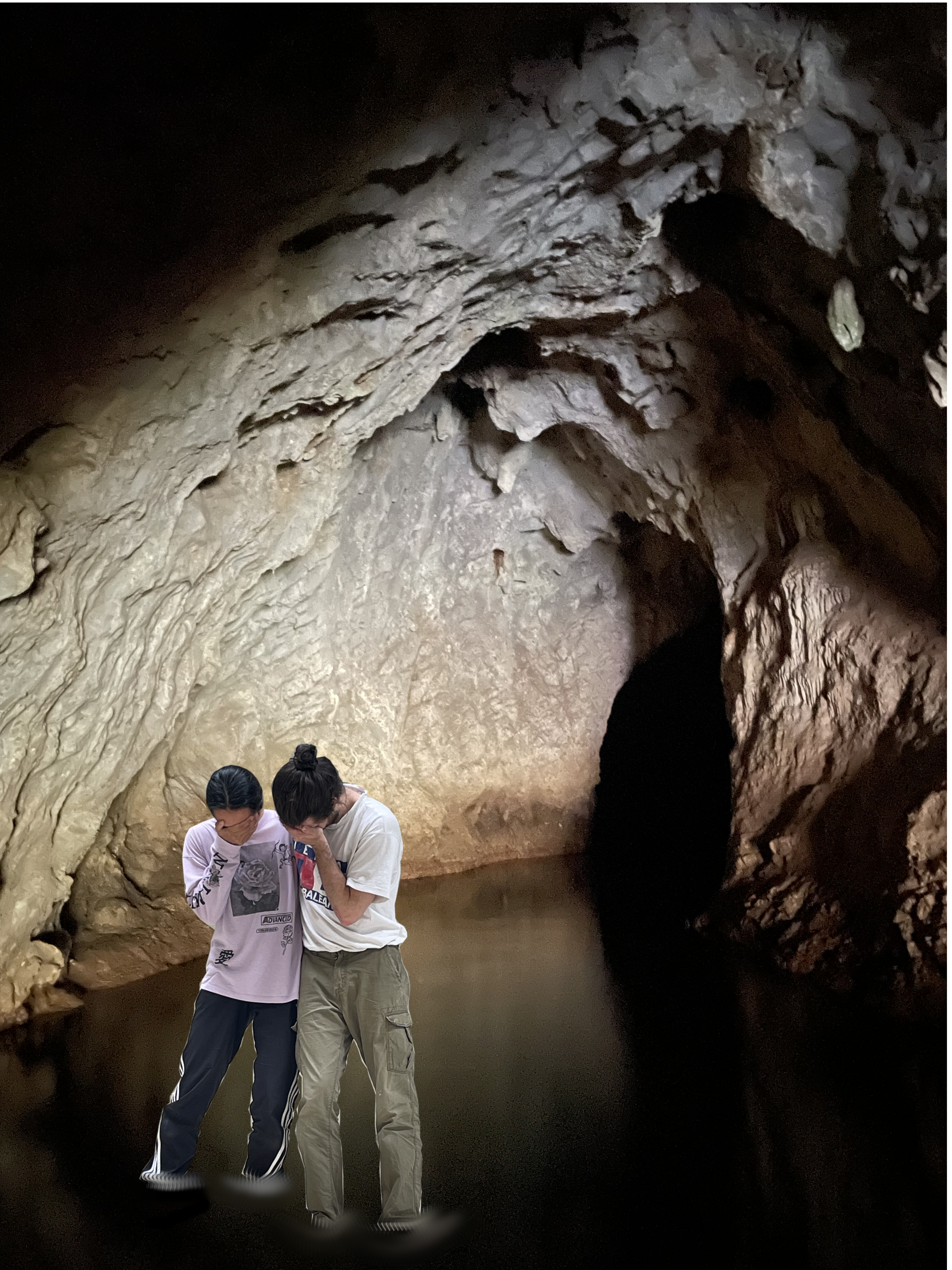
From twilight emerges a shifting body of many voices. A fragile, uncanny dance between merging, dissolving, and the yearning to connect. >
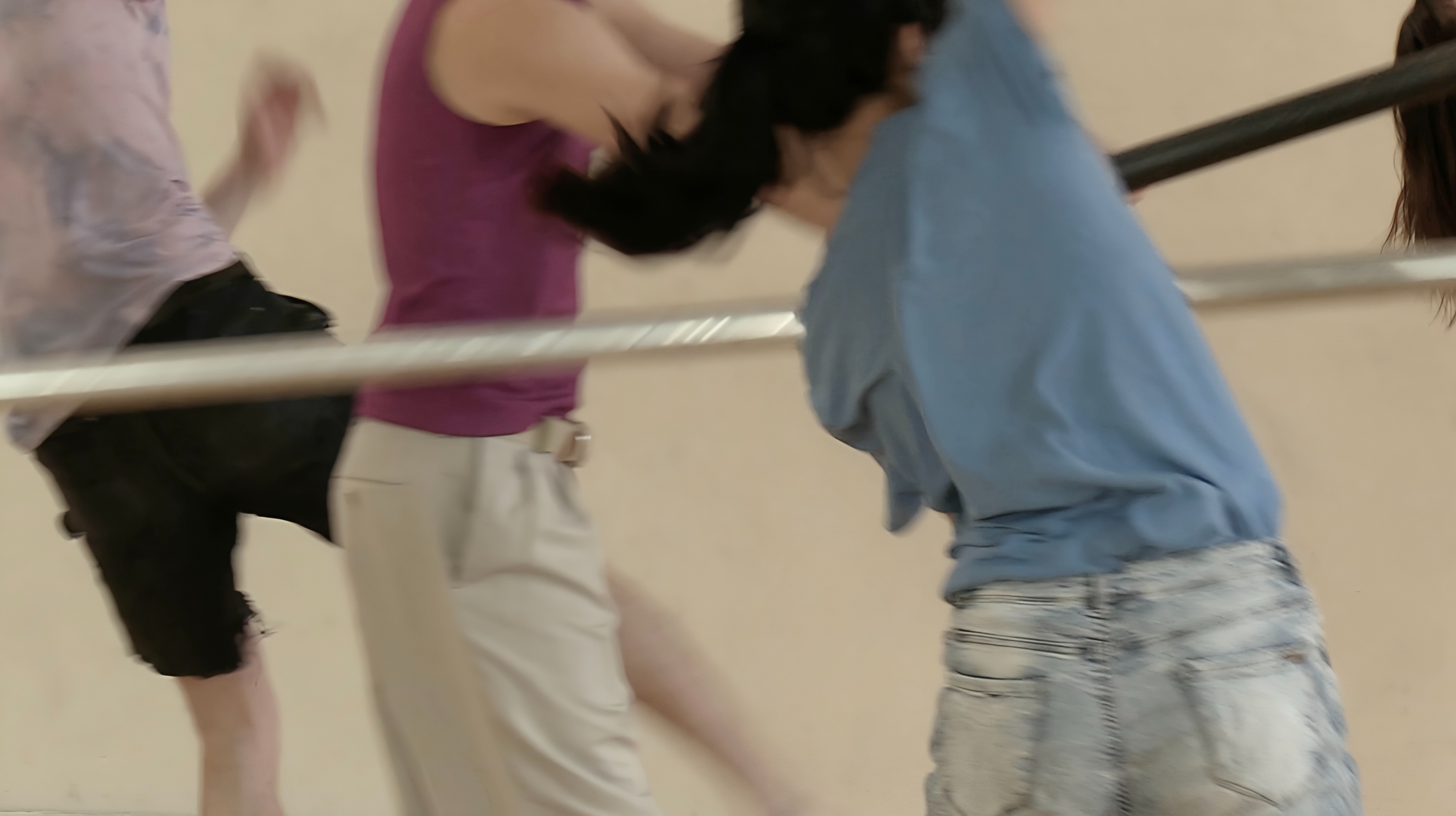
That liminal moment — right before the first hydrogen nuclei manage to fuse — the “almost” of starlife.
From twilight emerges a shifting body of many voices. A fragile, uncanny dance between merging, dissolving, and the yearning to connect. >
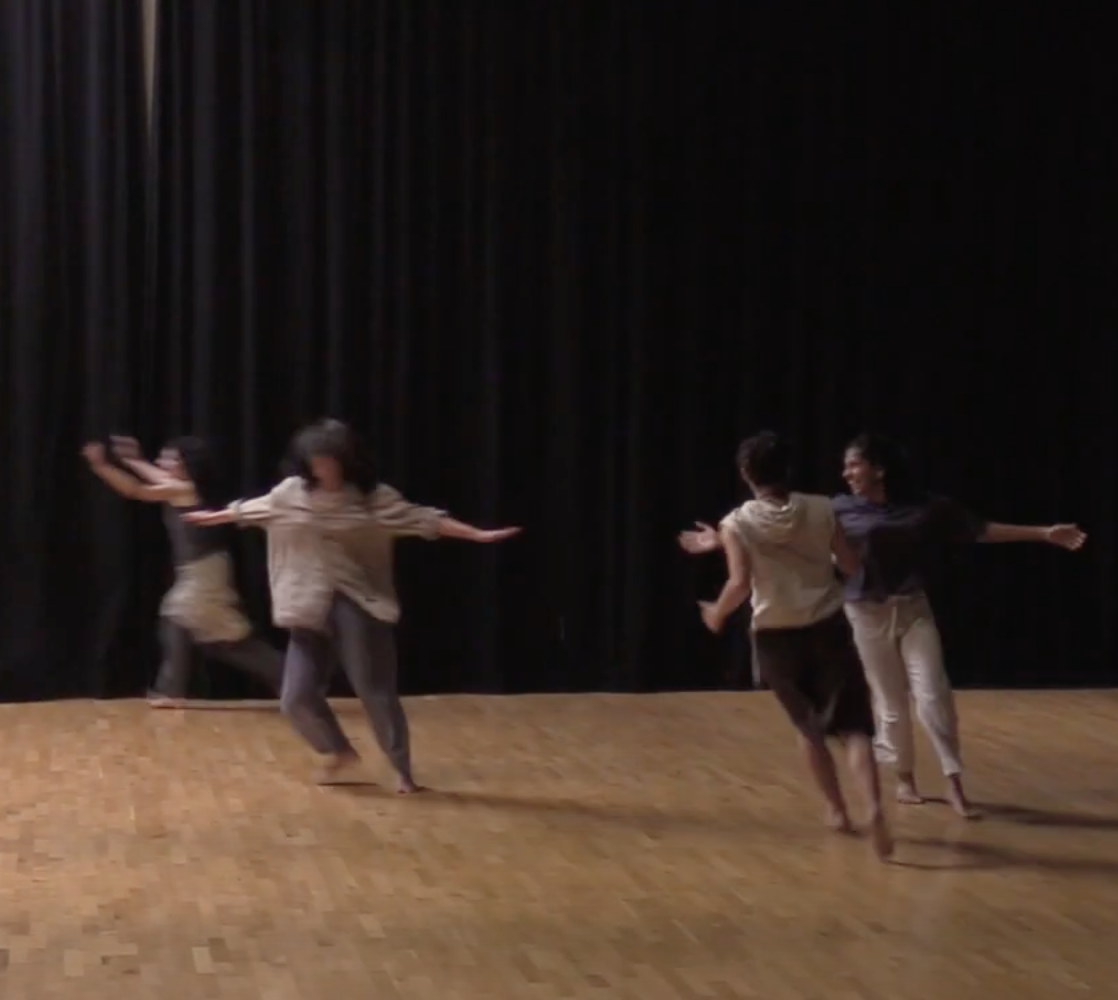
The bodies taken by turns and spins.The inner and outer tornadoes that might seperate us. Can we stay connected to each other? >
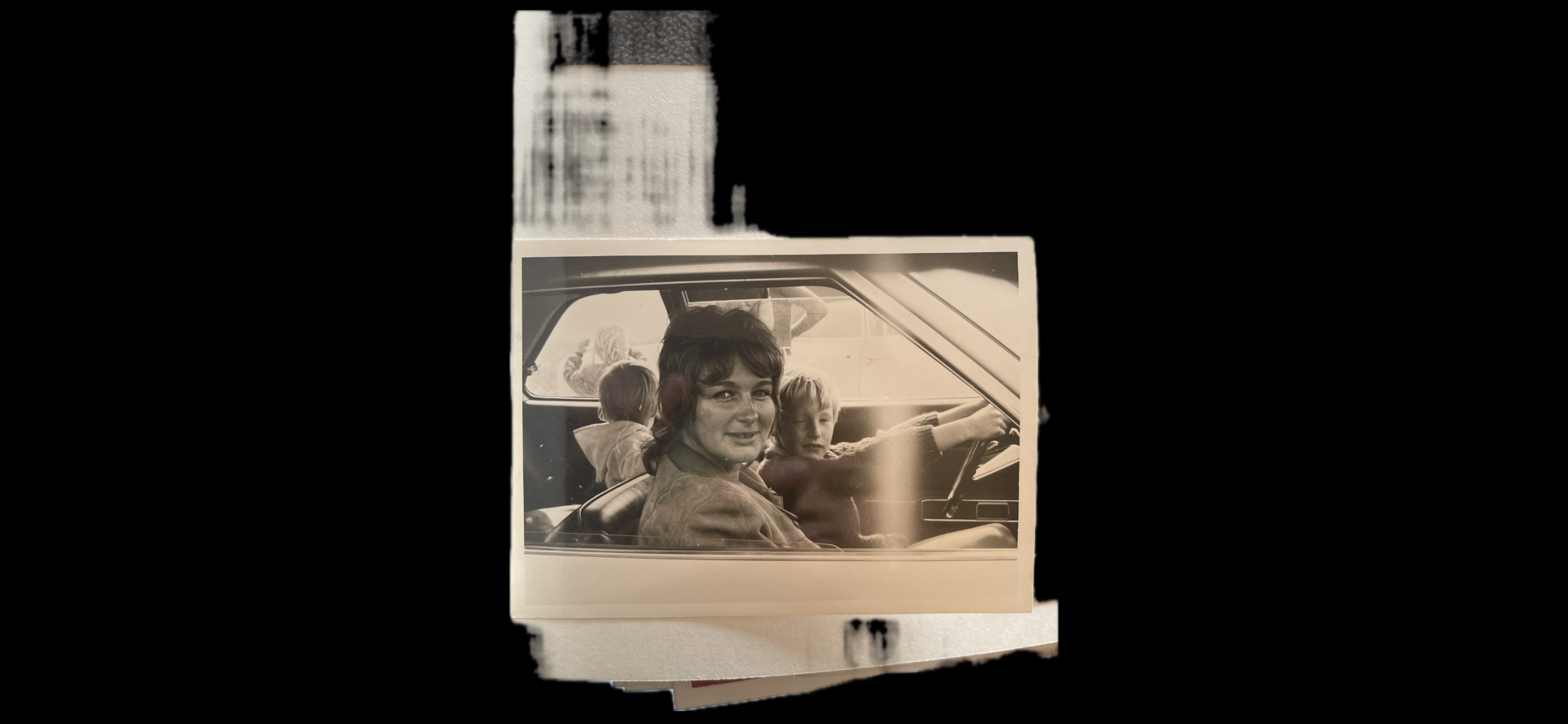
The trees sing a song, the river sings a melody, the water sings the truth, the witch sings.
The bodies taken by turns and spins.The inner and outer tornadoes that might seperate us. Can we stay connected to each other? >
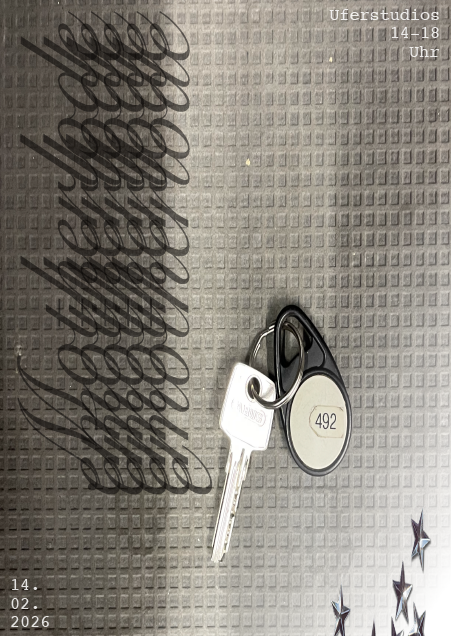
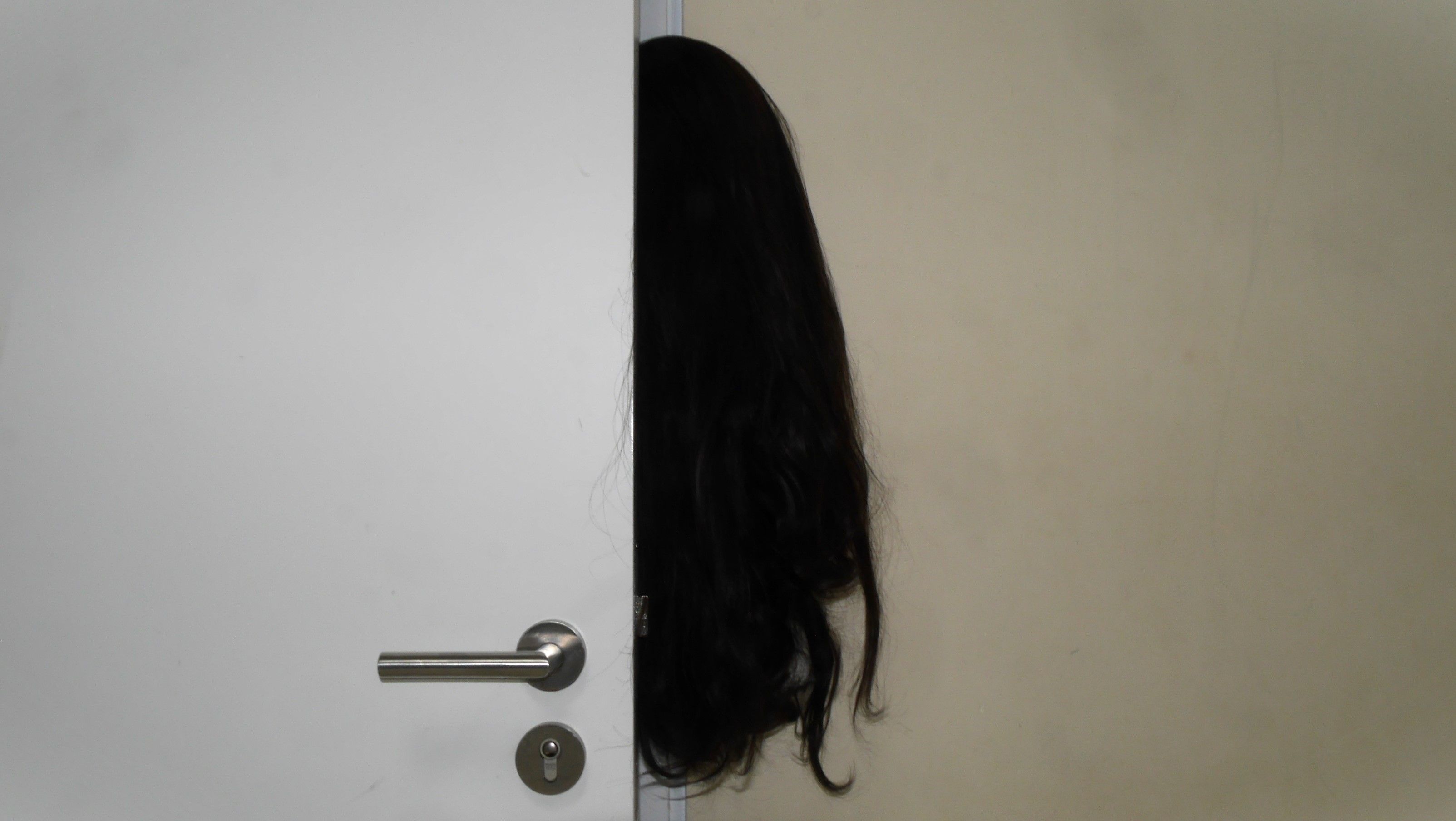
A creature appears. A choreographic solo inviting audiences into the uncertain space between dreaming and waking, where heightened attention shapes what >
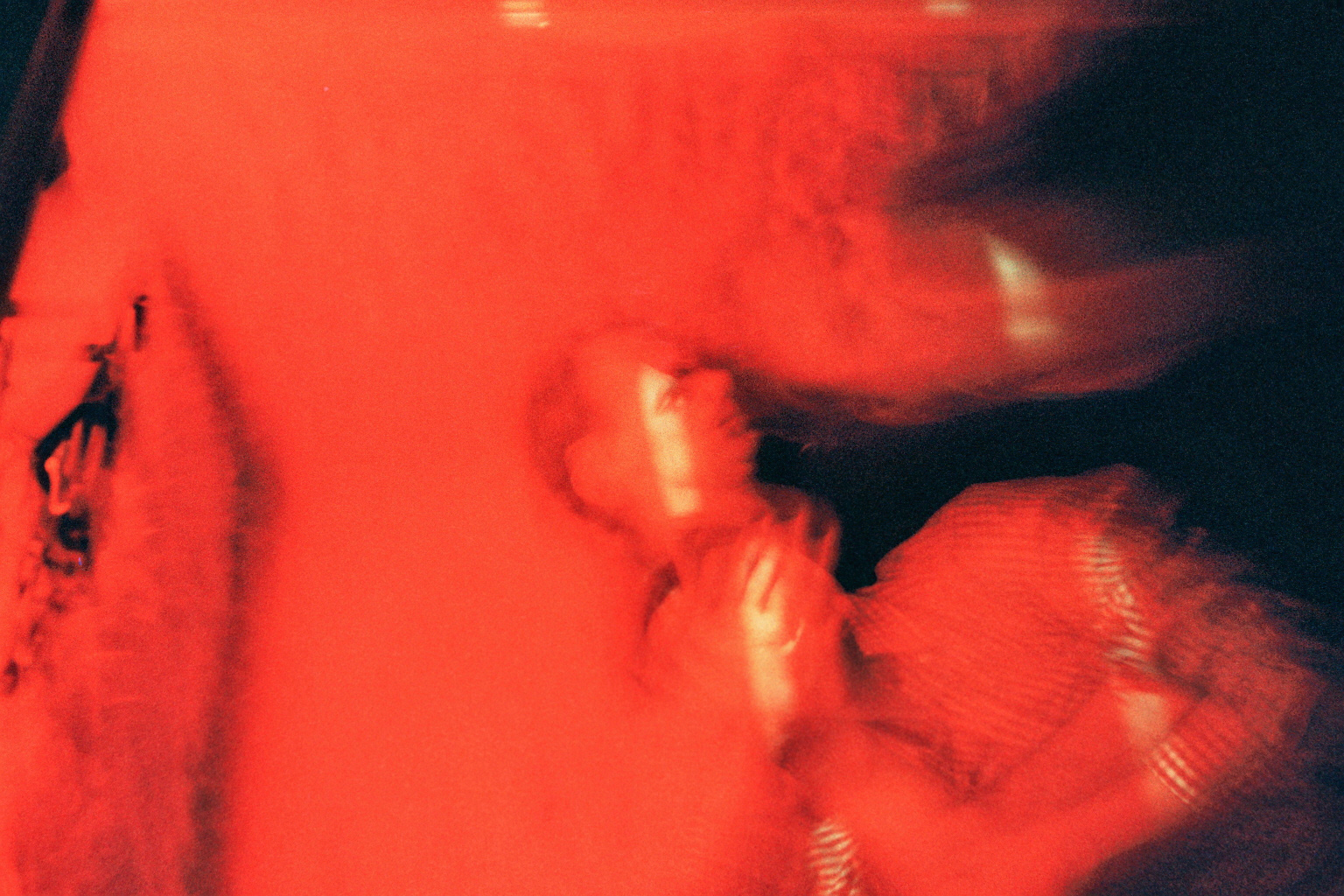
Three performers invite the unexpected and explore the fear that emerges through letting go and being together.
A creature appears. A choreographic solo inviting audiences into the uncertain space between dreaming and waking, where heightened attention shapes what >
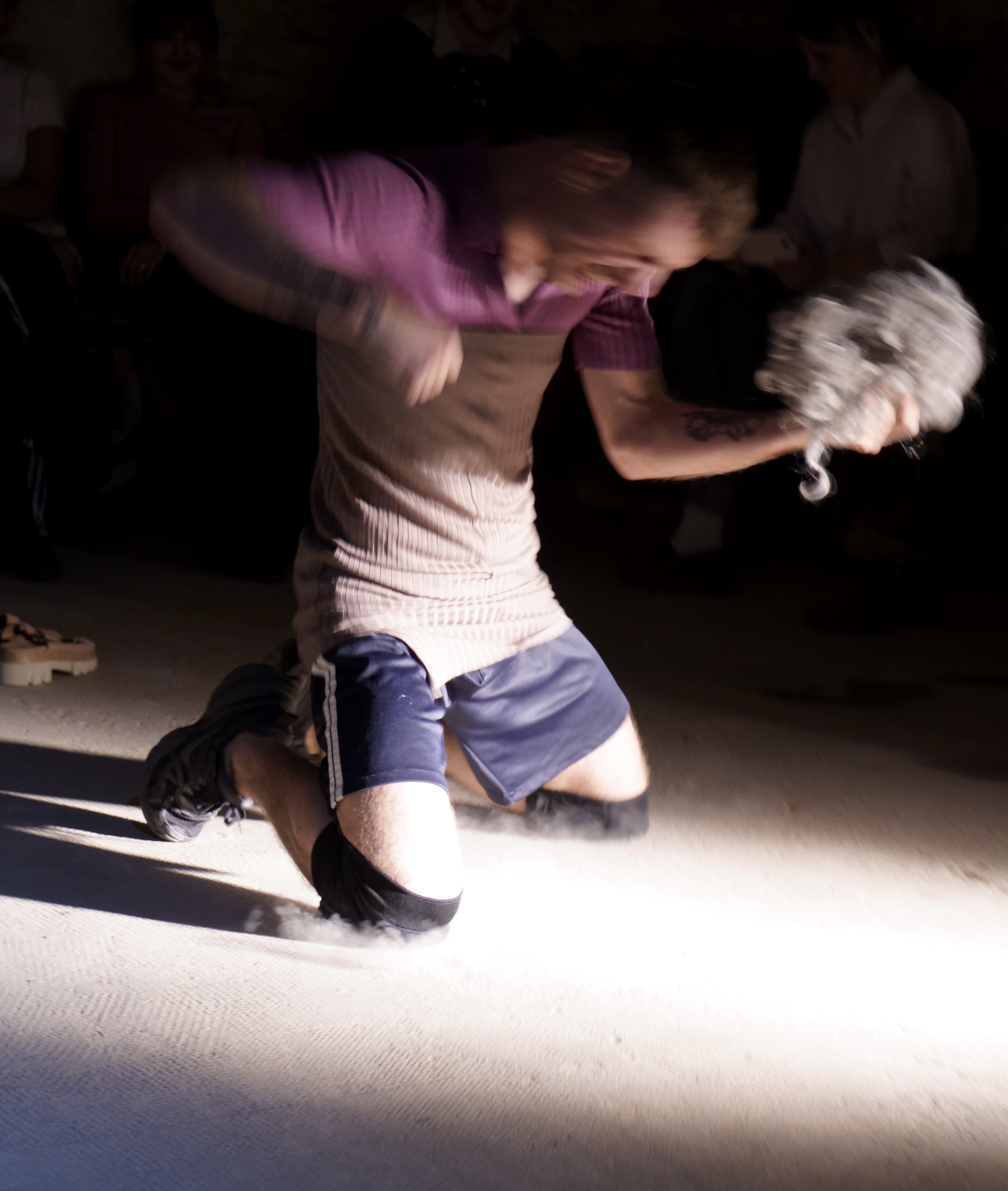
One thing unites them all - whether it’s an Ossi, an aunt, a dog, or a stone: each is complex, emotional, and carrying a personal burden. >
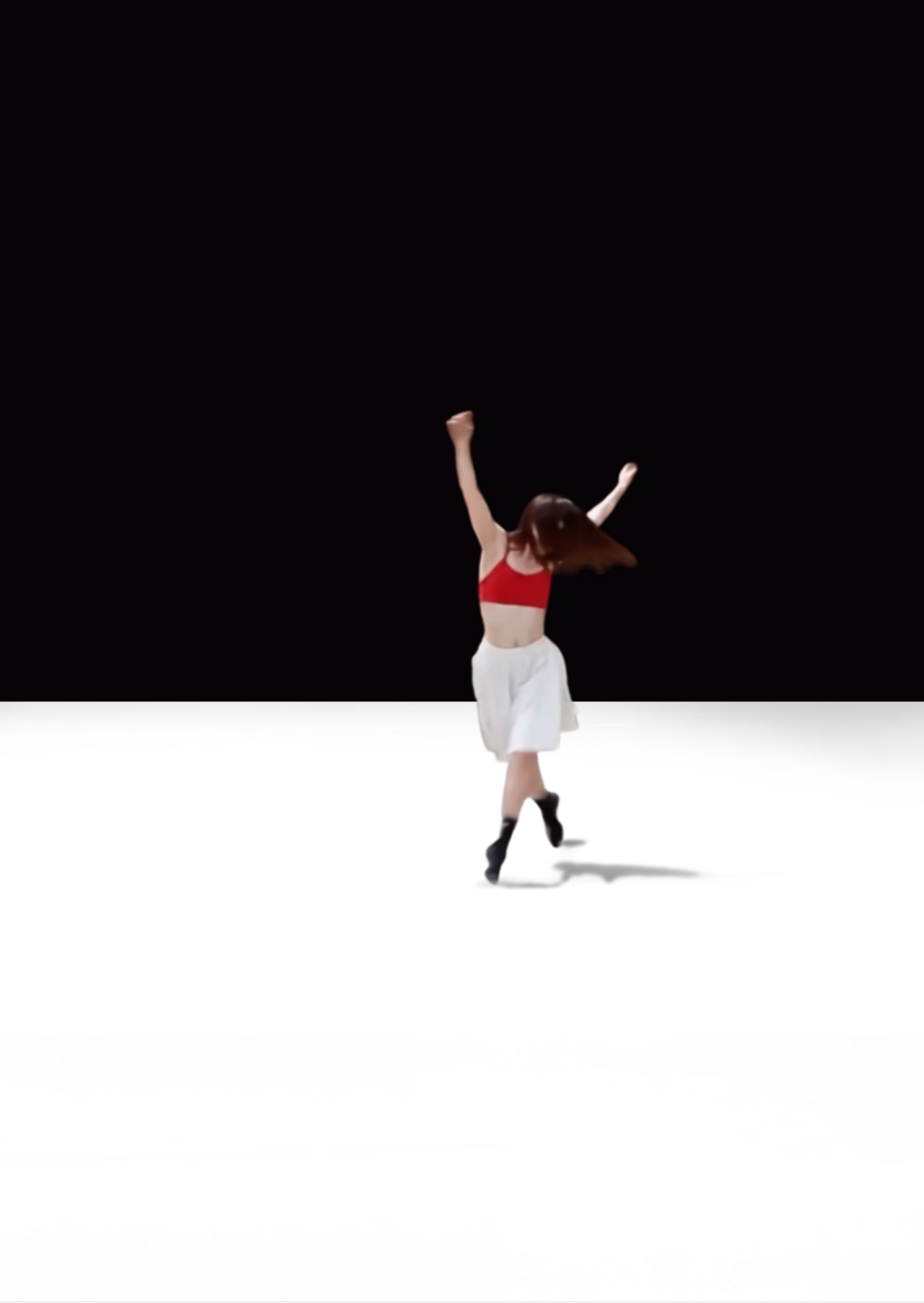
The audience arrives late to a party about to end. Grief and celebration meet in a body that is constantly transforming. >
One thing unites them all - whether it’s an Ossi, an aunt, a dog, or a stone: each is complex, emotional, and carrying a personal burden. >
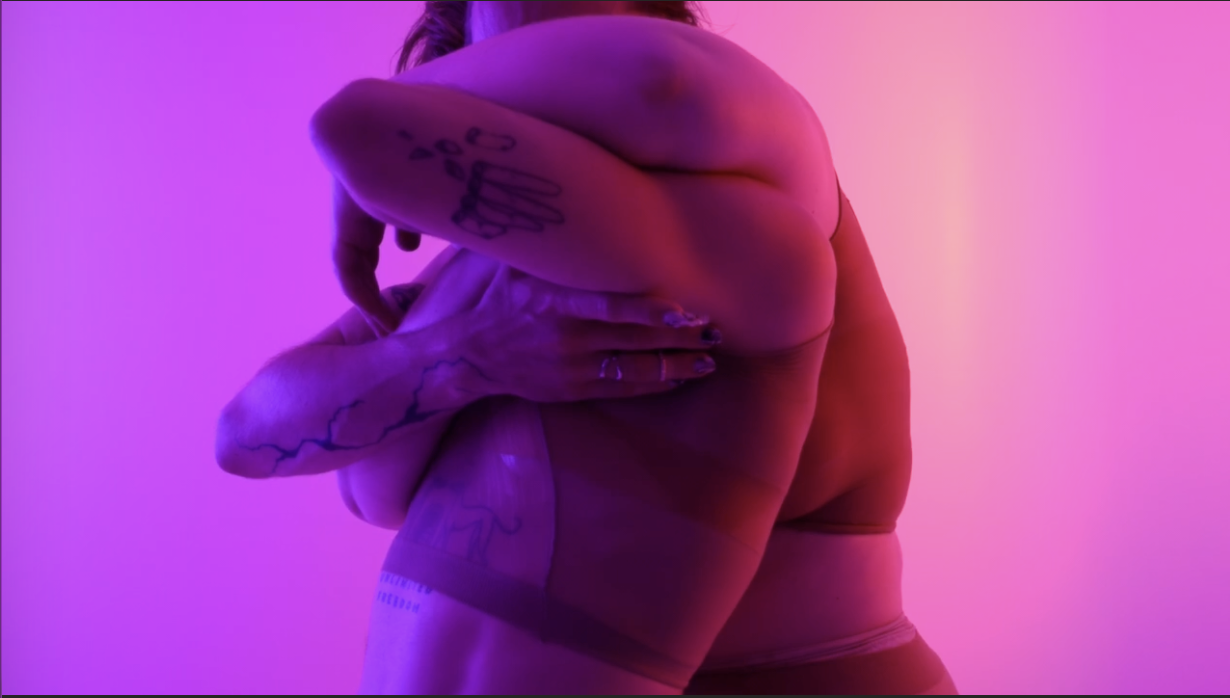 © [Translate to English:]
 The interdisciplinary dance performance explores queer femininity as a site of resistance, spirituality, and embodied knowledge. >
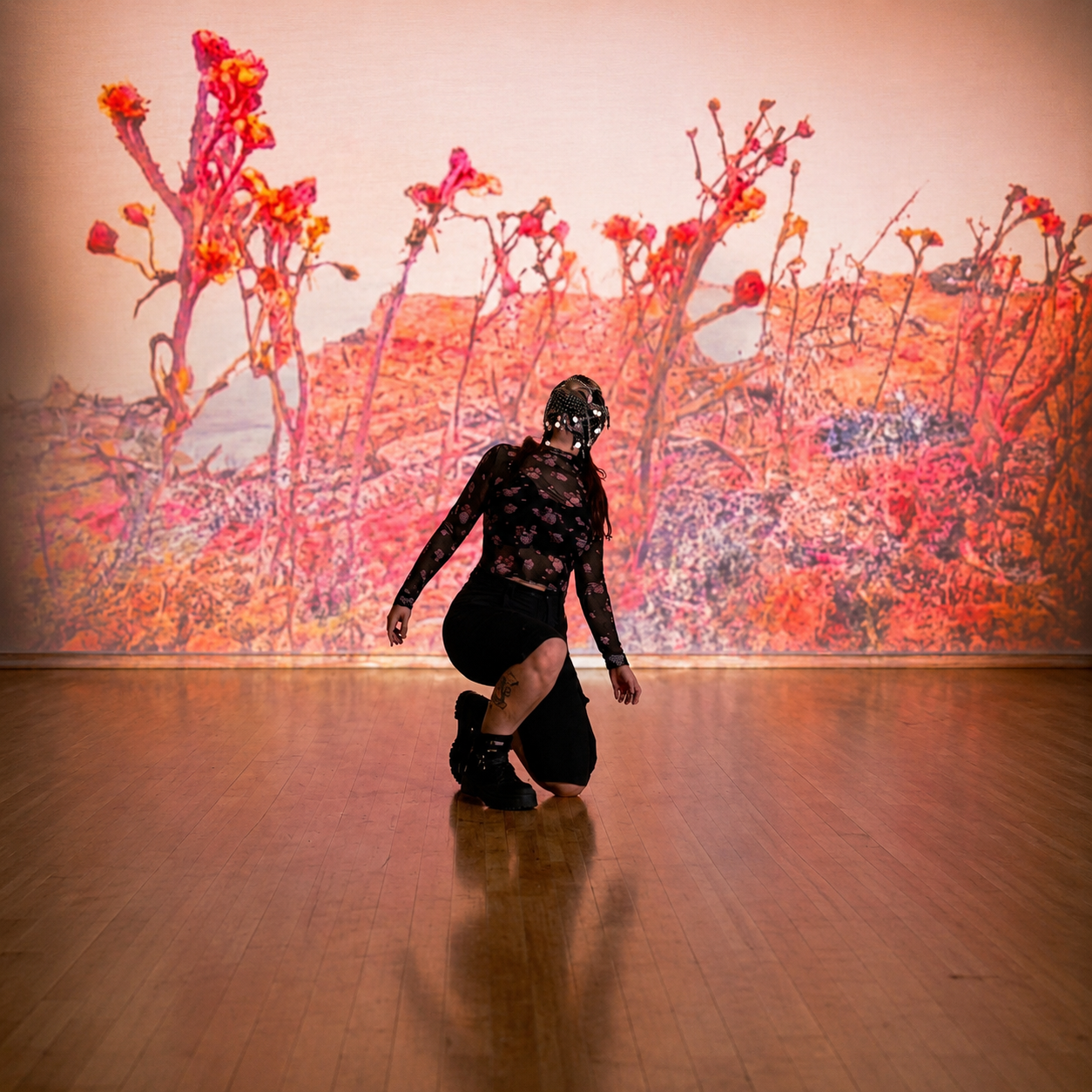
A body enters the threshold between ritual and rave, carrying histories, fractures, and the possibility of becoming otherwise. >
© [Translate to English:] The interdisciplinary dance performance explores queer femininity as a site of resistance, spirituality, and embodied knowledge. >
A devoted worker. A vandalized statue. A psychedelic artist. A junkie. A public square. A place to sit and chat - or shout, if you like. Social climbing or >
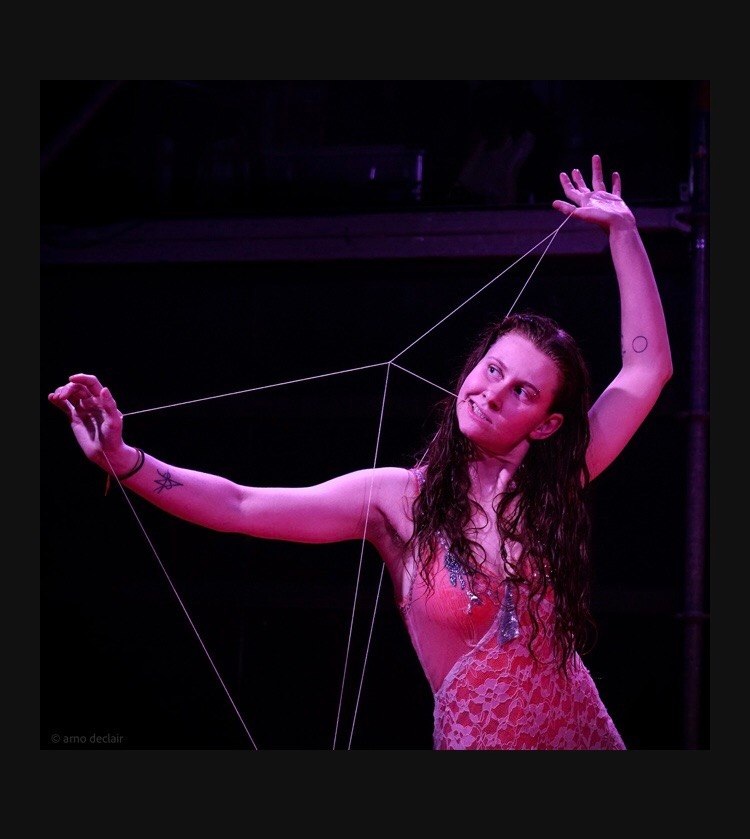
The solo work 'au clair de lune' takes us on a visceral journey exploring the relating to femininity, in a performance that transcends linear rationality. >
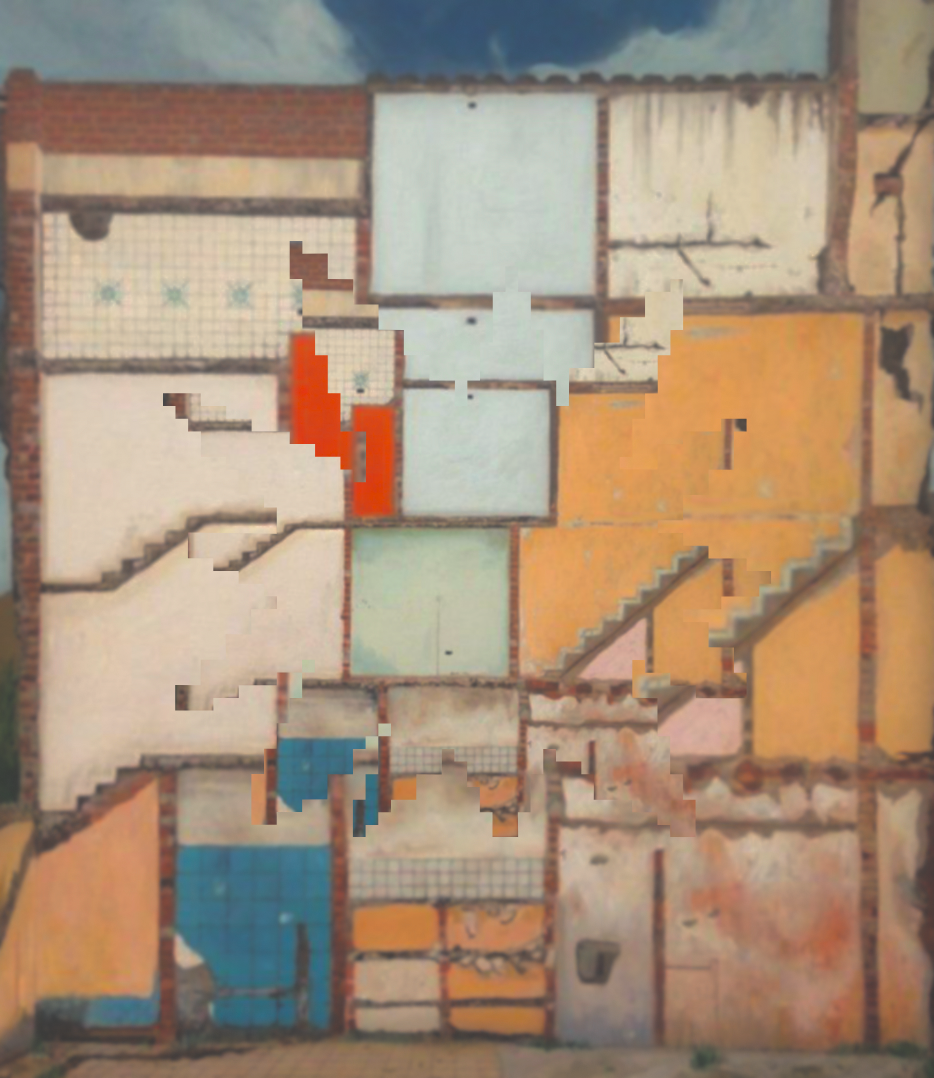
Pasos de Patio (AT) is a duet that explores the fictionality of nostalgia in our memory as a form of guilty pleasure and choreographic tool. >
The solo work 'au clair de lune' takes us on a visceral journey exploring the relating to femininity, in a performance that transcends linear rationality. >
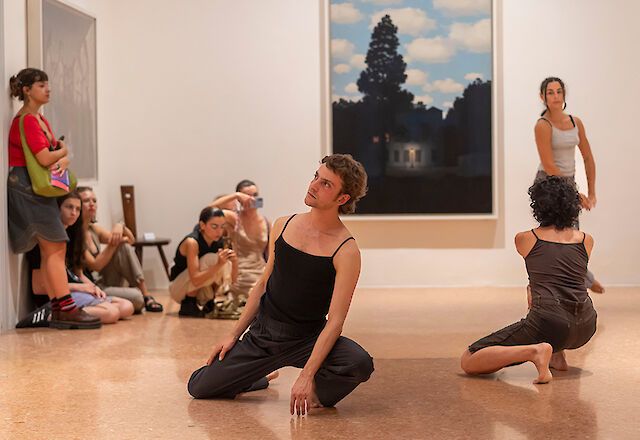
Passacaglia is a duet that dwells into the tension between violence and spectacle, constraint and pleasure.

An improvisation game played between sound, silence, movement, and stillness cuts into the present, opening temporal cracks through which other dimensions >
Passacaglia is a duet that dwells into the tension between violence and spectacle, constraint and pleasure.
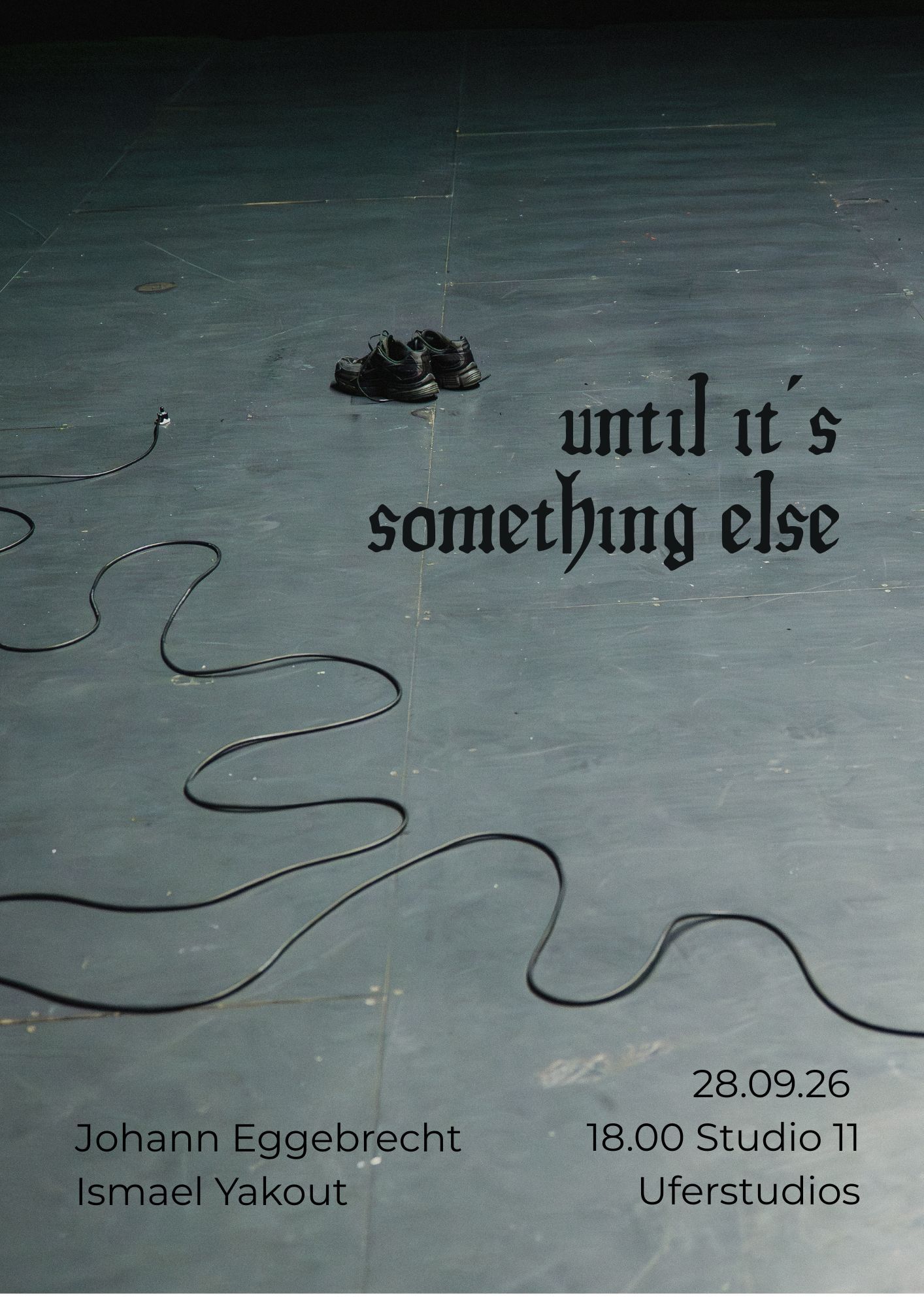
It lives between routine and ritual, energetic labour and dance language, joy and bad trip — the tender discipline of repeating one thing until it stops >